

The “BMW AA-0079 Determination of Stone Impact Resistance Using Multiple Impact Methods” standard, developed by BMW, a multinational vehicle manufacturer, describes a test method designed to simulate the resistance of paint or other coatings to stone impacts.
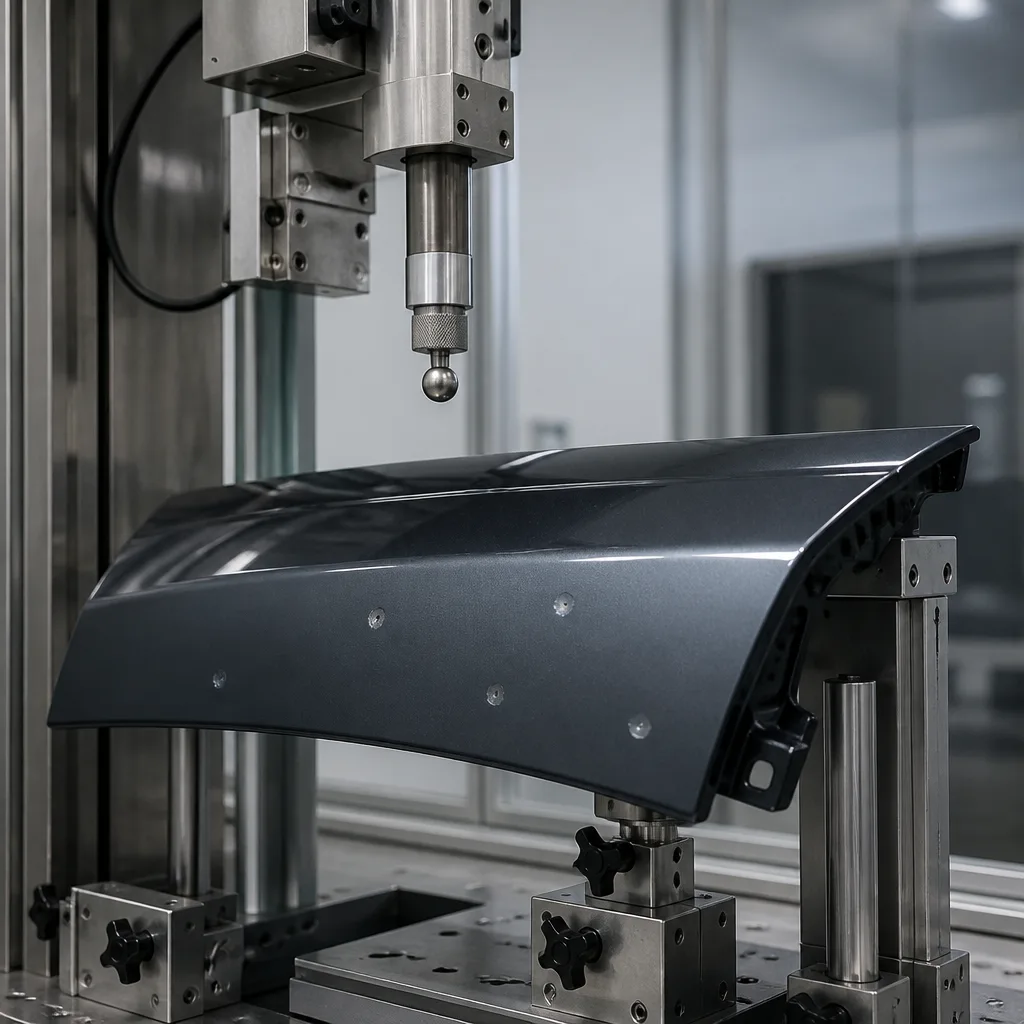
Stone impact is damage caused by stones, gravel, and hard road particles thrown up by tires or other vehicles hitting the vehicle's surface at high speed during driving. These impacts not only create an aesthetic problem but can also cause corrosion, coating deterioration, and reduced part lifespan over time. The main effects of stone impact on a vehicle are as follows:
The BMW AA-0079 standard is an engineering standard that specifies a multi-impact stone chip resistance test used to evaluate the durability of painted and coated automotive components. This standard primarily applies to exterior vehicle parts exposed to gravel, road debris, and other impact hazards encountered during normal driving.
Stone chips are one of the most common causes of cosmetic and functional damage to automotive coatings. Even small cracks can expose the underlying surface to moisture, road salt, and corrosive chemicals, leading to premature corrosion and deterioration of the vehicle's appearance. The BMW AA-0079 standard establishes a repeatable laboratory procedure to assess how well coatings withstand these impacts before production approval.
The primary purpose of the BMW AA-0079 standard is to determine the resistance of painted surfaces to repeated impacts from hard particles simulating stones ejected from vehicle tires. This standard helps engineers in the following areas:
The BMW AA-0079 standard generally evaluates the following components:
This standard can be used to evaluate both metallic and plastic surfaces.
In principle, the BMW AA-0079 standard uses a multiple-impact stone chip test in which numerous hard particles are hurled at the coated test specimen under controlled conditions. Unlike a single-impact test, this procedure closely simulates real-world driving on gravel roads or highways by subjecting the coating to a large number of impacts in a short period of time. This assessment determines the following:
Published laboratory results show that the test used 4-5 mm chilled cast iron granules as the impact medium and evaluated coating damage according to defined acceptance criteria.
This testing method generally follows these steps:
This procedure emphasizes reproducibility so that different laboratories can obtain comparable results.
After testing, engineers typically assess the following types of damage:
Photographic comparison standards or numerical rating systems are generally used to classify the severity of damage.
Stone crack resistance is important. Road debris can strike a vehicle at high speed, especially in the following situations:
Repeated impacts gradually weaken protective coatings. Low rock crack resistance can lead to:
The BMW AA-0079 standard helps ensure that manufactured coatings provide adequate protection for the entire lifespan of the vehicle.
The BMW AA-0079 standard is specific to BMW, but similar stone chip resistance tests are widely used in the automotive industry by the following manufacturers:
International standards such as “ISO 20567-1 Paints and varnishes - Determination of stone impact resistance of coatings - Part 1: Multiple impact test” also define multiple impact methods for evaluating the stone impact resistance of coatings and are generally used in conjunction with manufacturer-specific requirements.
The advantages provided by the BMW AA-0079 standard are as follows:
BMW engineers use the AA-0079 standard in the following situations:
In conclusion, the BMW AA-0079 standard is a key BMW internal testing standard used to evaluate the resistance of automotive coatings to multiple impact stone chips. This standard allows engineers to assess coating durability, compare material performance, and verify supplier compatibility by reproducing the effects of repeated gravel and road debris impacts under controlled laboratory conditions. The described method is closely aligned with internationally accepted multiple impact stone chip testing practices and demonstrates its crucial role in ensuring the long-term durability, corrosion resistance, and aesthetic quality of BMW exterior components.
For many years, our organization, with its competent and experienced staff, has been understanding the needs of its customers, providing the advanced testing services they require, and assisting them in the establishment, implementation, and improvement of management systems. Within this framework, we also provide testing services in accordance with the BMW AA-0079 standard.
To get an appointment, to get more detailed information or to request an evaluation, you can ask us to fill in our form and reach you.

