Determining the Multi-Impact Stone Chip Resistance of the BMW AAP 192
Developed by BMW, a multinational vehicle manufacturer, the “BMW AAP 192 Multi-impact stone chip resistance determination” standard is part of BMW’s internal specification series that focuses on material and surface performance testing, especially for exterior components exposed to environmental stresses.
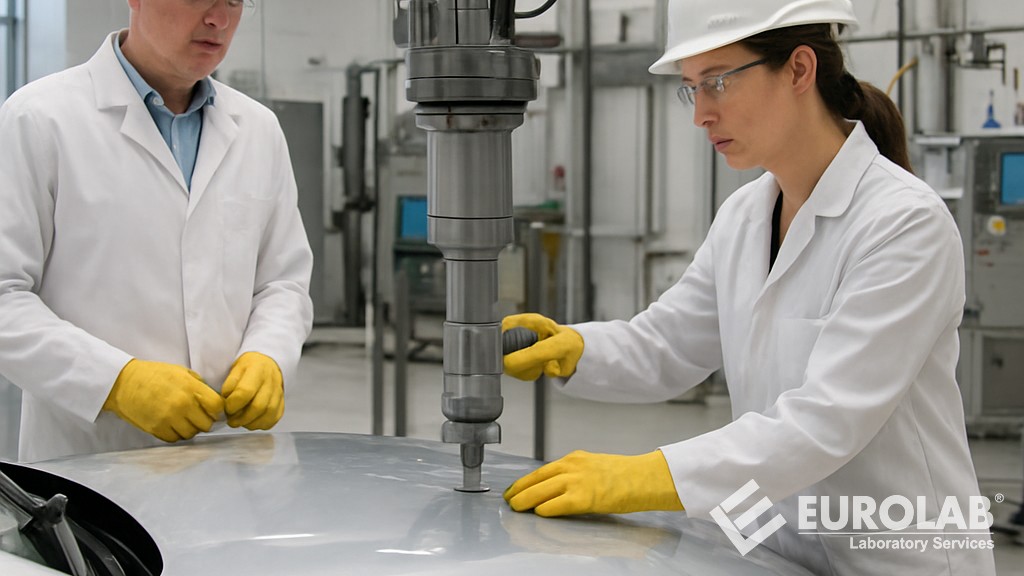
The BMW AAP 192 standard evaluates how well painted or coated surfaces (e.g., vehicle body panels, bumpers, or cladding) withstand repeated impacts from small stones or pebbles thrown up by traffic. These impacts are particularly common on roads at high speeds. This test simulates real-world driving conditions where road debris strikes the lower body areas of the vehicle (e.g., side skirts, wheel arches, bonnet edges, or front bumpers).
According to this standard, multiple pulses are applied to evaluate the following:
- Extent of damage (peeling, cracking, or separation of the coating).
- Resistance to corrosion initiation when the substrate (usually metal) is exposed.
- Overall durability of multi-layer paint systems (primer, base coat, clear coat).
This is a multi-impact variant involving repeated projectile pulses instead of a single impact (the single-impact version is covered under the BMW AAP 193 standard).
Accredited testing laboratories typically describe this testing method as based on industry norms, or as a similar gravel gauge style or multi-shot stone particle test:
- SAE J400 Surface coating chip resistance test
- ISO 20567 Paints and varnishes - Determination of the stone chip resistance of coatings.
- VDA 621-427 Ensuring stone impact resistance in automotive coatings.
A typical setup includes the following:
- The test panel involves launching standardized gravel or steel ball particles at controlled speeds (typically 50-70 km/h or higher).
- Multiple pulses in a specific pattern or quantity.
- Post-impact assessment can be done through visual inspection, tape adhesion tests (to check for flaking), or measurement of the number/size of pieces.
- Sometimes, it is combined with subsequent corrosion exposure (e.g., salt spray) to assess undercutting or rust spread.
Stone impact resistance is critical for:
- Long-term aesthetics (preventing visible damage).
- Corrosion protection (stones that come into contact with bare metal can cause rust).
- Warranty and quality requirements: Like other premium manufacturers, BMW sets strict limits for acceptable stone chip performance in coatings from approved suppliers.
Other BMW standards related to this standard are as follows:
- BMW AAP 187 Saltwater exposure and multiple stone impact test.
- BMW AAP 193 Single Impact Test
- BMW AAP 194 Chemical resistance test of surfaces.
In short, the BMW AAP 192 standard ensures that parts meet durability expectations for high-end vehicles subjected to demanding road conditions. This standard is essential because it directly addresses one of the most frequent and damaging real-world stresses on a vehicle's exterior: repeated impacts from road debris such as gravel, stones, and small particles blown around at high speeds.
The main reasons why this standard is considered important are as follows:
- Real-world durability in everyday driving: Vehicles frequently encounter flying gravel, especially on highways, unpaved roads, or while traveling at high speeds. Underbody areas (front bumper, hood edges, side skirts, wheel arches) are particularly vulnerable. Without strong multi-impact resistance, the paint easily cracks, leading to visible damage that owners quickly notice.
- Corrosion prevention: A stone impact that punctures the clear coating, base coat, and primer, exposing bare metal (typically steel or aluminum), creates a starting point for rusting. In areas where road salt is used in winter or in humid climates, exposed metal corrodes rapidly. Multiple stone impact tests, such as this standard, ensure the coating system (especially the primer layers) absorbs and dissipates the impact energy, minimizing substrate exposure and preventing the spread of corrosion.
- Customer satisfaction and brand reputation: Owners of luxury vehicles like BMW expect flawless paint and minimal maintenance to prevent cosmetic issues. Visible scratches lead to complaints, warranty claims, and negative perceptions. By implementing rigorous multi-impact performance through this standard, suppliers are required to offer coatings that preserve aesthetics and protect the vehicle under normal and demanding use, thereby reducing dissatisfaction and costly repairs.
- Supplier quality control and consistency: BMW sources its paints, primers, and clear coatings from approved suppliers worldwide. This standard provides a standardized, repeatable laboratory method for qualifying materials and processes before production approval. It simulates thousands of impacts in a controlled manner (typically using gravel gauges or compressed air blasting systems), allowing for objective comparison and rejection of substandard formulations.
In conclusion, the BMW AAP 192 standard is not just a requirement, but a critical engineering assurance for delivering vehicles that look great, are resistant to environmental degradation, and can withstand real driving conditions without premature paint failure. This protects both the customer's investment and BMW's promise of superior durability.
For many years, our organization, with its competent and experienced staff, has been understanding the needs of its customers, providing the advanced testing services they require, and assisting in the establishment, implementation, and improvement of management systems. Within this framework, we also provide testing services to businesses in accordance with the "BMW AAP 192 Multi-impact stone chip resistance determination" standard.



