

The “DBL 5471 Supply Specification for Interior Trim Panels and Molded Filling Parts” standard, developed by Daimler, the owner of the Mercedes-Benz brand, describes the requirements, test methods, and quality criteria for trim panels, molded filling parts, and similar composite components used in vehicle interiors. This standard applies to composite parts (also called composite components or molded filling parts) that are part of the interior trim of Mercedes-Benz vehicles. These include:
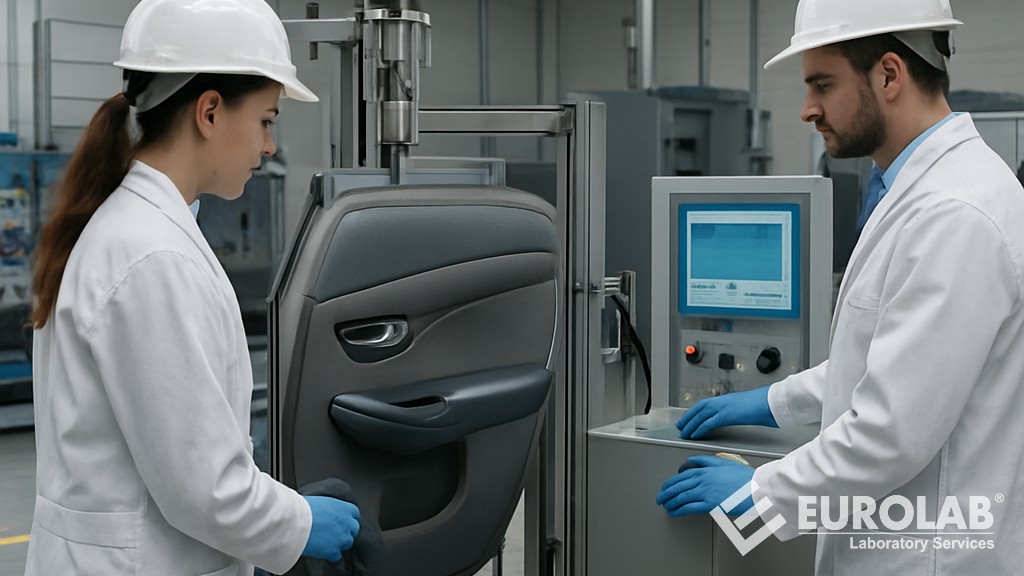
This standard ensures that these parts meet stringent performance, durability, safety, and environmental criteria under real-world automotive conditions, including exposure to heat, humidity, light, mechanical stress, and aging.
The DBL 5471 standard consists of sections that specify the following:
Companies supplying interior components to Mercedes-Benz must demonstrate compliance with the DBL 5471 standard through accredited testing in independent or certified laboratories. Failure to meet the criteria may result in the rejection of parts or batches.
The latest revision of this standard includes stricter requirements for sustainability, volatile organic compound emissions, and new test cycles. It often refers to other DBL standards (e.g., DBL 5430 for indoor emissions and DBL 5416 for thermoplastics) and international norms.
The parties using this standard are:
For suppliers, engineers, or researchers working with Mercedes-Benz interiors, compliance with the DBL 5471 standard is essential for part approval and series production.
In short, the DBL 5471 standard is a supply specification applicable to specific automotive interior components, particularly upholstery and molded filler parts (composite parts) for vehicle interiors.
In practice, this standard is used by automotive manufacturers, suppliers, and accredited testing laboratories to ensure that interior composite parts meet defined quality, material, and performance requirements before being approved for production or use in vehicles.
The primary purpose of the DBL 5471 standard is to define the technical and quality requirements for:
The tests defined under the DBL 5471 standard are as follows:
These tests help to evaluate durability, surface performance, and suitability for use in vehicle interiors.
DBL 5471 and similar DBL specifications are part of a broader set of material and product specifications used in automotive quality assurance. For example:
These features help ensure that the components meet the safety, comfort, and longevity criteria specific to automotive environments.
The DBL 5471 standard defines acceptance criteria and expected performance for parts that will be exposed to varying temperatures, repeated use, and daily wear and tear, which is critical for passenger comfort and safety, from a manufacturer's perspective. From a testing laboratory perspective, it provides a framework for accredited testing and certification, ensures uniform evaluation of composite interior parts, and reduces variability among suppliers. From an automotive quality control standpoint, the use of this standard helps harmonize the supply chain regarding material expectations, reduce defects, and support compliance with Daimler's internal standards.
The DBL 5471 standard is considered essential because it ensures consistent quality, safety, and performance of automotive interior parts, particularly upholstery and molded filler components. The main reasons this standard is important are as follows:
For many years, our organization, with its competent and experienced team, has been understanding the needs of its clients, providing the advanced testing services they require, and assisting them in the establishment, implementation, and improvement of management systems. Within this framework, we also provide testing services compliant with the DBL 5471 standard.
To get an appointment, to get more detailed information or to request an evaluation, you can ask us to fill in our form and reach you.

