

The Nissan NES M7105 Vinyl chloride floor coating for automobiles standard, developed by Nissan Automobiles, is part of Nissan's internal engineering and testing standards, each dealing with different material properties or component tests (e.g., chemical resistance, abrasion, thermal performance), and specifically covers vinyl chloride-based floor coating materials, their properties, and potential test methods used in automotive applications.
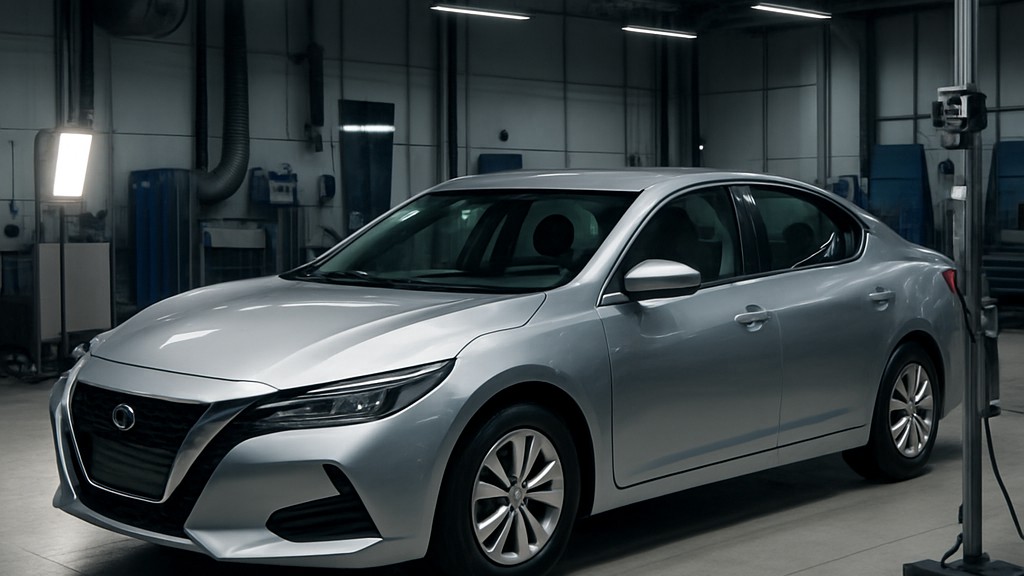
These standards are often used by automotive engineers and testing laboratories to ensure that materials meet Nissan's quality and safety requirements.
The Nissan NES M7105 standard focuses on PVC (vinyl chloride) sheets used as automotive floor coverings (carpet or floor mat type sheets in some upholstery, service models, and light commercial vehicles). This standard is a test standard specifically designed for vinyl chloride (PVC)-based floor covering sheets used in automobiles. These materials are plastic-based coverings resistant to water, chemicals, and abrasion, used in place of or under carpeting in vehicles. The NES M7105 standard specifies the quality, durability, and safety criteria for these coverings.
The main points covered by this standard are:
In short, the Nissan NES M7105 standard was developed by Nissan to ensure the durability, safety, and longevity of PVC coatings used on vehicle floors. The test methods applied to vinyl chloride-based flooring materials in this standard focus on measuring the material's performance against both mechanical and environmental conditions. The main test methods included in this standard are:
In summary, the Nissan NES M7105 standard verifies critical properties of PVC floor coverings, such as thickness, hardness, mechanical strength, thermal behavior, abrasion, and chemical resistance, through various tests. This ensures both longevity and safety.
This standard applies to a wide range of automotive components, including:
Cold resistance is a critical factor for vehicles operating in regions experiencing extreme winters. The Nissan Ariya's -20 degree Celsius cold resistance test demonstrates excellent charge retention and starting performance, highlighting advancements in battery technology. However, real-world conditions can include fluctuating temperatures and humidity, creating additional challenges.
The Nissan NES M7105 standard complements other Nissan standards, including:
Consequently, the Nissan NES M7105 standard cold resistance test is a vital part of ensuring automotive components can withstand extremely low temperatures without compromising safety or performance. By simulating harsh winter conditions, it ensures that all of its vehicles, from internal combustion engines to electric models like the Ariya, meet rigorous reliability standards. Along with other NES standards, this test reflects Nissan's commitment to producing sustainable and safe vehicles for global markets.
Our organization, which has been operating for many years and meticulously follows global developments in science and technology, employs a skilled team and extensive infrastructure to conduct testing, measurement, and analysis in a wide range of areas for businesses across all sectors. In this context, we also provide testing services in accordance with the Nissan NES M7105 standard for vinyl chloride floor coating for automobiles.
To get an appointment, to get more detailed information or to request an evaluation, you can ask us to fill in our form and reach you.

