

The “FCA PF-7051 Part Supplier - Paint Continuous Compatibility Testing Requirements” standard, developed by Fiat Chrysler Automobiles (FCA) (now Stellantis), an Italian-American automotive company, describes technical paint testing requirements for part suppliers/paint applicators, release engineers, supplier quality units, and others as needed. This standard defines paint continuous compliance requirements and describes the test methods used.
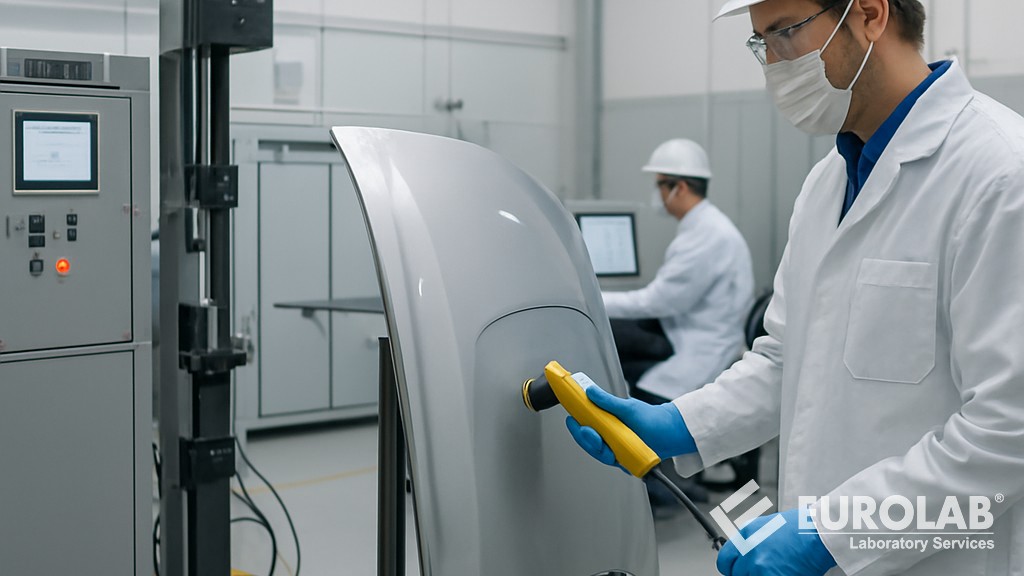
This standard does not include complete paint performance requirements; instead, it offers a series of tests to ensure paint process suitability. These tests, along with the use of Stellantis-approved coating materials for the substrate/application, ensure that a painted part conforms to the design purpose of the application.
This standard is designed for use in the supply of painted parts (interior, exterior, wheels, under-hood and chassis) under Stellantis' purchase orders and describes the paint continuous conformity testing requirements for painted part suppliers to Stellantis. Paint part suppliers are responsible for the paint continuous conformity performance tests listed in this standard.
In short, the FCA PF-7051 standard focuses on ensuring long-term durability, quality consistency, and compliance through manufacturing part approval processes and process approval activities.
This standard is primarily a procedure and performance guideline for organic coatings (such as paints, primers, and protective coatings) applied to under-hood components, chassis elements, exterior trim, and other metal or plastic surfaces in FCA/Stalantis vehicles. This standard defines the following:
It is generally referenced in the following contexts:
These tests utilize methods specific to ASTM, SAE, and FCA (for example, the FCA 50457 standard for gloss or the MS-90089 standard for under-hood/chassis coatings).
In the automotive industry, coatings provide protection against corrosion, wear, and environmental factors while maintaining aesthetics and functionality. The FCA PF-7051 standard helps suppliers demonstrate that their coating processes remain stable over time, reducing the risk of field failures (e.g., peeling, rusting, or fading). This standard is part of FCA/Staltantis's materials engineering requirements and is often listed alongside other specifications such as PS-508 (surface treatments) or PF-9968.
The FCA PF-7051 standard is an engineering specification that defines the requirements for continuous conformity and quality verification of supplied painted components, guaranteeing that coatings applied by suppliers provide consistent performance and durability throughout production and after approval processes such as the production part approval process and process approval.
This standard is part of a series of standards used to control production processes and product performance in automotive supply chains.
The primary objective of the FCA PF-7051 standard is to ensure that painted or coated parts supplied to FCA maintain consistent quality after initial approval. Even after production approval, suppliers are required to continuously verify that their coating processes remain stable and compliant. Therefore, the standard specifies the following:
In short, the FCA PF-7051 standard protects vehicles from variability in coatings that could lead to corrosion, cosmetic defects, or premature failure. This standard generally applies to:
This standard covers the following sub-categories:
The FCA PF-7051 standard works in conjunction with two major automotive approval systems:
The FCA PF-7051 standard extends these approvals by mandating the production part approval process and subsequent verification testing after process approval is complete, ensuring that paint performance remains within specification throughout the production lifecycle.
This standard requires suppliers to perform periodic tests on coated parts. These tests typically evaluate the following:
FCA coating standards comply with international environmental regulations. For example,
For many years, our organization, with its competent and experienced staff, has been understanding the needs of its clients, providing the advanced testing services they require, and assisting them in the establishment, implementation, and improvement of management systems. Within this framework, we also provide testing services compliant with the FCA PF-7051 standard.
To get an appointment, to get more detailed information or to request an evaluation, you can ask us to fill in our form and reach you.

