

Developed by BMW, a multinational vehicle manufacturer, the “BMW AA N 043 Wear Resistance of Velvet-Coated Plastic Parts” standard is a specialized internal materials testing standard designed to evaluate the durability and wear resistance of velvet-coated plastic components used in vehicle interiors and other applications.
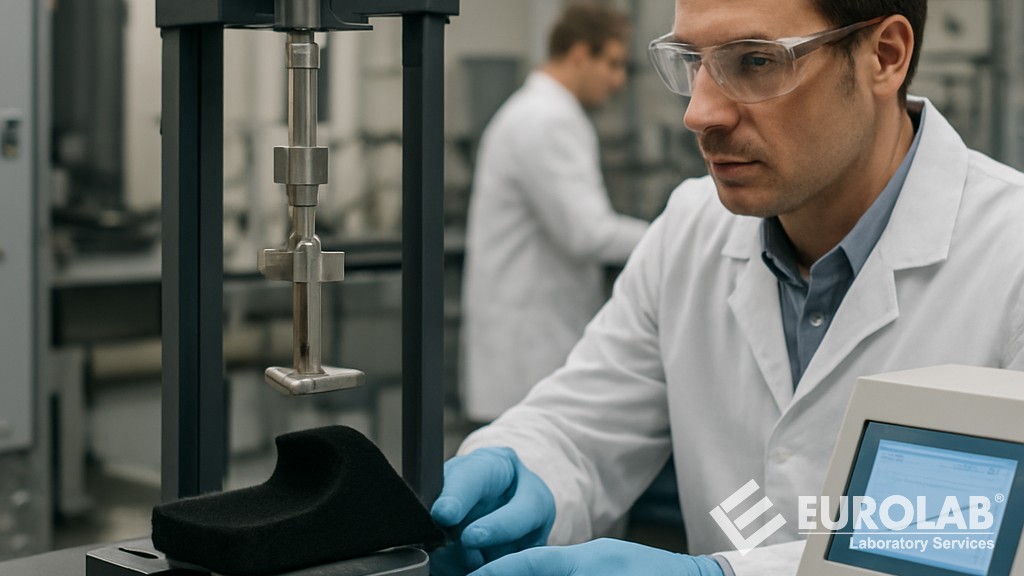
Velvet-coated plastic parts refer to surfaces where fine fibers (velvet) are electrostatically applied to a plastic substrate, usually for tactile, aesthetic, or anti-slip purposes. Common examples in BMW vehicles include:
These velvet-covered areas must withstand prolonged use, including friction from hands, clothing, objects, cleaning, and environmental factors, without excessive fiber loss, felting, or visible deterioration.
The BMW AA N 043 standard includes a test method to simulate abrasive wear and measure the resistance of velvet. This method essentially follows these steps:
This standard is part of BMW’s broader range of material and surface testing standards (typically listed alongside related standards such as BMW AA N 040 for pile density/thickness measurements or BMW AA N 0570 and BMW AA 0570 for similar velvet abrasion assessments).
BMW places great emphasis on the quality and durability of interior materials. Velvet surfaces enhance perceived quality, but can be prone to wear if the adhesive bonding or fiber quality is inadequate. Failure to meet this standard can lead to customer complaints about interiors that look fuzzy or worn after a few years of use.
Test laboratories routinely perform testing against the BMW AA N 043 standard as part of supplier qualification or quality assurance for BMW interior trim parts. This standard is often listed alongside the following standards:
For a supplier or engineer involved with BMW interior materials, this standard ensures that flocked plastics maintain their superior feel throughout the vehicle's lifespan.
The BMW AA N 043 standard is necessary because these plastic parts, created by bonding short fibers to velvety, suede-like surfaces in vehicle interiors, face significant real-world durability challenges over the life of a vehicle.
Velvety surfaces are popular in premium vehicles like BMW due to their luxurious tactile feel, reduced glare (especially on instrument panels), non-slip properties, and high-end aesthetics in areas such as door panels, center consoles, storage compartments, armrests, and instrument panel surrounds. However, these parts are constantly exposed to:
Without rigorous testing, low-quality velvet coating can lead to the following common malfunctions:
In BMWs and similar vehicles, velvet or similar soft-touch interior elements often exhibit wear issues such as particle shedding, peeling adhesives, or surface deterioration, particularly in high-contact areas. While dramatic failures don't occur in every BMW, these issues arise frequently enough in discussions about aging interiors to justify strict original equipment manufacturer standards.
As a luxury brand, BMW has high expectations regarding perceived quality and long-term durability (typically aiming for 10 years or 150.000+ km with minimal visible/interior deterioration). The BMW AA N 043 standard provides a standardized, repeatable wear simulation (typically involving controlled friction cycles under specific pressures and environments) for the following purposes:
In short, this standard exists to uphold BMW's brand promise of premium, durable interiors.
For many years, our organization, with its competent and experienced staff, has been understanding the needs of its customers, providing the advanced testing services they require, and assisting in the establishment, implementation, and improvement of management systems. Within this framework, we also provide testing services to businesses in accordance with the "BMW AA N 043 Wear resistance of velvet-coated plastic parts" standard.
To get an appointment, to get more detailed information or to request an evaluation, you can ask us to fill in our form and reach you.

