Cyclic Testing of Chrysler LP-463PB Painted Surfaces
The “Chrysler LP-463PB Cyclic Testing of Painted Surfaces” standard, developed by Chrysler, an American automobile brand and division of Stellantis North America, encompasses a series of material testing specifications developed to evaluate the performance and durability of painted surfaces, coatings, plastics, and related automotive materials. These are primarily test methods under the broader LP-463PB family and focus on resistance to environmental influences, chemicals, mechanical stress, and other factors relevant to interior and exterior automotive components.
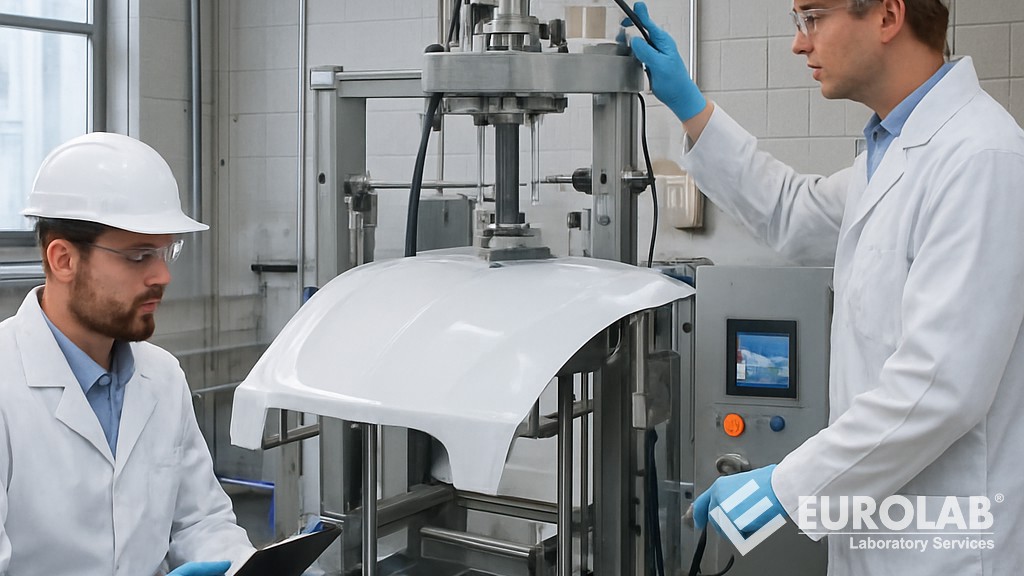
The main test methods described in the Chrysler LP-463LB standard are as follows:
- LP-463PB-31 Resistance of paint films to various liquids: This test is one of the most cited tests in the series. It incorporates multiple methods (e.g., Method J for solvent wipe resistance) to assess how painted surfaces withstand exposure to liquids such as solvents, fuels, cleaners, acids, and more. Older methods (e.g., acid stain or soap/water tests) have been superseded by this one.
- LP-463PB-54 Resistance to friction damage: Measures resistance to abrasion and scratches caused by friction, typically for interior trim or painted parts (using a friction gauge). Results are typically based on a change in gloss or visual appearance.
- LP-463PB-64 Thermal shock test: Evaluates the adhesion and performance of coatings under rapid temperature changes (thermal shock cycles) simulating real-world conditions for both internal and external parts.
- LP-463PB-57 Staining tests: Focuses, for example, on staining exterior plastics with asphalt or staining plastics with automotive fluids.
- LP-463PB-22 Cycle test of painted surfaces: Environmental cycling typically involves humidity and temperature.
These properties are used by automotive suppliers and testing laboratories to qualify materials for FCA/Stellantis vehicles. They help ensure that coatings and plastics are resistant to everyday exposures such as chemicals, weathering, cleaning agents, and mechanical wear.
These are internal performance testing procedures, not material composition specifications.
Chrysler LP-463PB test methods (currently under FCA/Stellantis standards) are necessary because automotive painted surfaces, coatings, plastics, and interior and exterior trim materials are exposed to a wide variety of harsh real-world conditions over a vehicle's 10–15 year lifespan. Without standardized, rigorous testing, materials can degrade prematurely, leading to cosmetic issues, functional failures, safety concerns, customer dissatisfaction, and costly warranty claims or recalls.
These specialized tests are considered necessary in the automotive industry for the following reasons:
- Simulation of exposure to real-world conditions: Vehicles encounter everyday substances and conditions that can quickly damage surfaces:
- Chemicals and liquids (e.g., gasoline, brake fluid, windshield washer fluid, hand lotions, sunscreens, insect repellents, household cleaners, beverages, bird droppings, or road salt).
- Mechanical wear and tear (e.g., friction from clothing, keys, or cleaning).
- Environmental stressors (e.g., extreme temperature changes, thermal shock from hot and cold cycles, humidity).
The LP-463PB-31 standard, through tests such as resistance to various liquids, ensures that painted or coated parts do not discolor, crack, swell, soften, or lose their adhesion when exposed to them. This prevents problems such as faded interiors or peeling exterior coatings.
- Maintaining appearance and customer satisfaction: Modern vehicles place importance on high-quality, durable interiors and exteriors. Deterioration manifests itself in the following ways:
- Color change or staining
- Loss of brightness
- Cracking, hairline cracks, or chalking.
- Scratches and abrasion marks (addressed in tests such as LP-463PB-54 Crack scratch resistance)
Passing these tests helps maintain the new car's appearance for longer, which is a significant factor in brand perception, resale value, and owner reviews.
- Ensuring long-term durability and functionality: Coatings are not merely decorative; they protect underlying materials from corrosion, UV damage, or mechanical failure. Tests such as LP-463PB-64 thermal shock test confirm that paint adhesion can withstand rapid temperature changes (e.g., parking in hot sun followed by cold rain), preventing blistering or delamination that could lead to further damage to metal or plastic materials.
- Supplier quality control and original equipment manufacturer (OEM) approval: These are mandatory for companies supplying FCA/Stellantis vehicles (such as Chrysler, Jeep, and Dodge). Passing the LP-463PB standard tests is necessary for part approval and the production part approval process. It ensures:
- Early detection of weak formulations during development.
- Consistency in global supply chains.
- Reducing the risk of field failures.
- Reducing warranty costs and liabilities: Premature failures (e.g., stained seats from spilled drinks or cracked dashboards from sunscreen) lead to expensive repairs. Standardized testing minimizes recalls, warranty payments, and legal issues by predicting performance over the vehicle's lifetime.
- Regulatory and industry compliance: While not always legally required, these tests align with broader automotive durability expectations and help meet indirect requirements (e.g., corrosion resistance indirectly linked to safety standards).
In conclusion, LP-463PB standard tests bridge the gap between laboratory conditions and decades of real-world wear, ensuring materials perform reliably. This prevents vehicle owners from encountering unpleasant surprises like a cracked dashboard after a few summers or paint that stains from a single spill. Therefore, these tests are a fundamental part of automotive material qualification, especially for visible or frequently touched components.
For many years, our organization, with its competent and experienced staff, has been understanding the needs of its customers, providing the advanced testing services they require, and assisting them in the establishment, implementation, and improvement of management systems. Within this framework, we also provide testing services in accordance with the Chrysler LP-463PB standard.



