

The “MS915-01 Tin Plating on Terminals - Electrical and Electronic Components” standard, developed by Hyundai Motor Company and Kia Corporation, is a materials engineering specification for tin plating on electrical and electronic component terminals, connector contacts, and cables. This standard defines the technical requirements for tin-plated surfaces used on components in automotive electrical systems that require excellent electrical conductivity, solderability, and corrosion resistance.
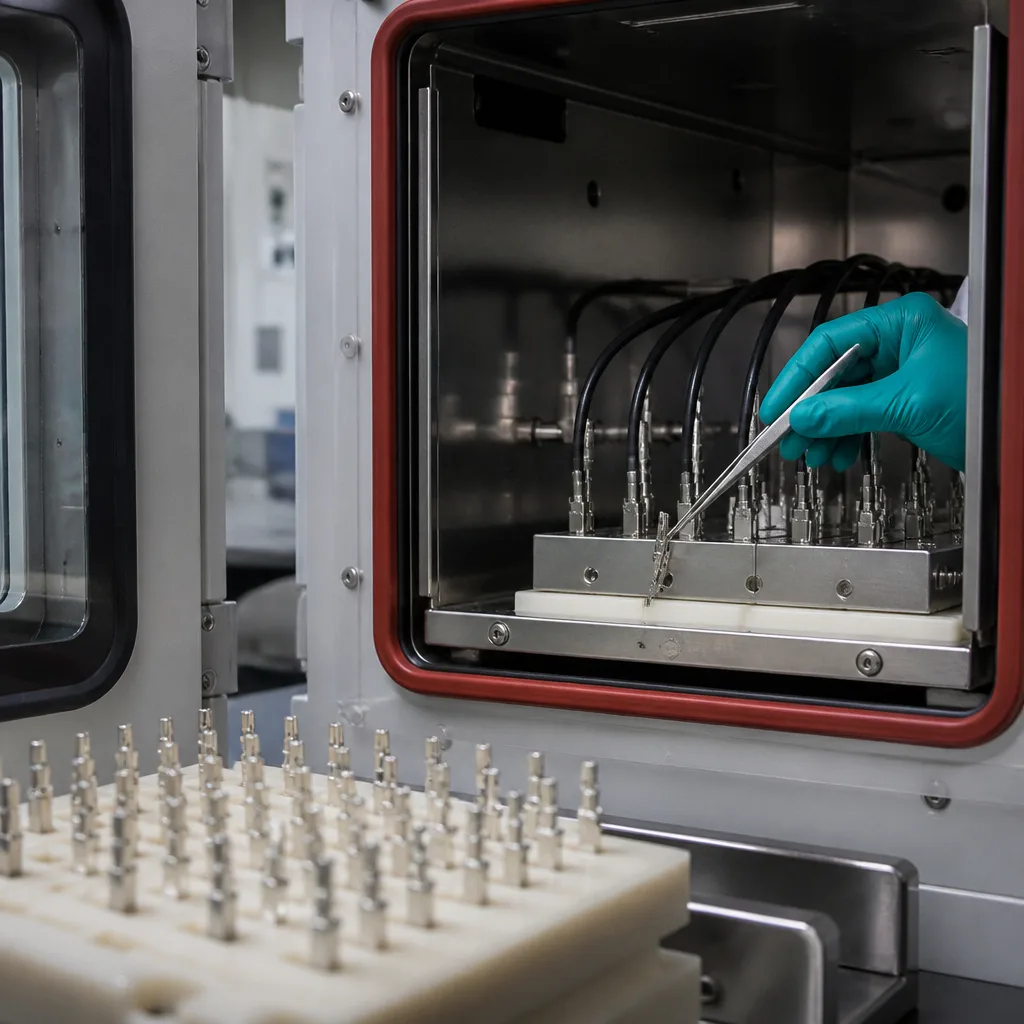
This standard applies to connectors and electrical/electronic component terminals and defines acceptable tin plating types, plating definitions, quality requirements, inspection methods, and performance criteria.
The main objectives of the MS915-01 standard are as follows:
This standard helps ensure that coated terminals maintain their electrical and mechanical performance throughout the vehicle's service life.
The MS915-01 standard covers tin plating applied to the following:
This standard is primarily designed for automotive electrical and electronic systems. The specification defines various coating types depending on the surface and application.
These coating systems allow engineers to select the most suitable coating for different connector designs and service conditions.
The MS915-01 standard categorizes applications according to mechanical loading:
Each application category has different durability expectations and coating performance requirements.
The MS915-01 standard also specifies how coatings should be defined in engineering drawings. A definition typically includes:
The standard also allows for simplified drawing notes when detailed thickness values are not required.
The MS915-01 standard requires coated components to be free from defects such as the following:
Manufacturing processes that affect coating quality should not be changed without proper engineering validation.
Essentially, the MS915-01 standard requires verification of the following characteristics within the scope of performance requirements:
If a component cannot fully meet standard requirements while meeting functional electrical or mechanical performance, the coating specification may be determined through agreement between materials, design, and evaluation engineers.
Tin plating is commonly used in electrical terminals because it offers the following advantages:
These properties make tin plating a common choice for automotive connectors and electronic components.
Compliance with the MS915-01 standard requires the following typical inspection procedures:
These inspections help verify that the coated components meet both aesthetic and functional requirements.
Coatings conforming to the MS915-01 standard are commonly used in the following applications:
The MS915-01 standard follows the same engineering principles as internationally accepted tin plating specifications such as:
These standards provide a broader technical context for tin-plated electrical components by defining requirements for coating thickness, appearance, adhesion, solderability, and corrosion protection.
In summary, the MS915-01 standard is an automotive engineering specification that regulates tin plating on electrical and electronic component terminals. This standard defines standardized plating types, application categories, drawing descriptions, and quality requirements to ensure reliable electrical performance, corrosion resistance, and solderability. By defining consistent plating practices for connectors, terminals, and component ends, this standard helps manufacturers produce durable and reliable electrical systems suitable for demanding automotive environments.
The main sections of this standard are as follows:
For many years, our organization, with its competent and experienced staff, has been understanding the needs of its clients, providing the advanced testing services they require, and assisting them in the establishment, implementation, and improvement of management systems. Within this framework, we also provide testing services compliant with the MS915-01 standard.
To get an appointment, to get more detailed information or to request an evaluation, you can ask us to fill in our form and reach you.

