

Flammability of Interior Materials - Seat Components and Materials in Fiat CP-5237LA

Flammability of Interior Materials - Seat Components and Materials in Fiat CP-5237LA

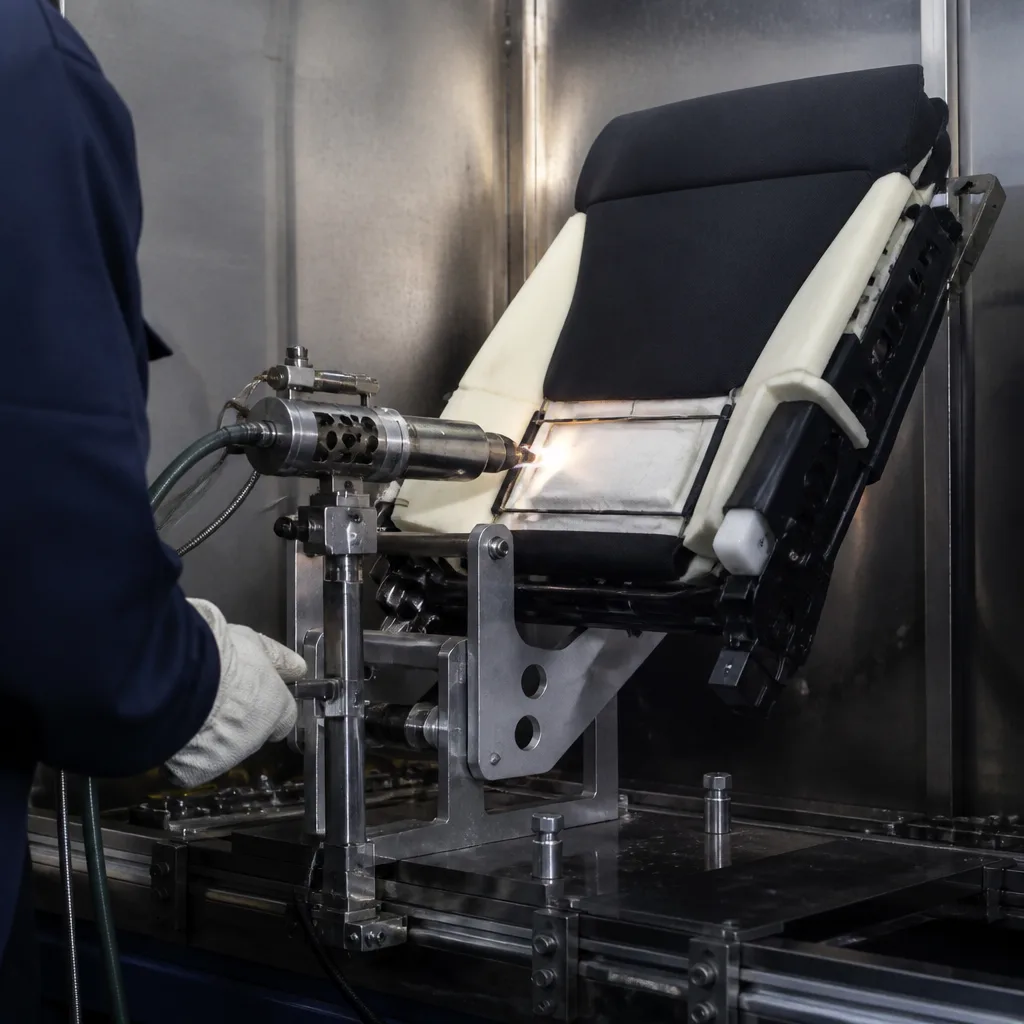
Developed by Fiat Chrysler Automobiles (FCA) (now Stellantis), an Italian-American automotive company, the “Fiat CP-5237LA Flammability of Interior Materials - Seat Components and Materials” standard is an internal automotive materials specification designed to evaluate the flammability behavior of interior materials and seat components used in vehicles. This standard primarily applies to cabin materials such as seat foams, fabrics, upholstery, insulation layers, and composite interior parts, ensuring they meet vehicle fire safety requirements.
Flammability of Interior Materials - Seat Components and Materials in Fiat CP-5237LA

The primary goal of the Fiat CP-5237LA standard is to reduce the risk of fire spreading in the vehicle cabin. Modern vehicle interiors contain numerous polymeric and textile materials that can ignite under conditions of sufficient heat or electrical failure. This standard establishes controlled laboratory procedures to determine:

  • Ignition resistance
  • Burning rate
  • Flame propagation behavior
  • Self-extinguishing property
  • Safety performance of seat components and interior upholstery.

This specification helps manufacturers verify that materials used in passenger compartments meet fire safety expectations before being approved for production vehicles.

The Fiat CP-5237LA standard primarily applies to the following:

  • Seat cushions and seat covers
  • polyurethane foams
  • Interior textile laminates
  • Carpet systems
  • Door panel coverings
  • Ceiling tiles
  • Acoustic insulation materials
  • Plastic flooring components

Depending on the original equipment manufacturer's verification program, tests can be performed on raw materials, semi-finished assemblies, or complete interior component systems.

This standard belongs to the following family of automotive horizontal combustion tests:

  • ASTM D5132 Standard test method for horizontal burning rate of polymeric materials used in passenger compartments of motor vehicles.
  • ISO 3795 Road vehicles, tractors and agricultural and forestry machinery - Determination of the combustion behavior of interior materials.
  • FMVSS 302 Flammability of interior materials - Passenger buses, multipurpose passenger vehicles, trucks and coaches
  • DIN 75200 Determination of the combustion behavior of interior materials of motor vehicles.

Accredited automotive laboratories frequently list the Fiat CP-5237LA standard alongside these global flammability standards because they evaluate similar fire performance characteristics.

The method described generally follows these steps:

  • A sample of the processed material is mounted horizontally.
  • A calibrated flame is applied for a specified time interval.
  • Flame spread distance and burning speed are measured.
  • The material is evaluated from the following perspectives:
    • Flame propagation speed
    • Drip behavior
    • Post-flame period
    • Spontaneous extinction performance

Materials that burn very quickly or remain flammable for an excessive amount of time may not pass the vehicle usage suitability test.

Modern vehicles increasingly include the following:

  • Lightweight polymers
  • Synthetic textiles
  • Foam composites
  • Electrical components

These materials can pose additional fire load risks if not properly verified. The Fiat CP-5237LA standard helps ensure that lightweight interior designs maintain acceptable fire safety performance. This specification is particularly important where:

  • Electric vehicles
  • hybrid vehicles
  • High-density electronic interiors
  • Advanced comfortable seating systems

The Fiat CP-5237LA standard is important because it helps ensure that materials inside a vehicle do not contribute to the rapid spread of fire. Modern vehicle interiors contain plastics, foams, textiles, adhesives, and composite materials that can become fuel in the event of a fire. This standard provides a consistent method for evaluating their flammability performance before they are approved for production. This standard is considered important for the following reasons:

  • Protects passenger safety: The primary goal of this standard is to reduce the risk of injury during a vehicle fire. Slow-burning or self-extinguishing materials allow passengers more time to evacuate and can reduce the severity of the fire.
  • It controls fire spread: A small ignition source, such as an electrical malfunction, an overheated part, a cigarette, or an external flame, can spread rapidly through highly flammable interior materials. This standard helps identify and eliminate materials that allow flames to spread too quickly.
  • Ensures material consistency: Suppliers typically source similar materials from different production batches or manufacturing facilities. This standard ensures that each approved material maintains a consistent level of fire resistance throughout the vehicle's production life.
  • Supports vehicle development: During vehicle development, engineers evaluate multiple material options for seats, carpets, door panels, headliners, and insulation systems. This standard provides objective testing criteria that help engineers select safer materials without relying solely on supplier claims.
  • Reduces liability and warranty risks: Vehicle fires can lead to safety recalls, warranty claims, legal liabilities, and damage to brand reputation. By ensuring materials meet this standard, Fiat reduces the likelihood of fire-related failures and associated costs.
  • Supports compliance with regulations: Although this standard is an original equipment manufacturer specification, it complements the automotive flammability requirements of internationally accepted standards such as FMVSS 302, ISO 3795, and DIN 75200. Compliance with this standard helps suppliers demonstrate compliance with broader vehicle fire safety requirements.
  • Key importance for interior materials: This standard is particularly important for:
    • Polyurethane seat foams
    • Upholstery fabrics and leather coverings
    • Carpets
    • Ceiling tiles
    • Door trim materials
    • Sound insulation products
    • Plastic interior components

These materials make up a large portion of the passenger compartment and therefore have a significant impact on the vehicle's fire behavior.

In conclusion, the Fiat CP-5237LA standard is a key automotive flammability specification focused on improving passenger compartment fire safety. By defining controlled combustion performance requirements for seat materials and interior components, it helps reduce fire risks, support original equipment manufacturer quality control, and ensure safer vehicle interiors on Fiat Chrysler vehicle platforms.

For many years, our organization, with its competent and experienced staff, has been understanding the needs of its customers, providing the advanced testing services they require, and assisting them in the establishment, implementation, and improvement of management systems. Within this framework, we also provide testing services in accordance with the Fiat CP-5237LA standard.

WhatsApp

