

The “VW PV 3905 Organic Materials - Drop Ball Test” standard, developed by the Volkswagen automotive company , describes a test method for evaluating the impact resistance of plastics, particularly those used in outdoor components, through a drop ball test. This method is a test designed to determine the behavior of materials during a drop of balls in tempered circulating air.
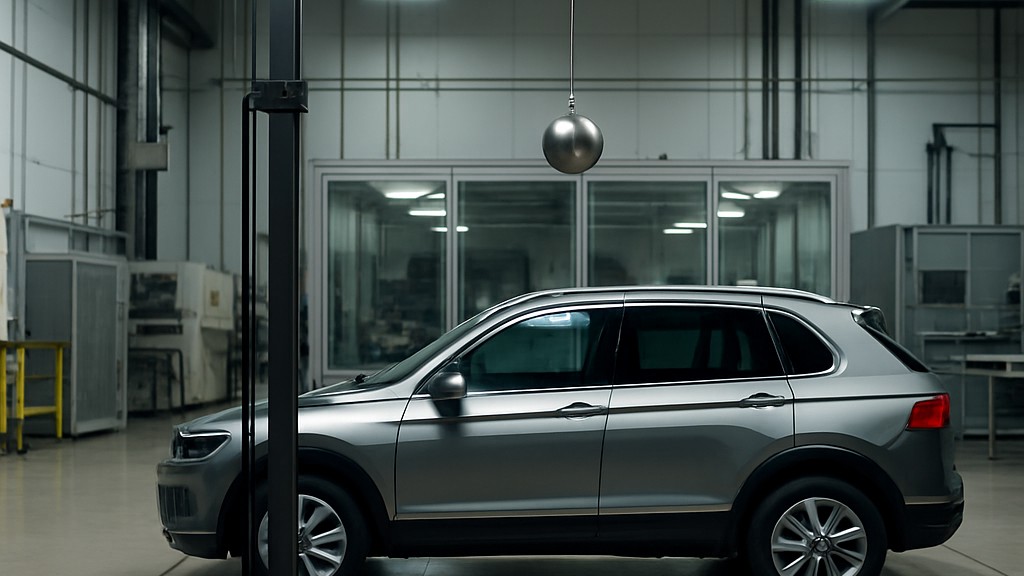
The ball drop test is a widely used method for evaluating the impact resistance and overall toughness of various materials, such as plastic, glass, ceramic, and even metal. This simple yet effective test simulates real-life situations where products may be accidentally dropped or subjected to sudden impacts. The dropping ball test involves dropping a steel ball of a specific weight from a predetermined height. After the impact, the vehicle's organic materials are examined for cracks or breaks. This test helps ensure that the vehicle's organic materials are resistant to impacts that may occur during daily use.
While metals, plastics, and synthetic materials form the backbone of automotive manufacturing, organic materials also play a significant role in design and functionality. Organic materials derived from natural sources offer distinct advantages, such as sustainability, comfort, and enhanced tactile appeal. Some common organic materials found in automobiles include:
Automakers are increasingly turning to organic and sustainable materials to reduce their environmental footprint. Organic materials not only enhance the aesthetic and functional appeal of vehicles but also align with the growing demand for environmentally friendly solutions in automotive design. By using organic materials, manufacturers are not only creating visually and physically appealing vehicles but also contributing to a sustainable future. Through properties like the soft touch of leather, the warmth of wood, or the durability of natural fibers, organic materials continue to play a significant role in shaping the driving experience.
The VW PV 3905 standard is a test standard that specifies the drop test for organic (non-metallic) interior materials and is intended to evaluate how these materials respond to low-velocity impacts (e.g., objects falling inside the vehicle cabin). This standard is designed to evaluate the impact resistance and brittleness of interior components such as upholstery, panels, plastics, and foams. It focuses on determining whether materials will crack, break, or deform when subjected to standard drops. It is classified under interior surface or planar material test methods.
Generally, when performing these tests, a metal ball of specified weight and diameter is dropped from a fixed height onto the test specimen. The impact point and substrate placement are checked to ensure consistency. Samples must be clean and free of foreign matter. Unless otherwise agreed, at least five samples are used in the tests.
The VW PV 3905 standard is among several other VW standards addressing interior materials. For example, the VW PV 3900 standard covers odor testing, while the VW PV 3906 standard covers abrasion behavior testing and surface performance assessment. The VW PV 3966 standard is another method targeting stress whitening in polypropylene components, using the ball drop method.
This standard helps material manufacturers and automotive suppliers ensure the durability of interior components under daily stresses. It contributes to interior quality, reduces cosmetic damage, and increases perceived durability. It also supports compliance with production and acceptance criteria established by original equipment manufacturers.
This standard is considered important for the following reasons:
As a result, the VW PV 3905 standard defines a ball drop test to assess the impact resistance of organic interior materials. This is part of a broader range of Volkswagen test standards, validated through interlaboratory comparisons, used to maintain interior component quality and durability.
Our organization, which has been operating for many years and meticulously follows global developments in science and technology, employs a team of experienced professionals and a broad infrastructure to conduct testing, measurement, and analysis in a wide range of areas for businesses across all sectors. In this context, we also provide testing services in accordance with the "VW PV 3905 Organic Materials - Drop Test" standard.
To get an appointment, to get more detailed information or to request an evaluation, you can ask us to fill in our form and reach you.

