

Ford ES-D8VH-19A672-AA (§ IIIA) Fungal Growth Resistance

Ford ES-D8VH-19A672-AA (§ IIIA) Fungal Growth Resistance

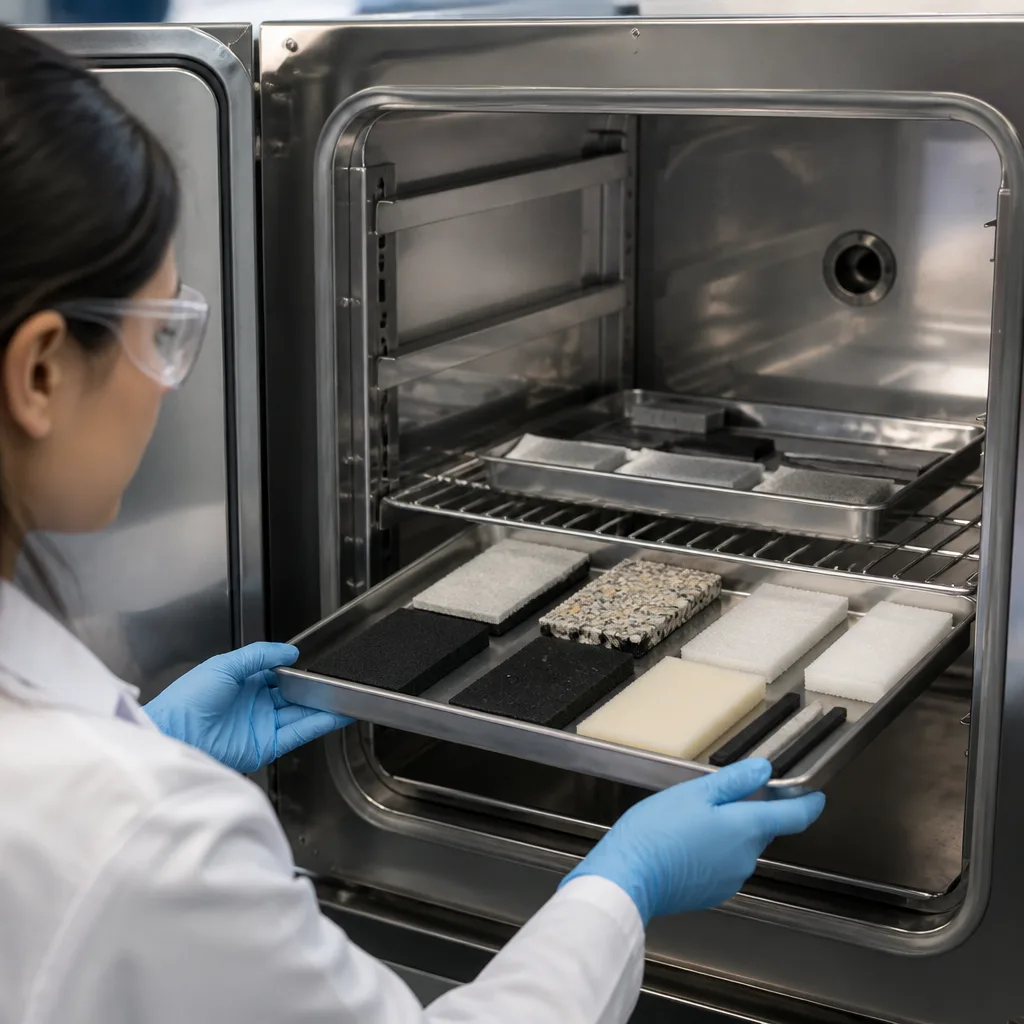
The “Ford ES-D8VH-19A672-AA (§ IIIA) Fungal Growth Resistance” standard, developed by Ford Motor Company (Ford), is a Ford engineering test specification used to evaluate the resistance of heating, ventilation, and air conditioning (HVAC) system materials to fungal growth. This test determines both the biostatic activity and the minimum required biostatic concentration for materials used in vehicle air conditioning systems. These materials may include adhesives, polyurethane foams, expanded rubber, insulation materials, and other synthetic polymeric components.
Ford ES-D8VH-19A672-AA (§ IIIA) Fungal Growth Resistance

This standard evaluates whether HVAC materials can inhibit or resist fungal growth when exposed to hot, humid conditions that promote microbial contamination. Automotive air conditioning systems are particularly sensitive because moisture can accumulate in evaporators, ducts, seals, and insulation materials.

Fungal resistance tests typically follow these steps:

  • Preparation of test samples from candidate material.
  • Inoculation with selected fungal species commonly found in humid environments.
  • Incubation of mushrooms under suitable controlled temperature and humidity conditions for growth.
  • Visual and microscopic evaluation of fungal colonization after a specified incubation period.
  • Determining the biostatic activity of the material and, where applicable, the concentration of antimicrobial additives required to prevent growth.

Ford's acceptance criteria generally require test samples to have little or no visible fungal growth.

Commonly tested materials include:

  • Heating, ventilation and air conditioning (HVAC) foam seals.
  • Polyurethane insulation foams
  • Adhesives and bonding materials
  • Expanded rubber components
  • Air duct coatings
  • Polymer-based acoustic materials
  • Evaporator housing materials
  • Sealing and insulation materials

This standard defines the following:

  • Biostatic activity: The ability of a material to inhibit fungal growth.
  • Biostatic concentration: Whether the amount of the existing antimicrobial additive is sufficient to prevent mold growth over time.

Ford generally considers the following (typical acceptance criteria):

  • Degree of fungal growth on the material surface.
  • The presence of visible colonies or discoloration.
  • The effectiveness of antimicrobial additives.
  • Maintaining material properties after exposure.
  • Compliance with the specified biostatic performance levels.

Materials are typically evaluated using a fungal growth rating scale. Ford-approved materials generally require a maximum growth rating of 1, indicating little or no fungal growth after exposure. Materials achieving a rating of 0 (no growth) demonstrate excellent resistance.

The Ford ES-D8VH-19A672-AA (§ IIIA) standard is important because it ensures that materials used in automotive heating, ventilation, and air conditioning (HVAC) systems and interior components are resistant to mold growth throughout the vehicle's lifespan. This standard is considered important for the following reasons:

  • Protects passenger health and comfort: Vehicle air conditioning systems often operate in hot, humid environments where moisture can accumulate. Mold growing on foams, seals, and insulation materials can release spores and unpleasant odors into the cabin. This standard helps ensure that materials are not a source of contamination.
  • Prevents unpleasant odors: One of the most common customer complaints regarding heating, ventilation, and air conditioning (HVAC) systems is a musty or mildew-like odor. By requiring materials to be resistant to mold growth, this standard reduces the likelihood of odor formation and helps maintain a pleasant cabin environment.
  • It increases material durability: Many fungi can feed on organic compounds found in polymers, adhesives, and foams. Over time, fungal attack can cause:
    • Surface degradation
    • Loss of mechanical properties
    • Reduced insulation performance.
    • Change in material color

Testing according to this standard helps ensure long-term durability.

  • It enhances the reliability of the HVAC system: Components such as evaporator seals, insulation materials, ducts, and foam pieces are frequently exposed to condensation. Materials resistant to microbial growth are less likely to degrade, which helps maintain heating, ventilation, and air conditioning (HVAC) performance throughout the vehicle's lifespan.
  • Supports global vehicle use: Ford vehicles are sold worldwide, including in regions with tropical and subtropical climates where humidity is consistently high. Materials that pass this test can operate reliably in a wide variety of environmental conditions.
  • Confirms antimicrobial processes: Many automotive materials contain antimicrobial additives. This standard confirms the following:
    • The additives are present in sufficient concentration.
    • The additives effectively prevent mold growth.
    • The protection remains effective under service conditions.
  • Reduces warranty and maintenance costs: Fungal contamination can lead to customer complaints, parts replacement, and warranty claims. By qualifying materials before production, Ford reduces the risk of costly field problems.

In short, this standard helps maintain cabin air quality, prevent odors, increase durability, and ensure long-term customer satisfaction by controlling microbial contamination.

In summary, the Ford ES-D8VH-19A672-AA (§ IIIA) standard is a fungal resistance test specification for heating, ventilation, and air conditioning (HVAC) and interior polymeric materials. Its purpose is to ensure that materials used in air conditioning systems resist mold growth, maintain air quality, prevent odors, and provide long-term durability under humid service conditions. Essentially, this standard defines the biostatic activity and biostatic concentration of materials such as adhesives, foams, expanded rubber, or other synthetic polymeric materials used in air conditioning systems.

For many years, our organization, with its competent and experienced staff, has been understanding the needs of its customers, providing the advanced testing services they require, and assisting them in the establishment, implementation, and improvement of management systems. Within this framework, we also provide testing services to businesses in accordance with the Ford ES-D8VH-19A672-AA (§ IIIA) standard.

WhatsApp

