

The “Ford BZ 108-01 10-liter bag method for measuring VOC emissions from vehicle interior materials” standard, developed by Ford Motor Company (Ford), describes a material-level screening method for emissions of selected volatile organic compounds (VOCs) and total volatile organic compounds (TVOCs).
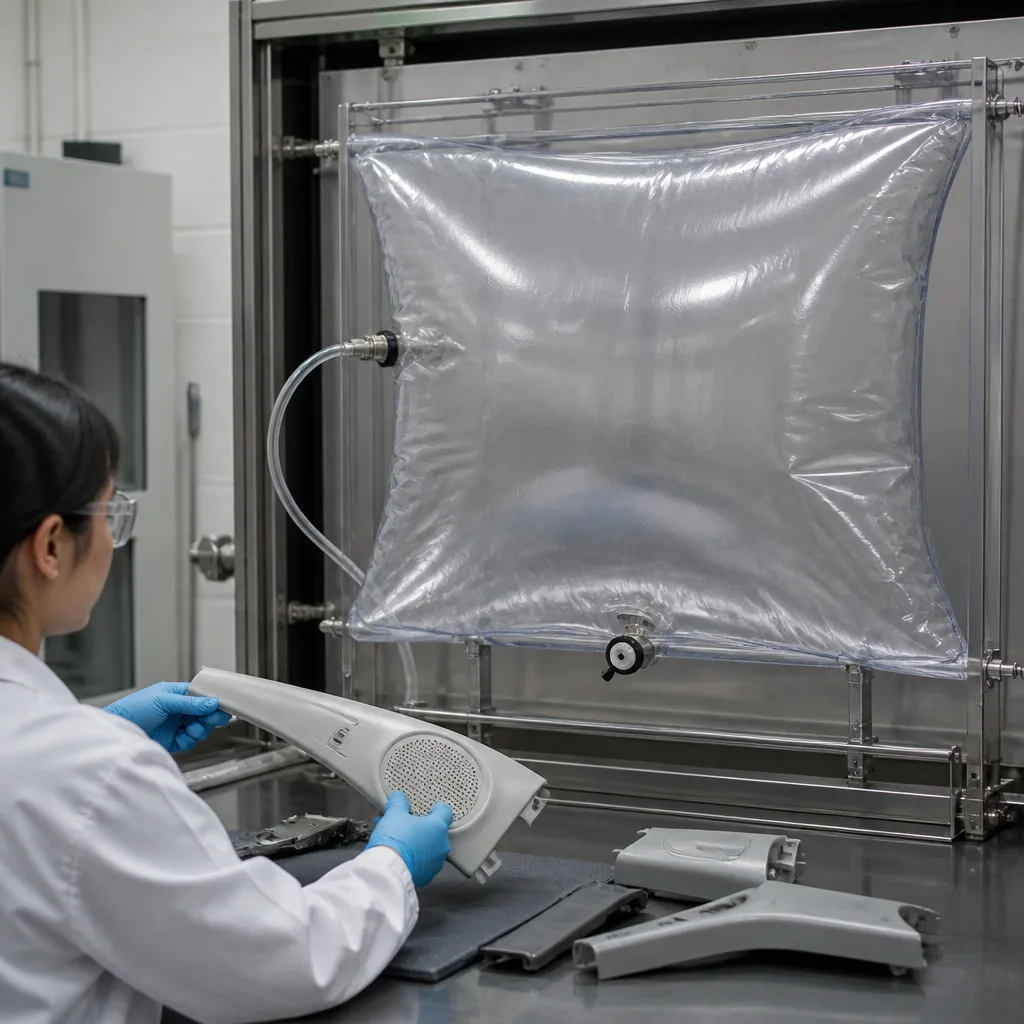
The Ford BZ 108-01 standard includes a test procedure used to assess volatile organic compound (VOC) emissions from automotive interior materials. This standard uses a 10-liter sampling bag method to measure both individual VOCs and total VOCs released from materials used in vehicle cabins.
As vehicle manufacturers place increasing emphasis on cabin air quality, passenger comfort, and regulatory compliance, this standard serves as a crucial screening tool to assess emissions from non-metallic interior components before they are approved for production.
The primary purpose of the Ford BZ 108-01 standard is as follows:
This standard applies especially to the following materials:
In applying the described test method, a representative sample of the material is placed inside a 10-liter inert sampling bag under controlled environmental conditions. During conditioning, volatile organic compounds emitted by the material accumulate in the bag's atmosphere. The collected air is then analyzed using laboratory techniques such as thermal desorption and gas chromatography-mass spectrometry (GC-MS) to identify and quantify the emitted compounds.
This test provides the following:
This method can be used to evaluate compounds such as those listed below:
The specific compounds reported depend on Ford's material requirements and laboratory analytical protocols.
The Ford BZ 108-01 standard belongs to a broader family of automotive interior air quality testing methods. Similar procedures used by other manufacturers include:
These standards share the common goal of reducing exposure to chemical emissions from vehicle interiors.
The advantages of the 10-liter bag method are as follows:
The Ford BZ 108-01 standard is commonly used by the following industries:
Accredited automotive testing laboratories frequently use the Ford BZ 108-01 standard among their VOC emission testing capabilities.
The Ford BZ 108-01 standard is necessary because modern vehicles contain numerous polymer-based materials such as plastics, foams, adhesives, textiles, carpets, coatings, and sealants that can release volatile organic compounds into the passenger compartment. Failure to effectively control these emissions can lead to air quality, odor, and regulatory compliance issues in vehicle interiors. This standard is considered important for the following reasons:
In summary, the Ford BZ 108-01 standard incorporates a specific automotive testing method to determine volatile organic compound (VOC) emissions from vehicle interior materials using a 10-liter sampling bag. This standard provides an efficient screening technique to evaluate cabin air quality performance, support material adequacy, supplier approval, and vehicle development activities. As automotive manufacturers continue to focus on healthier and more comfortable vehicle interiors, the Ford BZ 108-01 standard remains a vital tool in controlling VOC emissions throughout the supply chain.
For many years, our organization, with its competent and experienced staff, has been understanding the needs of its customers, providing the advanced testing services they require, and assisting them in the establishment, implementation, and improvement of management systems. Within this framework, we also provide testing services in accordance with the Ford BZ 108-0 standard.
To get an appointment, to get more detailed information or to request an evaluation, you can ask us to fill in our form and reach you.

