

Developed by BMW, a multinational vehicle manufacturer, the “BMW AA P 257 Resistance of Painted Interior Surfaces to Sunscreen” standard is a specific test standard designed to evaluate the chemical resistance of painted or coated automotive interior parts to sunscreen (sun lotion). This specification is part of BMW’s broader standards focusing on material and surface durability, aging, and environmental resistance in vehicle interiors.
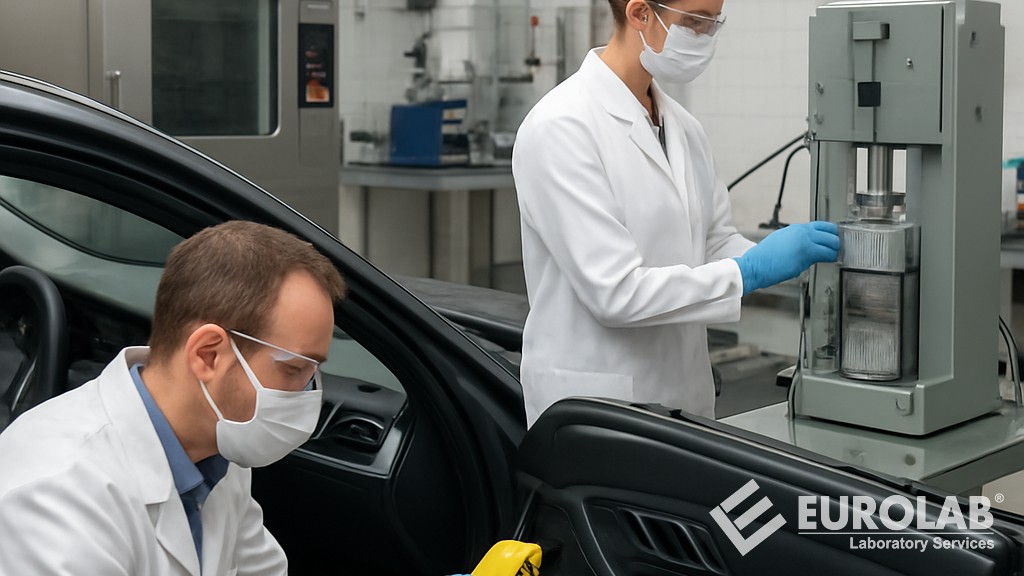
Painted interior surfaces, such as dashboards, door panels, center consoles, or other plastic/metal parts with decorative or protective coatings, may come into contact with personal care products used by passengers, such as sunscreen. Sunscreen contains oils, emulsifiers, UV filters, and solvents that can potentially cause:
The BMW AAP 257 standard defines a controlled testing method to simulate real-world exposure and ensure that BMW-approved materials maintain their appearance, functionality, and durability under these conditions. It helps suppliers and manufacturers qualify interior trim parts for use in BMW vehicles and ensures high quality standards for premium interiors.
The key aspects of the described method are as follows:
This test is typically performed by accredited testing laboratories serving automotive suppliers. BMW sunscreens or specific test agents conforming to the BMW AA 0053 (BMW AA P 257) standard are commercially available to ensure full compliance.
In the automotive industry, interior surface quality is critical to perceived value, especially for premium brands like BMW. Failures caused by everyday items like sunscreen can lead to customer complaints, warranty claims, or damage to brand reputation. The BMW AA P 257 standard provides robust resistance that contributes to long-term durability and customer satisfaction.
The BMW AAP 257 standard is necessary because everyday personal care products like sunscreen can seriously degrade premium automotive interior surfaces over time, leading to visible damage, customer dissatisfaction, warranty issues, and higher costs for BMW.
Sunscreen isn't just a harmless lotion; it's designed to be water-resistant, adhere to the skin, and stable against heat/UV exposure. Its main ingredients are:
When transferred through the skin (e.g., arms resting on door panels, hands touching consoles, or necks resting on seat backs/headrests), these chemicals interact with painted/coated plastics, soft-touch surfaces, leather, or decorative finishes. Common effects include:
The heat inside a parked car (typically 60-90 degrees in direct sunlight, even higher on dark surfaces) accelerates these reactions, cooking the residue and making the damage permanent or very difficult to reverse.
BMW needs this standard for the following reasons:
In short, the BMW AAP 257 standard is designed to proactively qualify materials to withstand the common, real-life wear and tear, ensuring that BMW interiors look and feel like new for years to come.
For many years, our organization, with its competent and experienced team, has been understanding the needs of its clients, providing the advanced testing services they require, and assisting them in the establishment, implementation, and improvement of management systems. Within this framework, we also provide testing services in accordance with the BMW AAP 257 standard.
To get an appointment, to get more detailed information or to request an evaluation, you can ask us to fill in our form and reach you.

