Mercedes-Benz DBL 5562 Components Made of Thermoplastic Elastomers
The standard "Mercedes-Benz DBL 5562 Components made of thermoplastic elastomers" developed by the automobile company Daimler-Benz describes the general requirements for components made of thermoplastic elastomers for motor vehicles with a modulus of elasticity of up to 500 MPa. For materials with a higher modulus of elasticity, the relevant standard for thermoplastic components must be used (e.g. "DBL 5416 Material requirements: Supply specification - Parts made of thermoplastics for paneling, enclosures and functional parts for exterior applications" and "DBL 5404 Parts made of thermoplastic materials for direct and indirect passenger compartment space, passenger compartment heating, cabin ventilation, cladding and enclosure" standards). The temperature is the maximum temperature in use.
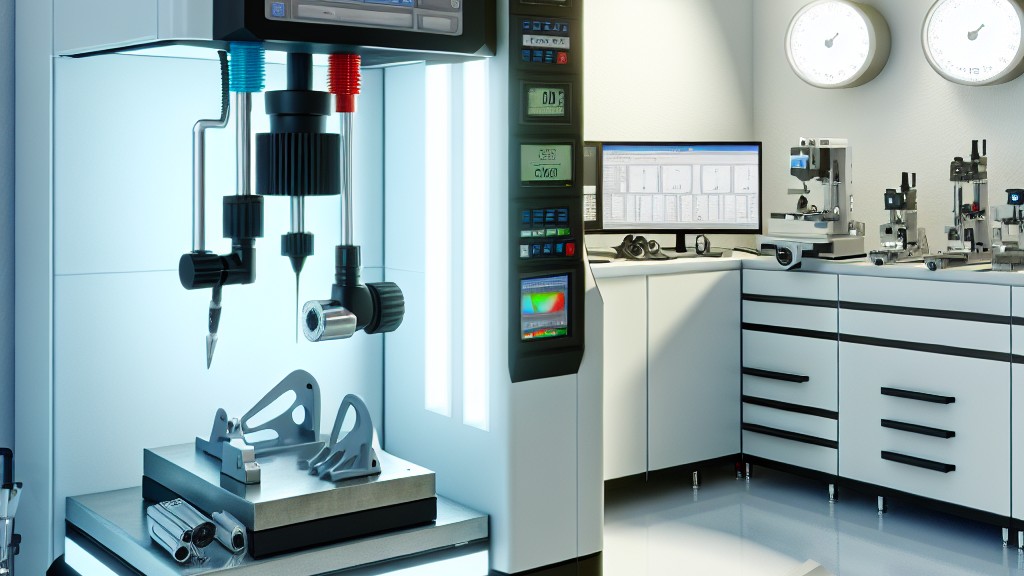
The following tables are provided within the standard, detailing the profile of requirements (temperature, mechanical and sealing function), the type of polymer recommended and application examples:
- Overview of product versions for outdoor applications
- Overview of product versions for indoor applications
- Overview of product versions for chassis and engine compartment applications
The general requirements in this standard are described as follows:
- To ensure product safety and product quality and to meet certification requirements, all relevant regulations and laws must be complied with.
- In terms of components and recyclability, materials, process engineering, component parts and systems must comply with all applicable legal requirements.
- The standard “DBL 8585 General requirements - Environmental protection, hazardous substances, hazardous goods negative substance list for material selection” should be taken into account.
- These specifications also apply in the case of used components with a projected product version that is no longer approved for new designs. For new sampling of components based on an outdated product version, the technological requirements of the version of the standard for which the product version is listed as last up-to-date apply.
- The requirements of the standards “DBL 5307 Flame retardant properties - Interior trim parts - Requirements and test specifications” and “DBL 5430 Vehicle interior emissions and odour” must be met for all interior materials.
- The requirements of the standard “DBL 7384 Supply specification - Coating of plastic parts in vehicle interiors” must be met for interior materials in the visible area.
- For component parts in contact with painted surfaces, contact and migration staining should be tested in accordance with method A of the standard “ISO 3865 Rubber, vulcanized or thermoplastics - Test methods for staining in contact with organic material”.
Samples for testing are taken from 23529 mm plus/minus 2 mm thick discs in accordance with the standard “ISO 0,2 Rubber - General procedures for the preparation and conditioning of test pieces for physical test methods”. The following tests are performed only when necessary:
- Environmental control (PV 31-39, 41)
- Adhesion test (all PVs)
- Temporary resistance/resistance to chemicals and service products (different chemicals per area) (PV 11-14)
The required inspection features and test features are given in the table titled “Overview of inspection features and test features” given in the standard. The inspection features and test specifications in this table are as follows:
- Density: EN ISO 1183-1 standard, Method A: Immersion method
- Hardness (Shore A): ISO 48-4 standard
- Hardness (Shore D): ISO 48-4 standard
- Hardness microhardness (IRHD): ISO 48-2 standard, Methods M and CM
- Modulus of elasticity (Shore D): ISO 527 (all parts)
- Tensile strength (Shore A): ISO 37 standard
- Elongation after fracture (Shore D): ISO 527 standard (all parts)
- Tear propagation strength: ISO 34-1 standard
- Compression set: ISO 815-1 standard, Method B
- Cold reference value: MBN 55555-8 standard
- Ozone resistance: ISO 1431-1 standard
- Adhesion test: VDI 2019 standard
- Resistance to high temperatures: ISO 188 standard
- Resistance to hydrolysis: ISO 6270-2 standard
- Environmental tests: Tests should only be performed if the components are in continuous contact with a service fluid. The same service fluid as used in the application should be used for the test. The service fluid in contact with the component should be defined by the responsible engineer. Examples are coolants, fuels, greases.
- Long-term resistance: ISO 1817 standard
- Artificial weathering of the exterior (hot and humid climate): MBN 55555-5 standard
- Artificial weathering of the exterior (hot and dry climate): MBN 55555-5 standard
- Warm light aging of interior: MBN 55555-5 standard
The general characteristics and requirements of materials, raw materials and delivery conditions are given in the table titled “Technical data, requirements for product version” given in the standard. This table must be followed for material sampling.
Our organization has a strong staff that closely follows the developments in the world in the field of science and technology and constantly improves itself. Among the numerous test, measurement, analysis and evaluation studies provided for businesses in various sectors, there are also test services in accordance with the "Mercedes-Benz DBL 5562 Components manufactured from thermoplastic elastomers" standard.



