

The “GME 60403 Resistance of Organic Coatings to Discoloration from Fuel Soot” standard, developed by General Motors Europe (GME), is an engineering testing specification that evaluates the resistance of organic coatings to discoloration caused by fuel soot (exposure to synthetic soot). This standard is primarily used to ensure that painted automotive components maintain their original appearance after prolonged exposure to soot contaminants that may accumulate during vehicle operation.
Automotive exterior and under-hood components are exposed to numerous environmental pollutants throughout their service life. One of the most common pollutants is fuel soot, which can originate from diesel exhaust, industrial pollution, road grime, or combustion residues. These pollutants can stain painted surfaces, causing discoloration, reduced gloss, and deterioration of the vehicle's appearance.
To overcome this challenge, General Motors Europe has published the GME 60403 standard, a laboratory test method that measures the ability of organic coating systems to resist color changes after exposure to synthetic fuel soot. This standard helps manufacturers assess coating durability before vehicle production.
The main objectives of the GME 60403 standard are as follows:
The GME 60403 standard applies to organic coating systems, including:
This standard is primarily intended for automotive applications, but it can also be applied to coated industrial products exposed to similar contamination.
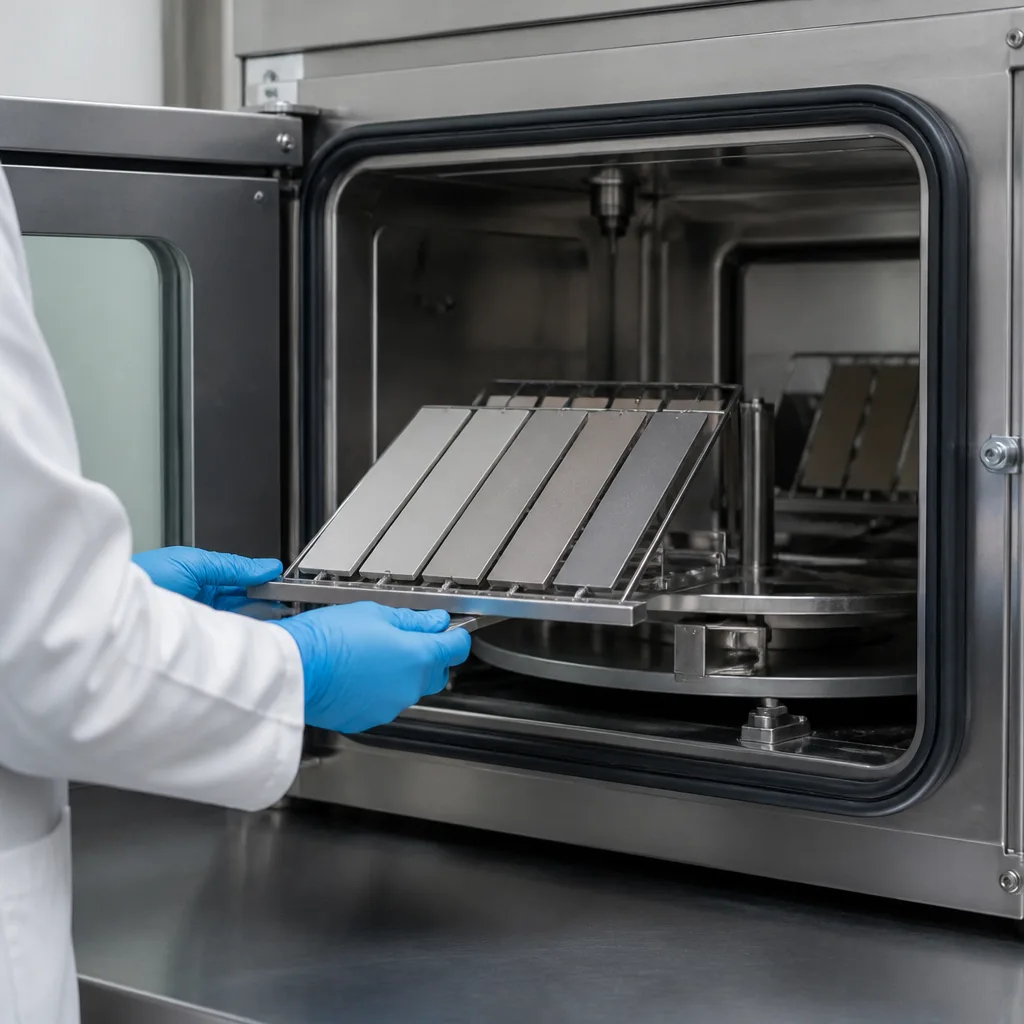
The described method, in principle, simulates contamination by exposing coated samples to synthetic fuel soot under controlled laboratory conditions. The general procedure includes:
The assessment determines whether the organization has caused permanent changes in the color of the coating. The GME 60403 standard evaluates the following:
Unlike mechanical durability tests, the GME 60403 standard focuses specifically on maintaining the aesthetic appearance of the coating after contamination.
Typical assessment methods are as follows:
Acceptance criteria are defined by the relevant General Motors engineering specification for the component being evaluated.
Although this method was created for General Motors Europe, it is also applicable to the following:
The GME 60403 standard is widely used along with other General Motors coating performance standards, including the following:
These standards collectively evaluate mechanical strength, adhesion, weather resistance, chemical resistance, and appearance retention.
Implementing the GME 60403 standard offers several advantages:
This standard typically applies to components such as:
Modern automotive coatings must be resistant not only to corrosion and weathering, but also to stains from contaminants and combustion residues. Vehicles operating in urban or industrial environments, or near diesel traffic, are particularly susceptible to soot buildup.
The GME 60403 standard provides a standardized method for verifying that coating systems retain their original color and appearance after exposure to soot. This contributes to increased customer satisfaction, reduced warranty issues, and more durable vehicle coatings.
In conclusion, the GME 60403 standard is a key engineering standard used to evaluate the resistance of organic coatings to discoloration caused by synthetic fuel oil soot. By simulating real-world contamination under controlled laboratory conditions, it helps manufacturers qualify coating systems that maintain their appearance despite environmental exposure.
For many years, our organization, with its competent and experienced staff, has been understanding the needs of its clients, providing the advanced testing services they require, and assisting them in the establishment, implementation, and improvement of management systems. Within this framework, we also provide testing services compliant with the GME 60403 standard.
To get an appointment, to get more detailed information or to request an evaluation, you can ask us to fill in our form and reach you.

