

Developed by BMW, a leading German multinational company in the automotive sector, the “BMW PR 306 Solar Simulation for Interior Trim Parts” standard (commonly referred to as BMW PR 306.5 standard) describes a test method focusing on solar simulation for vehicle trim parts and interior components. This standard is widely used in the automotive industry to evaluate how materials withstand prolonged exposure to sunlight, heat, and UV radiation. These conditions mimic real-world use inside a parked car under intense sunlight.
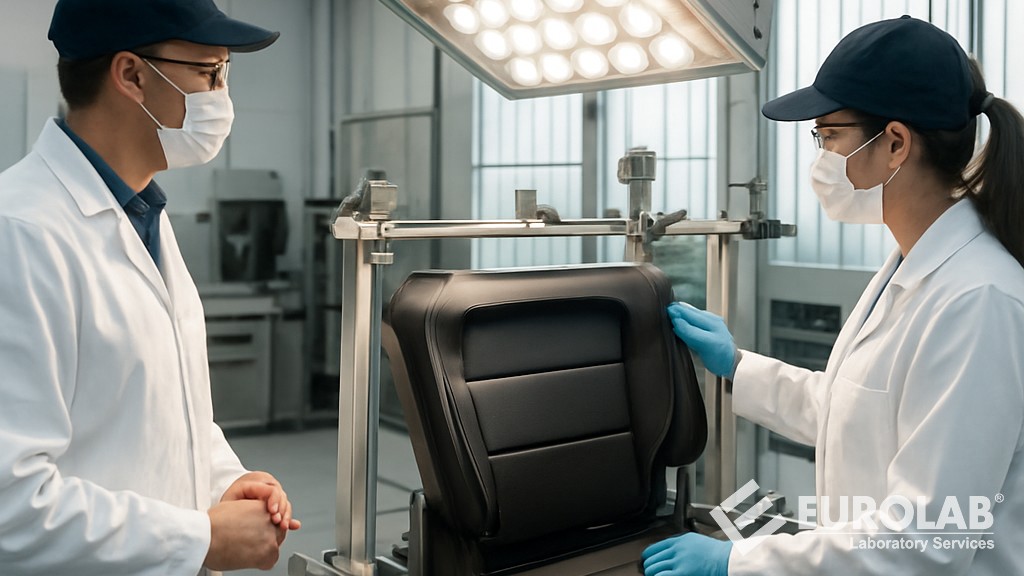
This standard includes artificial sunlight exposure test procedures to ensure that interior elements such as instrument panels, center consoles, armrests, steering wheels, trim pieces, and other polymer-based upholstery parts are resistant to fading, cracking, deformation, discoloration, or deterioration over time.
This standard is divided into the following sub-sections:
Tests typically include:
In hot climates or areas with strong sunlight, vehicle interiors can reach extreme temperatures, sometimes exceeding 70-80 degrees Celsius when parked directly in the sun. Materials that fail these tests lead to the following problems:
BMW suppliers and test laboratories regularly conduct BMW PR 306.5 standard assessments to confirm that components meet BMW's rigorous quality requirements before production approval.
Environmental testing chambers designed for automotive use often list compliance with BMW PR 306.5, DIN 75220, and VW PV standards, among others. These chambers help manufacturers ensure the long-term reliability of interiors by simulating years of sun exposure under accelerated laboratory conditions.
In the automotive industry, solar simulation testing is extremely important for trim parts (such as instrument panels, door panels, consoles, steering wheels, and other interior components) because it directly addresses real-world durability, quality, safety, and customer satisfaction issues caused by prolonged exposure to sunlight, heat, and UV radiation.
When a car is parked in direct sunlight, especially in hot climates, the interior can quickly reach extreme temperatures (sometimes exceeding 100 degrees on surfaces). This creates a harsh environment that accelerates material degradation far beyond normal use. In this respect, solar simulation for trim parts is considered important for the following reasons:
If proper tests are not carried out, these problems will quickly become apparent, causing the interior to look old and cheap.
In hot and sunny markets, these tests are even more critical, as vehicles are often parked outdoors, increasing the risk of damage. DIN 75220, BMW PR 306, and similar original equipment manufacturer specifications are developed because uncontrolled exposure to sunlight is one of the most destructive environmental factors for automotive interiors.
For many years, our organization, with its competent and experienced staff, has been understanding the needs of its customers, providing the advanced testing services they require, and assisting in the establishment, implementation, and improvement of management systems. Within this framework, we also provide testing services to businesses in accordance with the "BMW PR 306 Interior Trim Parts Solar Simulation" standard.
To get an appointment, to get more detailed information or to request an evaluation, you can ask us to fill in our form and reach you.

