

The “GMI 60283 Test Procedures for Cellular and Similar Materials” standard, developed by General Motors International (GMI), is an engineering standard that includes a set of laboratory test methods for evaluating cellular materials (foams) and related materials used in automotive interiors. This standard primarily applies to polyurethane foams and similar materials used in vehicle seats, headrests, armrests, door panels, instrument panels, luggage racks, acoustic insulation, and other comfort or energy-absorbing components.
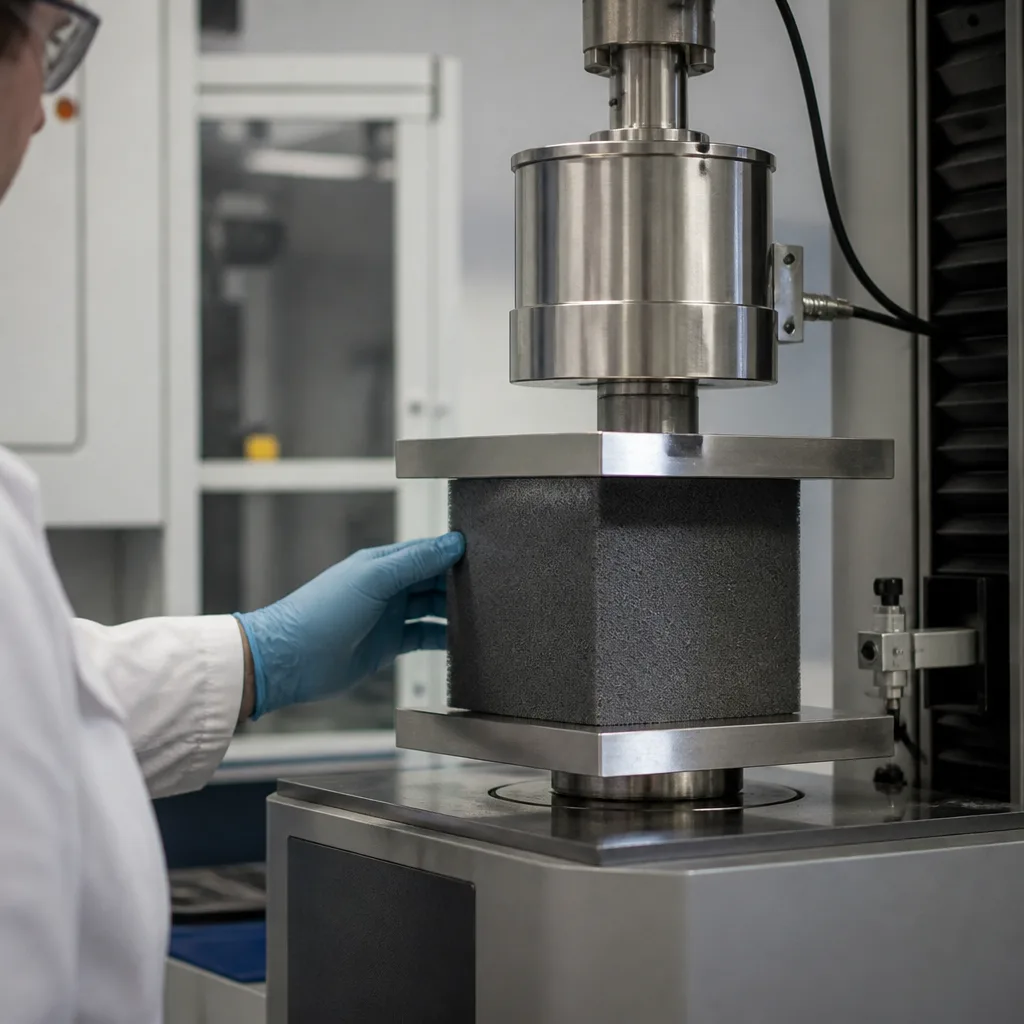
Rather than being a single test, the GMI 60283 standard is divided into multiple sections covering a specific physical or mechanical property of flexible foam materials. These procedures help ensure that materials supplied to General Motors provide consistent performance, durability, safety, and comfort throughout the vehicle's lifespan.
The main objectives of the GMI 60283 standard are as follows:
By requiring suppliers to follow the same procedures, General Motors can compare materials from different manufacturers using objective performance data.
The GMI 60283 standard applies to numerous automotive cellular materials, including:
This standard is commonly used in the following processes:
The GMI 60283 standard is divided into several sub-sections, each addressing a different material property:
These sections provide detailed procedures covering sample preparation, conditioning, test equipment, loading conditions, and calculation methods.
Depending on the applicable department, the GMI 60283 standard may evaluate the following:
These characteristics, taken together, provide a comprehensive understanding of foam quality and long-term performance.
Tests are typically performed using universal testing machines equipped with specialized compression or indentation fixtures. Depending on the specific section of the standard, the test equipment may include:
Tests that comply with the GMI 60283 standard generally follow these steps:
Strict control of environmental conditions is crucial because foam properties are highly sensitive to temperature and humidity.
The GMI 60283 standard is widely used in the evaluation of foams in the following areas:
These components must maintain the comfort and structural integrity of the vehicle over many years of use.
The various advantages provided by the GMI 60283 standard are as follows:
This standard also facilitates communication between original equipment manufacturers, suppliers, and testing laboratories by defining common evaluation methods.
Furthermore, many procedures included in the GMI 60283 standard are technically similar to internationally accepted standards for flexible cellular materials, including the following:
General Motors' specific requirements may include unique sample geometries tailored to automotive applications, conditioning requirements, acceptance criteria, or finished part evaluations.
In automotive manufacturing, foam components play a critical role in vehicle comfort, ergonomics, and safety. Materials that lose their flexibility, harden, or undergo excessive permanent deformation can negatively impact occupant satisfaction and component performance. The GMI 60283 standard helps ensure that foam materials continue to perform as intended throughout the vehicle's lifespan by enabling engineers to identify such issues early in development.
In conclusion, the GMI 60283 standard is a significant engineering standard used for the evaluation of cellular and related materials used in automotive interiors. By providing standardized procedures for measuring density, tensile properties, compressive permanent deformation, indentation stiffness, and other mechanical properties, it helps ensure consistent material quality, reliable supplier competence, and long-term durability of foam components. This standard remains an important tool for manufacturers and testing laboratories involved in the development and validation of automotive interior materials.
For many years, our organization, with its competent and experienced team, has been understanding the needs of its clients, providing the advanced testing services they require, and assisting them in the establishment, implementation, and improvement of management systems. Within this framework, we also provide testing services compliant with the GMI 60283 standard.
To get an appointment, to get more detailed information or to request an evaluation, you can ask us to fill in our form and reach you.

