Cyclic Corrosion Resistance of Ford FLTM BI 123 Automotive Coatings and Components
The Ford FLTM BI 123 standard series, developed by Ford Motor Company (Ford), describes test methods used to evaluate the cyclic corrosion resistance of automotive coatings and components. These standards define how materials should perform under simulated real-world environmental stress.
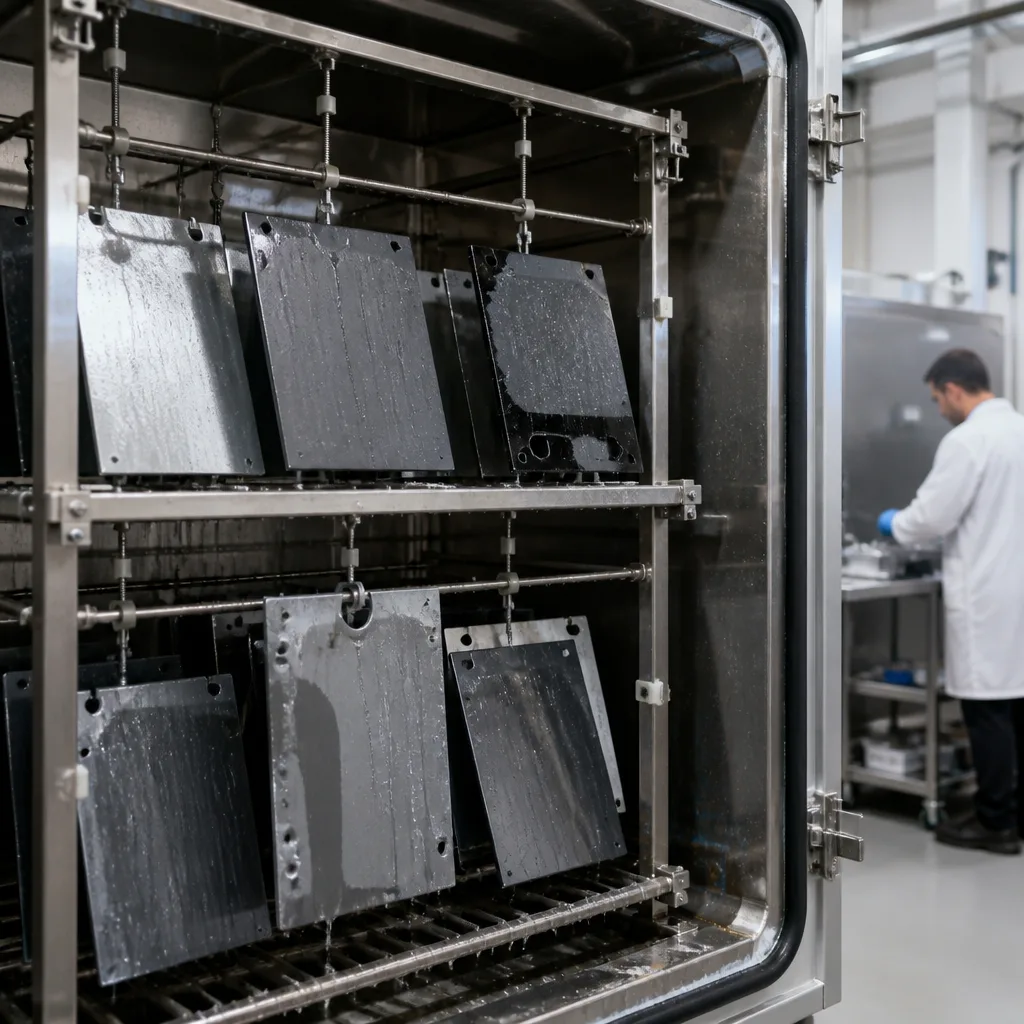
The Ford FLTM BI 123 standard series focuses on accelerated corrosion testing, meaning it reproduces long-term vehicle corrosion effects in a shortened laboratory time.
The primary objectives of the Ford FLTM BI 123 standard series are as follows:
- Evaluating the corrosion performance of paint and coating systems.
- Testing sheet metal and vehicle components.
- Simulating challenging environmental conditions such as these:
- Salt pollution
- Humidity cycles
- temperature changes
- The Arizona test site simulates conditions similar to an accelerated corrosion environment.
Technically, the Ford FLTM BI 123 standard series test methods are designed to simulate Ford's vehicle accelerated corrosion test (CETP 00.00-R-311) conditions.
The Ford FLTM BI 123 standard series comprises the following sub-standards:
- Ford FLTM BI 123-01 Painted Sheet Metal Corrosion Test: This standard defines a test method used to evaluate the corrosion resistance of painted sheet metal components under accelerated, real-world simulated environmental conditions. The purpose of this standard is to assess the long-term corrosion resistance of paint systems under cyclical conditions.
This standard is part of a series of test methods focusing on coating performance, durability, and environmental resistance for automotive materials. The primary objectives of this standard are:
- Evaluating the corrosion performance of painted steel panels.
- To evaluate the durability of coating systems and paint structures.
- To simulate prolonged exposure to harsh environments in a short period of time.
Specifically, it recreates conditions similar to the corrosion environment at the Arizona test site, which Ford uses as a benchmark for real-world vehicle durability.
This standard applies to:
- Painted sheet metal test panels
- Automotive body frame components
- Coated steel structures used on the exterior surfaces of vehicles.
This standard is primarily used in the following situations:
- tool development
- Paint system verification
- Supplier material approval
Ford FLTM BI 123-02 Coated fasteners and small metallic parts: This standard defines a test method used to evaluate the corrosion resistance of coated fasteners and small metallic components under accelerated environmental conditions. The aim of this standard is to prevent corrosion failure in critical fasteners.
This method simulates long-term vehicle corrosion in a shortened laboratory timeframe. The primary objectives of this standard are:
- Evaluating the corrosion performance of coated fasteners.
- To evaluate protective coatings such as these:
- Zinc coatings
- Zinc-nickel coatings
- Organic or hybrid coatings
- Ensuring the durability of small but critical hardware components.
- To prevent failures caused by rust, wear, or coating deterioration.
This is particularly important because fasteners are often hidden but are structurally critical parts of a vehicle.
This standard applies to:
- Bolts and screws
- Nuts, washers, clips
- Brackets and small pressed parts
- Coated metal components used in automotive structures.
These components are typically exposed to the following:
- Road salt spraying
- Humidity and condensation
- temperature cycle
- Wet/dry environmental conditions
Ford FLTM BI 123-03 Component Corrosion Test: This standard defines a laboratory test method used to evaluate the corrosion resistance of complete automotive components under accelerated, cyclical environmental conditions. The purpose of this standard is to assess corrosion resistance under cyclical environmental exposure.
The main objectives are as follows:
- To evaluate the corrosion performance of assembled components.
- Evaluating protective coatings applied to finished parts.
- Simulating real-world conditions such as:
- Road salt exposure
- Humidity and condensation
- Wet/dry environmental cycles
The method described mimics demanding durability conditions similar to accelerated corrosion testing at the Arizona test site.
This standard applies to:
- Complete automotive components (not just panels or fasteners)
- Assemblies made of mixed materials (metal + coatings + plastics)
- Functional parts exposed to environmental corrosion risks.
The elements typically tested include:
- Brackets and mounted components
- External and lower body components
- Joint and sutured subassemblies
- Coated structural hardware
Ford FLTM BI 123 standards are important because they are one of the key cyclic corrosion testing systems Ford uses to predict how vehicle materials will behave over the years in real-world environments. The main reasons why open testing methods are important are:
- It estimates the actual corrosion life of the vehicle.
- Vehicle durability and reliability
- Verifies coatings, materials and suppliers.
- It reduces warranty and repair costs.
- It ensures global environmental compliance.
- It is more realistic than traditional salt spray tests.
- It supports engineering at the systems level (not just material testing).
Other standards associated with the Ford FLTM BI 123 standard series include:
- BI 123-01 Painted sheet metal (flat panels)
- BI 123-02 Coated fasteners and small fittings
- BI 123-03 Complete components and assemblies
In conclusion, the Ford FLTM BI 123 standard series are cyclic corrosion testing standards used to evaluate how well coatings and vehicle components resist corrosion under realistic environmental cycling conditions. These methods are essential for ensuring durability, quality control, and long-term vehicle reliability.
For many years, our organization, with its competent and experienced team, has been understanding the needs of its customers, providing the advanced testing services they require, and assisting them in the establishment, implementation, and improvement of management systems. Within this framework, we also provide testing services compliant with the Ford FL™ BI 123 standard.



