

The “BMW AA 0570 Velvet-coated plastic parts abrasion resistance test” standard, developed by BMW, a multinational vehicle manufacturer, describes a test method specifically designed to determine the abrasion resistance of velvety surfaces on plastic components. Velveting is a finishing process in which short fibers, usually made of nylon, polyester, or similar materials, are electrostatically applied to a substrate (usually plastic parts) to create a soft, velvety, suede-like texture. This is commonly used in automotive interiors in the following areas:
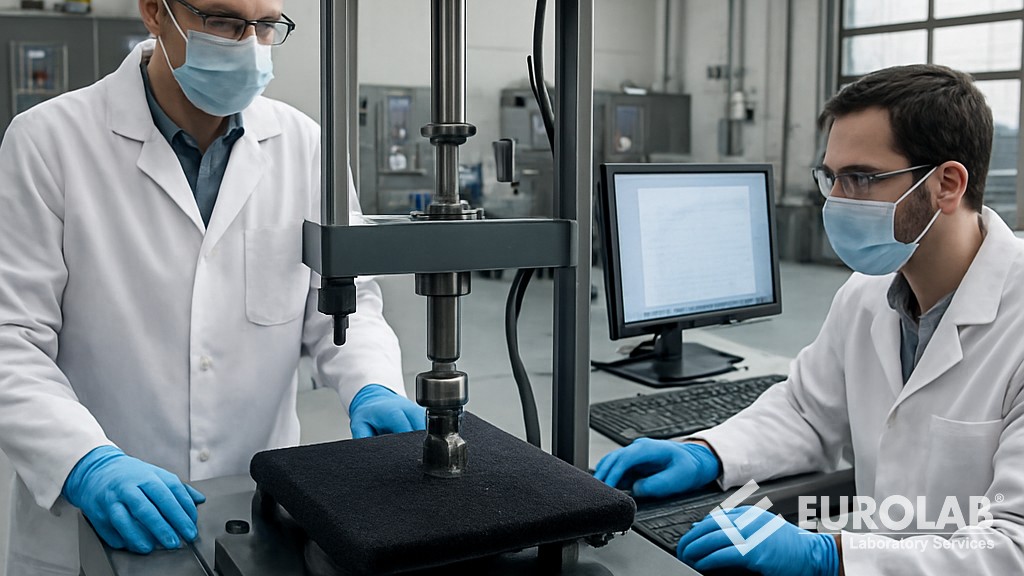
The test evaluates how well the velvety coating withstands repeated mechanical wear, such as from prolonged use, friction from hands or objects, or contact under everyday driving conditions. Poor performance can lead to fiber loss, visible wear, pilling, or deterioration of aesthetic and functional properties.
This testing method focuses on the abrasion or wear resistance of flocked plastic parts. It is a method in the surface testing category within automotive materials and components. It is aimed at ensuring the surface durability of automotive interior materials. This test is listed alongside other “AA” series interior material tests such as:
This test incorporates standardized abrasion equipment (similar to a crockmeter, Taber abrasive device, or special tools defined by BMW), defined cycles/friction force, evaluation criteria (e.g., visual inspection, percentage of fiber loss, color change via grayscale), and acceptance thresholds.
BMW places great emphasis on the perceived quality and long-term durability of interior surfaces. Velvet-covered parts must withstand wear throughout the vehicle's lifespan (typically 10 years or 150.000 km) without shedding fibers or losing their soft appearance. Failure to pass this test may result in supplier rejection, rework, or warranty claims.
According to this standard, tests are carried out by independent accredited laboratories or other organizations specializing in original equipment manufacturer specifications. Suppliers provide samples for verification during the part approval processes. This standard demonstrates BMW's commitment to functional, durable and high-feeling interiors.
In short, the BMW AA 0570 standard is necessary primarily because velvet-covered plastic parts in vehicle interiors face real-world durability issues, and this can directly impact perceived quality, long-term customer satisfaction, and warranty costs for BMW.
The main reasons why this standard is considered necessary are as follows:
Consequently, the BMW AA 0570 standard is in demand because while velvet upholstery may look and feel luxurious when new, it can become a weak point in terms of durability if not rigorously verified. With this test, BMW is implementing high standards that protect both the brand's reputation for engineering excellence and the investment owners make in their vehicles.
For many years, our organization, with its competent and experienced staff, has been understanding the needs of its customers, providing the advanced testing services they require, and assisting in the establishment, implementation, and improvement of management systems. Within this framework, we also provide testing services to businesses in accordance with the "BMW AA 0570 Wear resistance test of velvet-coated plastic parts" standard.
To get an appointment, to get more detailed information or to request an evaluation, you can ask us to fill in our form and reach you.

