

The “BMW PR 315 Contact Analysis and Investigation of Material Matches, Determination of Adhesion-Slip Behavior of Material Matches” standard, developed by BMW, a leading German multinational company in the automotive sector, describes a test method for determining the slip-adhesion behavior of interior material combinations in vehicles.
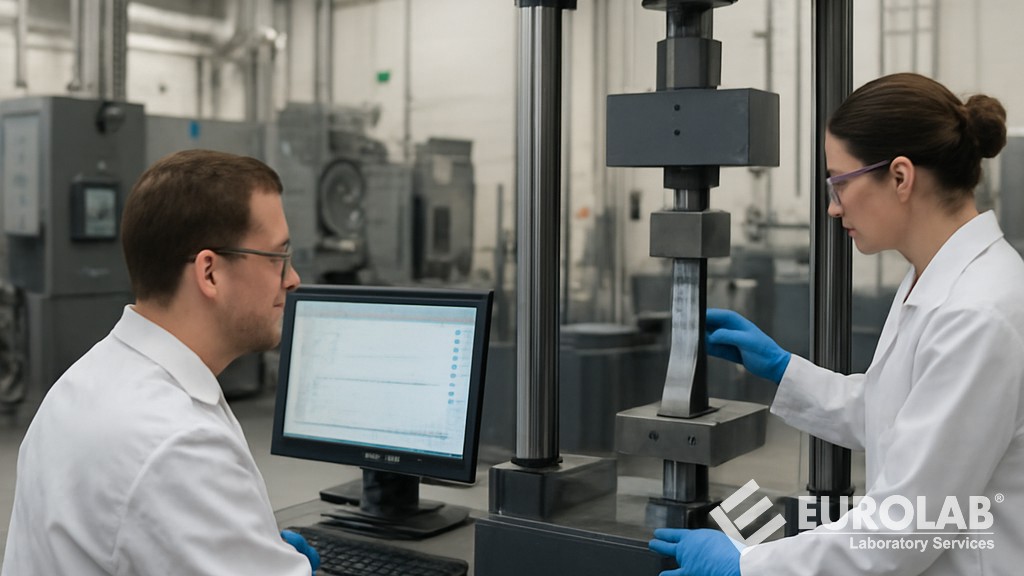
This standard is a test specification used to evaluate the adhesion-slip behavior of material matches in vehicle interiors. Adhesion-slip (the adhesion-slip phenomenon) refers to the unwanted intermittent adhesion and sliding between two surfaces in contact, and can produce unpleasant noises such as squeaking, creaking, or scratching when parts rub against each other, for example, leather seats sliding, instrument panel components moving, or upholstery panels under vibration.
Section 3.6.2.5 of BMW PR 315.1 of this standard specifically addresses leather-on-leather pairings, aiming to prevent noise problems in luxury interiors using leather (e.g. seats, steering wheels, door panels) by testing how leather surfaces interact under friction.
Relevant standards typically include the BMW AA-P 296 standard, which involves wear resistance testing using Abrex equipment, and the BMW GS 97045 standard for painted plastic parts. The BMW PR 315 standard is part of a broader package that includes BMW PR 380, BMW PR 384, and similar standards for environmental, wear, and climate testing.
In high-end vehicles like BMW, interior quietness and perceived quality are critical. Especially in electric vehicles (where there is no engine noise) or during low-speed driving, skidding or sticking noises can significantly negatively impact the luxury experience. The BMW PR 315 standard is used for these purposes:
Tests typically involve specialized equipment to measure coefficients of friction, apply controlled pressure and motion, and detect audible or measurable slippage events.
This standard applies to all internal components, including those listed below:
For BMW-approved suppliers, compliance with the BMW PR 315 standard is mandatory (along with relevant standards such as BMW GS 97034 for wear or BMW GS 97038 for combustion behavior). Non-compliance may result in the rejection of parts.
The BMW PR 315 standard is important because it directly addresses one of the most common sources of customer dissatisfaction in premium vehicles: unwanted interior noises such as squeaking, creaking, and rattling. The underlying cause is that stick-slip causes these unpleasant noises. Standard tests are performed for stick-slip behavior in material matches where two contacting surfaces (e.g., leather on leather, plastic on plastic, or fabric on upholstery) alternately stick together (due to high static friction) and then suddenly slide apart (when kinetic friction is lower). This sudden movement produces audible vibrations and frictional noises, especially in the following cases:
In luxury cars like BMWs, these subtle sounds are quite noticeable, especially in electric or high-end models where engine/road noise is minimal.
The main reasons why this standard is considered important are:
In conclusion, the BMW PR 315 standard helps deliver the expected quiet and high-quality cabin, preventing minor disturbances from undermining the overall premium ownership experience.
For many years, our organization, with its competent and experienced team, has been understanding the needs of its clients, providing the advanced testing services they require, and assisting them in the establishment, implementation, and improvement of management systems. Within this framework, we also provide testing services in accordance with the BMW PR 315 standard.
To get an appointment, to get more detailed information or to request an evaluation, you can ask us to fill in our form and reach you.

