

The band saw method, described in the “BMW PA-N 150 Determination of effective pile mass, effective pile thickness and stitch density per unit area on the support surface of carpets and mats by band saw method” standard developed by BMW, a multinational vehicle manufacturer, is a standardized test procedure used in the textile industry to evaluate the basic properties of carpets and mats, especially those made of fluffy or pile yarn.
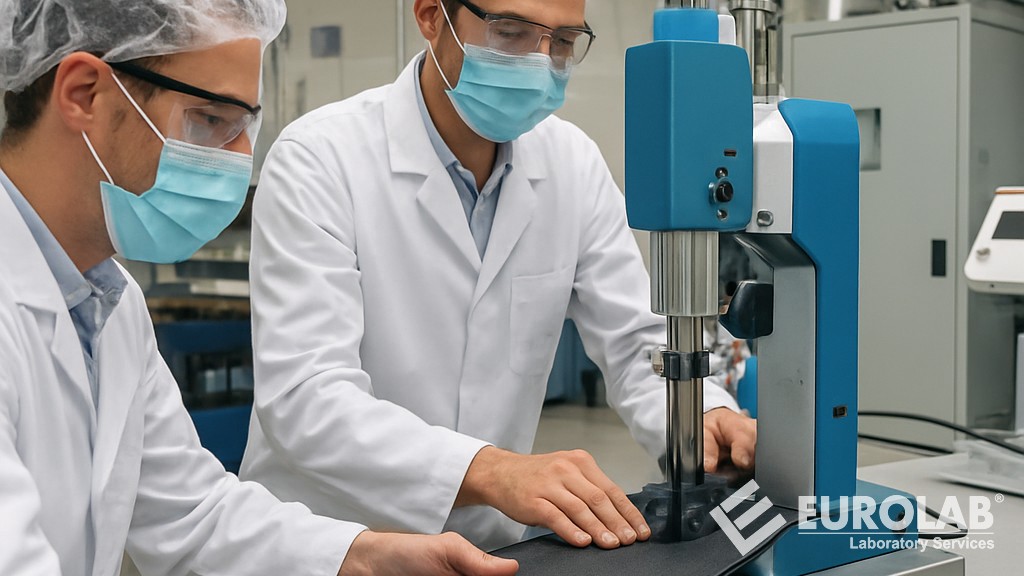
This method focuses on measuring the effective pile mass per unit area on the backing (substrate) by cutting the pile (straight-ply fibers) from the backing. Related properties such as effective pile thickness (also known as pile height) and stitch ratio are often evaluated together or separately using complementary methods, as they contribute to the overall carpet quality, durability, and performance.
This method is essential for quality control in production, compliance with certification schemes, and environmental or performance guidelines. This method is also included in other international standards. For example,
The method for determining the effective pile mass per unit area on the support measures the mass (weight) of the pile yarn per square meter (typically g/m²) extending on the support. It represents the usable or effective pile that can be cut, excluding yarns embedded in the support. This is crucial for evaluating abrasion resistance, density, and material efficiency.
In determining effective pile thickness (pile height), effective pile thickness refers to the height of the pile above the substrate and affects comfort, insulation, and cleanability. It is not always directly integrated into the cutting method, but can be measured before cutting to correlate with mass. At this point, standards such as “ASTM D6859 Standard test method for pile thickness of finished flat pile yarn floor coverings” or “ISO 1766 Textile floor coverings – Determination of pile thickness above the substrate” are commonly used.
In determining the stitch ratio, the stitch ratio (also called the number of loops per unit length) measures the number of yarn insertions along the length of the carpet and affects its density and strength. It is usually determined separately, but can also be assessed on the cut back surface for clarity, as removing the pile reveals the loops. This is addressed in standards such as “ISO 1763 Textile floor coverings – Determination of loops and/or number of loops per unit length and unit area” or as part of production specifications.
The BMW PA-N 150 standard is a specific test procedure primarily used in the quality control or specification testing of BMW vehicle floor mats (or supplied carpeted floor coverings). This method determines the effective pile mass per unit area above the backing surface. This is a key parameter for evaluating the quality, durability, density, and material content of the pile (top fiber/yarn layer) in tufted or woven automotive floor mats. It ensures that the mats meet BMW's requirements for wear resistance, appearance protection, and performance in vehicle interiors.
BMW offers original floor mats (carpet-type velvet or all-weather rubber options) as accessories or original equipment. Carpet versions include:
The effective pile on the backing excludes any yarn embedded in or beneath the backing/substrate and considers only the exposed, functional pile that comes into contact with the feet and contributes to comfort, sound absorption, and dirt retention. This test is particularly important for:
In short, the band blade cutting method follows principles similar to automotive textile standards (e.g., ISO 8543, DIN EN ISO 4919, or manufacturer-specific adaptations as found in original equipment manufacturers' guidelines), but has been adapted to BMW's precision requirements. The band blade ensures a clean, parallel cut very close to the fabric, without damaging the fabric or leaving residual lint.
This standard is considered important for the following reasons:
To fully characterize the mat, it should be evaluated in conjunction with other tests (pile height with compression gauge, pile bonding, color fastness, abrasion according to Martindale or Taber, seam ratio).
The BMW PA-N 150 standard includes precise tolerances, sample size, conditioning details, blade settings, and deviations from general standards such as ISO 8543.
For many years, our organization, with its competent and experienced team, has been understanding the needs of its clients, providing the advanced testing services they require, and assisting them in the establishment, implementation, and improvement of management systems. Within this framework, we also provide testing services in accordance with the BMW PA-N 150 standard.
To get an appointment, to get more detailed information or to request an evaluation, you can ask us to fill in our form and reach you.

