

Developed by BMW, a multinational vehicle manufacturer, the “BMW AA P 107 Reflectivity (Brightness)” standard is one of several internal test standards developed by the BMW Group to evaluate materials, components, and surface coatings in automotive applications. BMW has a comprehensive catalog of standards that suppliers and test laboratories must adhere to ensure parts meet the company’s stringent quality, durability, and appearance requirements.
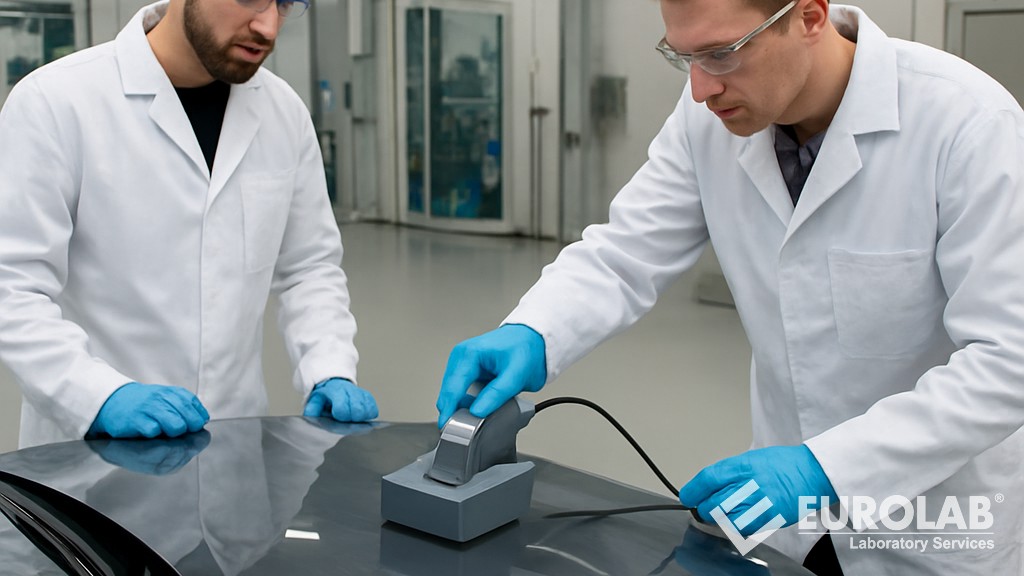
The BMW AA P 107 standard describes a method for determining the reflectometer value. This is a measurement of gloss or specular reflectivity (brightness or luminosity). The reflectometer value measures how much light is reflected from a surface, which is directly related to the perceived gloss level. It is commonly used to ensure consistent appearance quality of painted, coated, or decorated surfaces (e.g., interior trim, exterior paint, plastics, leather, or other visible components). The test involves a reflectometer device that measures reflection at specific angles (typically 60-degree geometry, similar to international gloss standards such as ISO 2813 or ASTM D523, but adapted to BMW's criteria).
The BMW AAP 107 standard is included in BMW's comprehensive list of test methods for automotive components, along with related standards such as the following:
These standards are part of BMW’s broader material and surface approval process for suppliers. They help verify that parts maintain their aesthetic and functional integrity under real-world conditions such as light exposure, cleaning, or mechanical stress. Test laboratories perform these tests, typically in accordance with BMW’s supplier requirements, to support part qualification.
Gloss/reflectometer testing ensures visual consistency between vehicles. This is critical for premium brands like BMW, where the quality of interior and exterior surfaces greatly contributes to perceived luxury. Deviations in gloss can indicate problems with paint formulation, coating application, or material degradation.
The BMW AAP 107 standard is essential because it provides an objective, repeatable, and standardized method for measuring and controlling the gloss (reflectometer value) of surfaces on vehicle components. This ensures consistent superior appearance, brand quality, and customer satisfaction in the highly competitive luxury automotive market.
The main reasons why this standard is considered necessary are as follows:
Objective data supports pass/fail decisions during supplier qualification assessments, incoming vehicle inspections, and final vehicle inspections.
In conclusion, the BMW AAP 107 standard is not merely a testing method, but a critical tool in BMW's quality assurance system that protects the brand image, reduces warranty claims stemming from appearance complaints, simplifies supplier responsibility, and ensures a consistent, flawless appearance that defines a premium vehicle. Without this standard, achieving a uniform BMW shine across vehicles would be much more difficult and prone to variability.
For many years, our organization, with its competent and experienced team, has been understanding the needs of its clients, providing the advanced testing services they require, and assisting them in the establishment, implementation, and improvement of management systems. Within this framework, we also provide testing services in accordance with the BMW AAP 107 standard.
To get an appointment, to get more detailed information or to request an evaluation, you can ask us to fill in our form and reach you.

