

ISO 6722-1 Road Vehicles - 60 V and 600 V Single-Core Cables - Part 1: Copper Conductor Cables
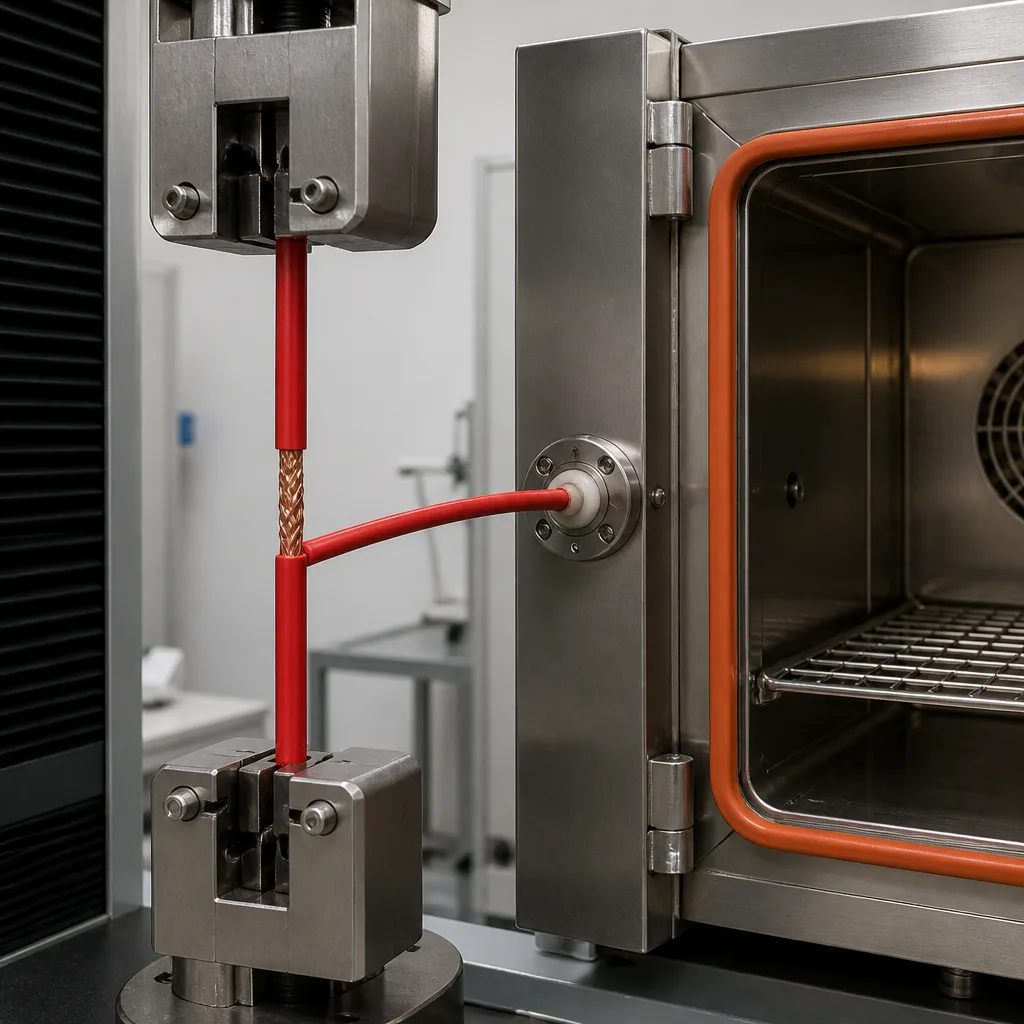
The ISO 6722-1 Road vehicles - 60 V and 600 V single-core cables - Part 1: Dimensions, test methods and requirements for copper conductor cables, published by the International Organization for Standardization (ISO), describes the dimensions, test methods and requirements for single-core 60-volt cables designed for use in road vehicle applications where the nominal system voltage is a maximum of 60 Volts direct current or 25 Volts alternating current. This standard also includes additional test methods or requirements for 600-volt cables designed for use in road vehicle applications where the nominal system voltage is between a minimum of 60 Volts direct current or 25 Volts alternating current and a maximum of 600 Volts direct current or 600 Volts alternating current. This standard also applies to individual cores in multi-core cables.
The ISO 6722-1 standard contains the requirements for copper conductor cables.
This standard is an internationally accepted standard for electrical wiring used in road vehicles. It specifies dimensions, performance requirements, and test methods for single-core copper conductor cables operating at 60 Volts and 600 Volts, ensuring their reliability under the harsh environmental conditions encountered in automotive applications.
The ISO 6722-1 standard applies to the following:
This standard covers the cable itself, not complete cable harness assemblies or connectors.
The main objectives of the ISO 6722-1 standard are as follows:
The ISO 6722-1 standard specifies requirements for various critical characteristics. The basic requirements are defined in this standard as follows:
These requirements ensure low electrical losses while maintaining mechanical durability.
Various insulation materials can be used, provided they meet the specified performance criteria.
Automotive cables operate under extremely diverse environmental conditions. The ISO 6722-1 standard classifies cables according to their continuous operating temperature capacity, allowing manufacturers to select suitable cables for the following types of applications:
Higher temperature ratings are required near engines, exhaust systems, and electrical drive components.
The ISO 6722-1 standard includes comprehensive laboratory tests to verify cable performance. Typical test methods include:
Cables conforming to the ISO 6722-1 standard are commonly used in the following areas:
Using cables that conform to the ISO 6722-1 standard offers several advantages:
The ISO 6722-1 standard is widely adopted by the following sectors:
The ISO 6722-1 standard is often used in conjunction with other automotive standards that regulate the following topics:
Together, these standards help ensure the safety and reliability of modern vehicle electrical systems.
Modern vehicles contain thousands of electrical connections that must function reliably for many years despite exposure to heat, vibration, humidity, chemicals, and mechanical stress. The ISO 6722-1 standard defines uniform design, material, and testing requirements for automotive wiring, reducing the risk of electrical failures that could affect critical systems such as lighting, braking, engine management, and high-voltage power distribution.
In conclusion, the ISO 6722-1 standard is one of the most important international standards for automotive electrical wiring, helping manufacturers produce safe, durable, and reliable electrical systems by defining standardized dimensions, rigorous testing methods, and minimum performance requirements for copper conductor cables used in both conventional and electric vehicles.
For many years, our organization, with its competent and experienced staff, has been understanding the needs of its clients, providing the advanced testing services they require, and assisting them in the establishment, implementation, and improvement of management systems. Within this framework, we also provide testing services compliant with the ISO 6722-1 standard.
To get an appointment, to get more detailed information or to request an evaluation, you can ask us to fill in our form and reach you.

