

The “BMW PR 401 Tendency to Felt in Velvet and Dilour Carpet Materials” standard, developed by BMW, a leading German multinational company in the automotive sector, describes a specific internal testing method designed to evaluate the tendency (or pilling/felting resistance) of velvet and dilour carpet qualities used in vehicle interiors. Dilour carpet is a type of carpet with a pile (fuzzy) surface, generally produced with acrylic, polyester, or wool blend yarns. It gets its name from its soft and full texture.
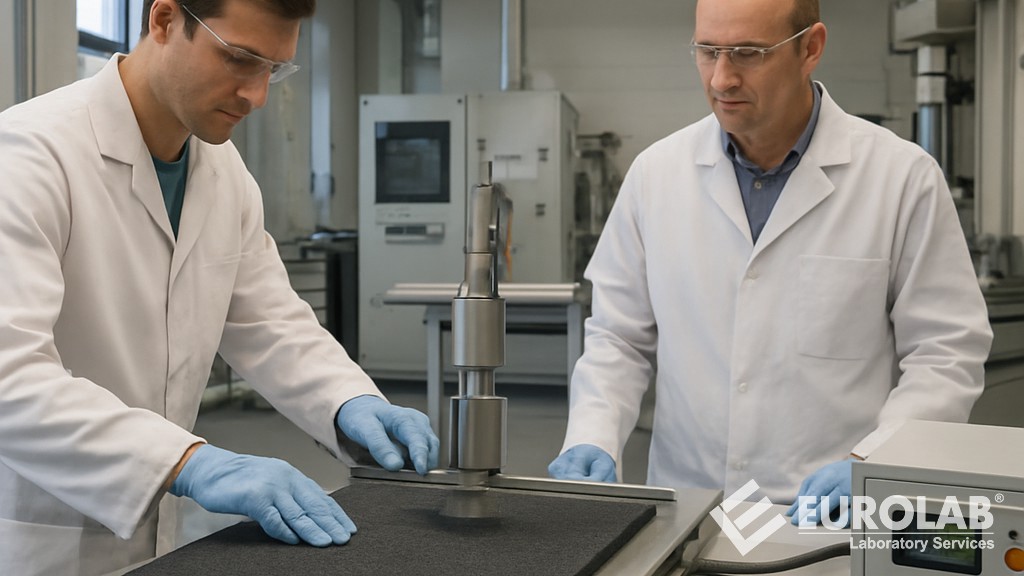
In automotive textiles, felting occurs when fibers in velvet or similar pile fabrics become entangled, felted, or pilled over time due to friction, abrasion, wear, and mechanical stress. This is a common problem for car mats, trunk liners, and other carpeted surfaces exposed to foot traffic, cleaning, and environmental influences. Poor felting resistance leads to an unsightly, worn appearance, reduced durability, and potential customer complaints.
The BMW PR 401 standard test method simulates real-world wear to assess how well these materials resist felting. This is part of BMW’s broader material approval and quality control process for interior textile suppliers. This method determines the tendency of pile fabrics (velvet/dilour) to felt or pill under controlled mechanical stress. This method is primarily for automotive interior carpets, floor coverings, and other velvet-based textiles.
This standard is consistent with broader automotive textile standards. It typically involves abrasion simulation (friction/friction cycles) followed by visual and tactile assessment of surface changes, pilling formation, and felting of fibers. The results help determine whether a material meets the durability and appearance preservation requirements for approval.
BMW places great emphasis on superior interior quality and long-term durability. Interior materials must withstand years of use without visual or functional deterioration. Suppliers must pass tests such as BMW PR 401 to ensure their fabrics are approved for use. This standard is part of the certification process for automotive textiles.
Velour and dilour carpets are pile (fuzzy) carpets known for their comfort and elegant surface. They are often confused because they feel similar underfoot, but they have some technical and visual differences. Velour and dilour refer to two common types of pile-surfaced textiles used in vehicle floor coverings, trunk linings, and other interior applications. They create a particularly luxurious cabin feel. Both are tested for pilling/felting resistance according to standards such as BMW PR 401 due to their pile structure.
Velour is a type of cut-pile carpet, usually produced using a spray method. It creates a soft, fluffy, velvet-like surface. The dense, even, plush pile provides a soft and luxurious velvety feel and a high-quality look that enhances interior aesthetics. It is typically made from 100% polypropylene or polyester.
Dilour is a needle-punched nonwoven fabric that creates a velvet-like pile surface by fluffing the fibers through a special finishing process. It's not fluffy, but has a mechanically intertwined structure. Its appearance is velvet-like but slightly less uniform than fluffy velvet. There are no actual cut/looped fibers; the fibers are needle-punched and then fluffed to create a dense, fluffy surface. It is primarily produced from polyester, polypropylene, and blends thereof.
Both materials prioritize durability, cleanability, and appearance retention in automotive applications, but velvet is more prone to plushness, while dilour emphasizes practical longevity and moldability. In BMW PR 401 standard tests, both are evaluated on how well they resist felting under simulated wear.
The BMW PR 401 standard is a critical part of the rigorous material qualification and quality assurance process applied to velvet and dilour carpet materials, particularly those used in floor coverings, boot linings, loading floors, and other high-wear areas. The importance of this standard stems from several key factors in the premium automotive sector:
This standard's accelerated wear simulation accurately predicts long-term behavior, helping to select materials that maintain performance without excessive degradation.
For many years, our organization, with its competent and experienced team, has been understanding the needs of its clients, providing the advanced testing services they require, and assisting them in the establishment, implementation, and improvement of management systems. Within this framework, we also provide testing services in accordance with the BMW PR 401 standard.
To get an appointment, to get more detailed information or to request an evaluation, you can ask us to fill in our form and reach you.

