

The “BMW AA 0349 Stackability of Damping Pads” standard, developed by BMW, a multinational vehicle manufacturer, describes a method for evaluating how well certain automotive materials, coatings, or components (especially interior trim parts, painted surfaces, plastic components, or leather/textile elements) can be stacked during production, storage, or transport without sustaining damage such as scratches, pressure marks, deformation, or surface damage.
In high-volume production environments like BMW's assembly lines, parts are often stacked on pallets or in containers for efficient logistics. Poor stackability can lead to:
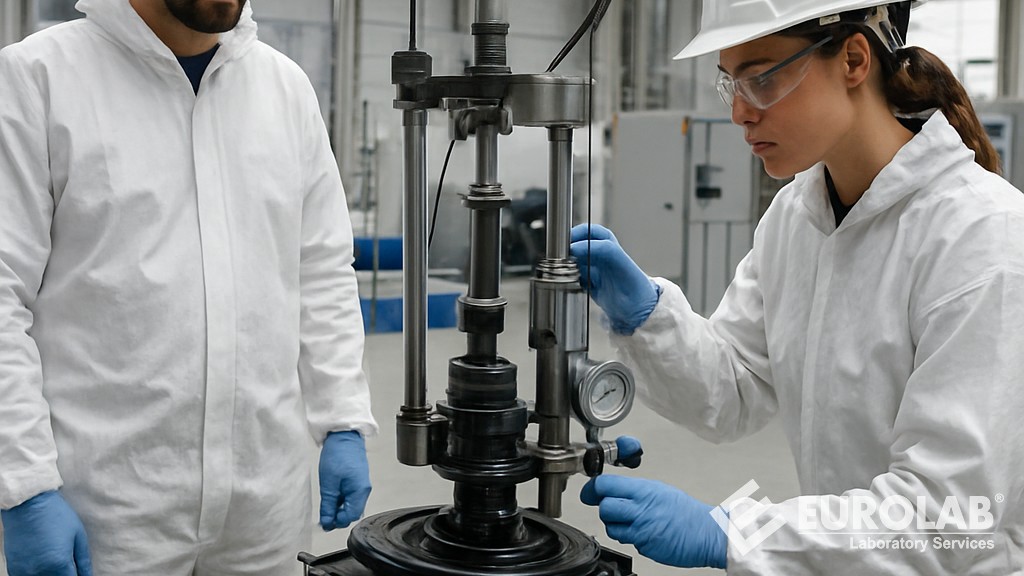
The BMW AA 0349 standard test method simulates real-world stacking conditions, including applied pressure, duration, temperature/humidity variations, and contact between the same or different materials. This standard helps suppliers qualify materials to meet BMW's stringent requirements for series production approval (production part approval process).
This procedure primarily involves the following:
The BMW AA 0349 standard is included in BMW's automotive component testing lists and is provided by third-party laboratories that certify parts for BMW. It is part of a broader family of “AA” series methods that focus on surface durability and handling characteristics, ensuring interior and exterior trim maintains a superior look and feel throughout the supply chain and vehicle life. For BMW suppliers, engineers, or quality professionals involved with material approvals, this standard is one of many checkpoints required before parts are integrated into specific models or electric vehicles.
In the automotive industry, especially for a high-end brand like BMW, maintaining flawless surface quality on visible (Class A) interior and exterior components is an undeniable requirement. The BMW AA 0349 standard was designed because real-world manufacturing, logistics, and supply chain processes subject materials to stacking stresses that can easily lead to irreversible cosmetic or functional damage if materials are not properly designed and qualified.
The main reasons why this standard is necessary are as follows:
Without proven stackability, even moderate pressure + time + vibration can leave marks, scratches, stains, or deforms on premium surfaces.
This standard ensures that materials resist stacking marks (pressure marks or nesting marks) under simulated worst-case conditions, thus preserving the excellence promised by BMW.
Qualifying materials through this standard during the approval process (e.g., in product part approval) prevents costs in later stages. Testing and specifying sound materials beforehand is much cheaper than correcting quality problems later.
This standard includes an assessment of such contact damage and helps engineers select compatible material combinations.
In conclusion, the BMW AA 0349 standard is not merely a bureaucratic test, but a direct response to the practical challenges of delivering excellent premium finishes through a complex, high-volume global supply chain. Without this test, the risk of visible defects reaching customers would be far higher, eroding both the perception of quality and profitability.
For many years, our organization, with its competent and experienced team, has been understanding the needs of its clients, providing the advanced testing services they require, and assisting them in the establishment, implementation, and improvement of management systems. Within this framework, we also provide testing services in accordance with the BMW AA 0349 standard.
To get an appointment, to get more detailed information or to request an evaluation, you can ask us to fill in our form and reach you.

