

The “PSA D47 5099 Resistance of sound insulation materials under the hood to liquids (cataplasm method)” standard, developed by the French car manufacturer PSA Group (now part of Stellantis), aims to evaluate the resistance of sound insulation materials under the hood to various liquids (such as oil, water, diesel, and antifreeze) that are likely to damage them. More specifically, it concerns layered filler compounds, nonwoven filler, and layered polyurethane foam.
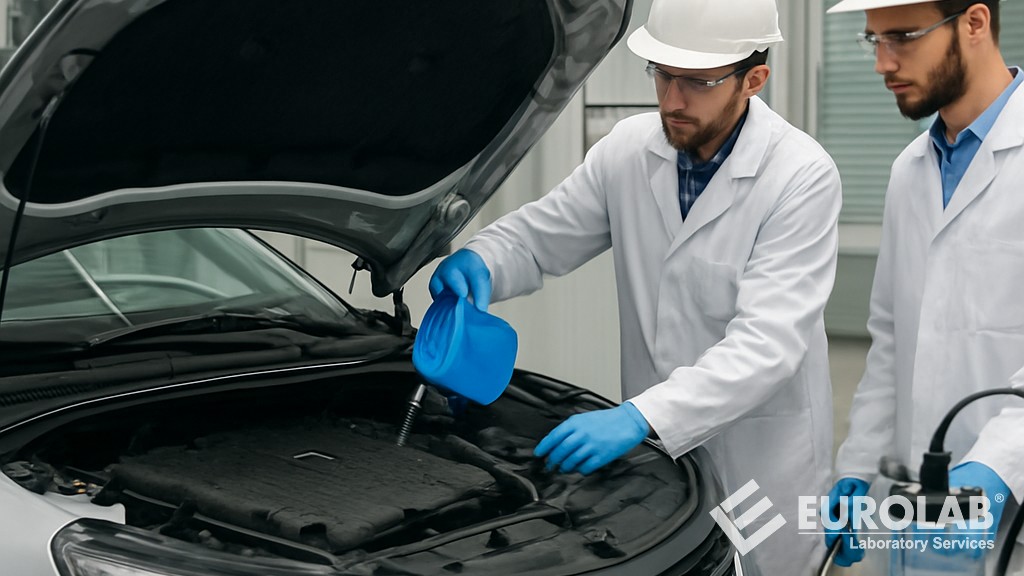
The principle behind this standard is to accelerate the action of the selected liquid on the material layers and keep them in contact within a polyethylene bag.
The equipment and reagents used in this standard are as follows.
When preparing test samples, samples of sound insulation material are taken in sizes ranging from 120 x 200 mm to plus/minus 1 mm. The number of test samples depends on the number of fluids to be tested.
The methodology of this test is as follows:
All changes in appearance on the selected surface for testing are noted: dissolution, swelling, cracking, discoloration, etc. Possible damage to other components that may originate from the edges of materials in contact with the liquid is disregarded.
In the fast-paced automotive manufacturing world, ensuring the longevity and quality of vehicle interiors is paramount. Materials used in car seats, instrument panels, and upholstery must withstand daily wear and tear, environmental factors, and chemical exposures without deterioration or staining. This is where the PSA D47 5099 standard comes in, focusing on evaluating the stain resistance of materials to specific liquids, particularly those from chemical heating pads. This standard plays a crucial role in maintaining the aesthetic and functional integrity of automotive components and helps manufacturers meet rigorous quality criteria.
The PSA D47 5099 standard specifically targets scenarios where heated chemical elements, commonly found in seat heaters or portable heating devices, could interact with upholstery or plastics, causing discoloration or material degradation.
The PSA D47 series of standards arose from the need for standardized test protocols within the automotive industry. As vehicles evolved from basic means of transportation to sophisticated living spaces, interior materials came under increasing scrutiny. Liquids, such as those in heating pads (which often contain glycol or other chemicals), can penetrate fabrics or coatings under heat, causing unsightly stains or weakening of structures.
The PSA D47 5099 standard is based on standards such as ASTM D47 1020 (color fastness to water, seawater and sweat) and D47 1924 (occasional contact with automotive fluids).
In an age of advanced comfort features such as electric vehicles and integrated seat heaters, this standard remains relevant. It ensures reliable performance even with innovative materials like eco-friendly synthetics or antimicrobial fabrics.
The PSA D47 5099 standard essentially aims to simulate exposure to staining agents in a controlled environment. The test evaluates how well a material resists discoloration or degradation when it comes into contact with liquids from chemical heating pads. These pads, used for comfort, release vapors or liquids that can penetrate porous surfaces.
The main objectives are as follows:
This standard applies to a wide variety of materials:
This is especially crucial for luxury furnishings where aesthetic consistency is the selling point.
The PSA D47 5099 standard method is a methodical and reproducible approach designed for laboratory accuracy. Its basic steps are as follows:
For many years, our organization, with its competent and experienced team, has been understanding the needs of its clients, providing the advanced testing services they require, and assisting them in the establishment, implementation, and improvement of management systems. Within this framework, we also provide testing services compliant with the PSA D47 5099 standard.
To get an appointment, to get more detailed information or to request an evaluation, you can ask us to fill in our form and reach you.

