

Developed by BMW, a multinational vehicle manufacturer headquartered in Germany, the standard "BMW GS 97034-6 Surface testing of motor vehicle interior materials - Soiling behavior and cleaning ability" describes soiling behavior and cleaning ability. This standard applies to painted, coated, uncoated, and laminated surface materials.
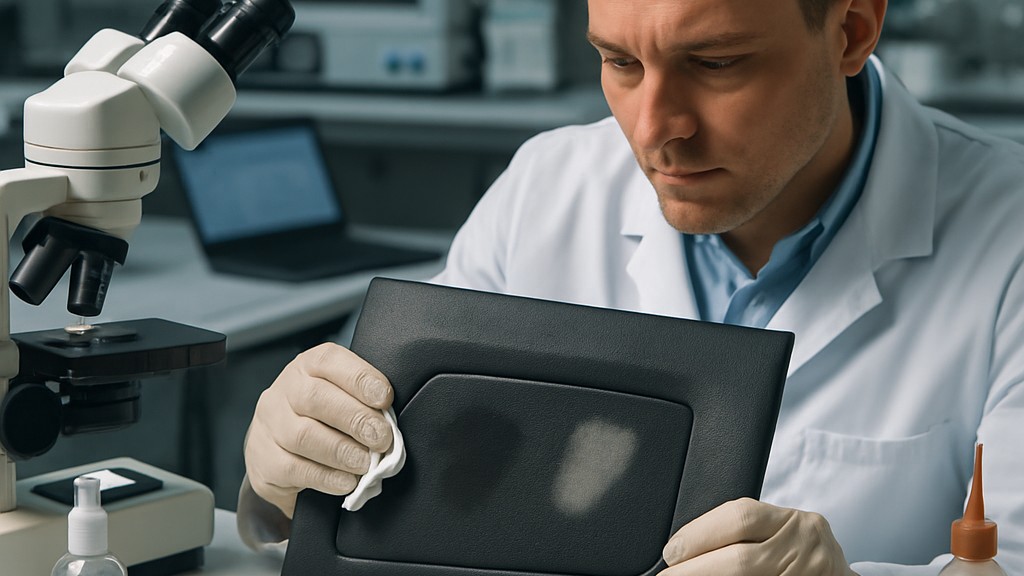
The purpose of this standard is to define a standard test for material suitability. The definition of the components to be tested must be determined in agreement with the materials and process technology department.
The test methods defined in this standard are:
Test procedure A is used to determine fouling behavior and cleaning ability using an abrasion tester (A) in accordance with DIN EN 60068-2-70. Test procedure B is used to determine fouling behavior and cleaning ability using a Martindale abrasion tester (B). Test procedure C is used to determine fouling behavior and cleaning ability using a Crockmeter.
In the world of automotive engineering, where every detail contributes to the driving experience, BMW stands out for its meticulous standards. One such standard, BMW GS 97034-6, plays a crucial role in maintaining the flawless appearance of vehicle interiors. This technical standard focuses on the soiling behavior and cleaning ability of materials used in vehicle interiors, ensuring that surfaces, from dashboards to door panels, are resistant to dirt, stains, and daily wear and tear, while also being easy to maintain. As electric vehicles and sustainable materials become more widespread, understanding GS 97034-6 and similar standards is becoming increasingly important for manufacturers and suppliers.
The BMW GS 97034-6 standard is part of a broader series of BMW standards that include test protocols for automotive components. This standard specifically addresses surface tests to evaluate the soiling resistance and cleanability of interior materials. It applies to a wide variety of surfaces, including painted, coated, uncoated, and laminated materials commonly found in passenger compartments.
The aim of this standard is to simulate real-world conditions where interiors are exposed to dirt, oil, and abrasives from occupants, clothing, and environmental factors. By defining rigorous testing methods, the GS 97034-6 standard ensures that BMW vehicles maintain their luxurious and flawless aesthetics over time. Unlike more general international standards, this standard is specific to original equipment manufacturers. The latest update to this standard includes improved procedures for modern materials such as recycled plastics and vegan leathers.
The GS 97034-6 standard outlines two main procedures (Procedure A and Procedure B) designed to simulate different contamination scenarios. These tests are typically performed in accredited laboratories using specialized equipment, ensuring repeatability and accuracy:
Test samples must be prepared meticulously. Flat panels (typically 10 cm x 10 cm) cut from production materials are stored in inert containers to prevent contamination prior to testing.
The challenge with these methods is balancing aesthetics with environmental friendliness, as some natural materials are more susceptible to contamination. However, advances in nanotechnology are closing this gap and often exceeding the GS 97034-6 criteria.
As vehicles become smarter and more connected, standards like the BMW GS 97034-6 will evolve to include touchscreens and haptic surfaces.
Our organization, with its competent and experienced team, has been understanding the needs of its customers for years, providing them with the advanced testing services they need, and assisting them in the establishment, implementation, and improvement of management systems. In this context, we also provide testing services in accordance with the "BMW GS 97034-6 Surface testing of motor vehicle interior materials - Soiling behavior and cleaning ability" standard.
To get an appointment, to get more detailed information or to request an evaluation, you can ask us to fill in our form and reach you.

