

The standard “Hyundai MS300-55 Determination of volatile organic compounds (VOC) - Test method for determination of VOC emissions from vehicle interior parts” developed by Hyundai Motor Company describes a measurement process used to determine the emission of volatile organic compounds (VOC) from molded parts in the vehicle interior. This test method includes detailed analysis with a sensitive instrument and is classified as simple measurement with a gas monitor.
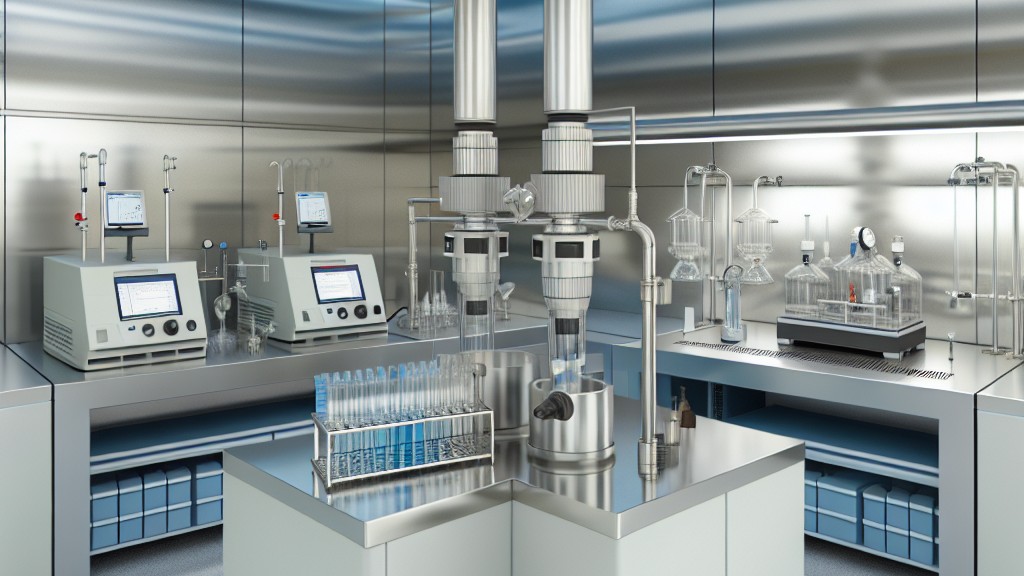
This standard is applied to measure the VOC emission of separated parts or parts that cannot be tested assembled. In the case of assembled parts, the standard “Hyundai MS300-57 Determination of VOC emission in 1 m3 test chamber - Test method for VOC emission from parts assembly” is applicable.
The Hyundai MS300-55 standard includes a table containing the VOC emission limit for each component. This table shows the emission (μg/m3) values for benzene, toluene, ethylbenzene, xylene, styrene, formaldehyde, acetaldehyde and acrolein compounds.
In addition, the emission limit in this standard with simple measurement is determined as 5 ppm for total volatile organic compounds and 2 ppm for formaldehyde.
Test samples must be in the same condition as on the assembly line and must be in transit from production to the test room within 72 hours. The sample must be wrapped in vinyl (polyethylene or similar materials) or aluminum to prevent cross-contamination. The sample is exposed to the atmosphere and its temperature is maintained at 23 degrees plus/minus 2 degrees prior to testing.
For samples requiring cutting, a stabilization period after preparation (cutting) is provided. The stabilization period must be within 72 hours from production to testing. However, in the case of ABS composites, a stabilization period of at least 48 hours must be provided. Stabilization must be carried out in a location that meets the conditions of this standard and contaminants must be removed from the sample.
Unless otherwise stated, standard test conditions shall be 23 degrees plus/minus 2 degrees temperature and 50 percent plus/minus 5 percent relative humidity.
When performing analyses, a sample taken from the sample placed in the sampling bag is heated to the specified temperature and then the gas in the sampling bag is collected to measure the test concentrations. By comparing the test concentration with the corresponding blank concentrations, the sampling bag values of volatile organic compounds (VOCs), formaldehyde and other carbonyl compounds emitted from a test sample can be calculated.
The main equipment used in these tests includes:
Our organization has a strong staff that closely follows the developments in the world in the field of science and technology and constantly improves itself. Among the numerous test, measurement, analysis and evaluation studies provided for businesses in various sectors, there are also test services in accordance with the standard “Hyundai MS300-55 Determination of volatile organic compounds (VOC) - Test method for determination of VOC emissions from vehicle interior parts”.
To get an appointment, to get more detailed information or to request an evaluation, you can ask us to fill in our form and reach you.

