

The “DAF KEUR 00822-115 Coating materials - Determination of aging resistance” standard, developed as part of the official approval or certification process for parts, materials, or processes used in trucks manufactured by DAF, a Dutch truck manufacturer, evaluates how well materials resist degradation due to environmental factors such as heat, light, oxygen, and humidity by simulating long-term use in the interior or exterior of the truck.
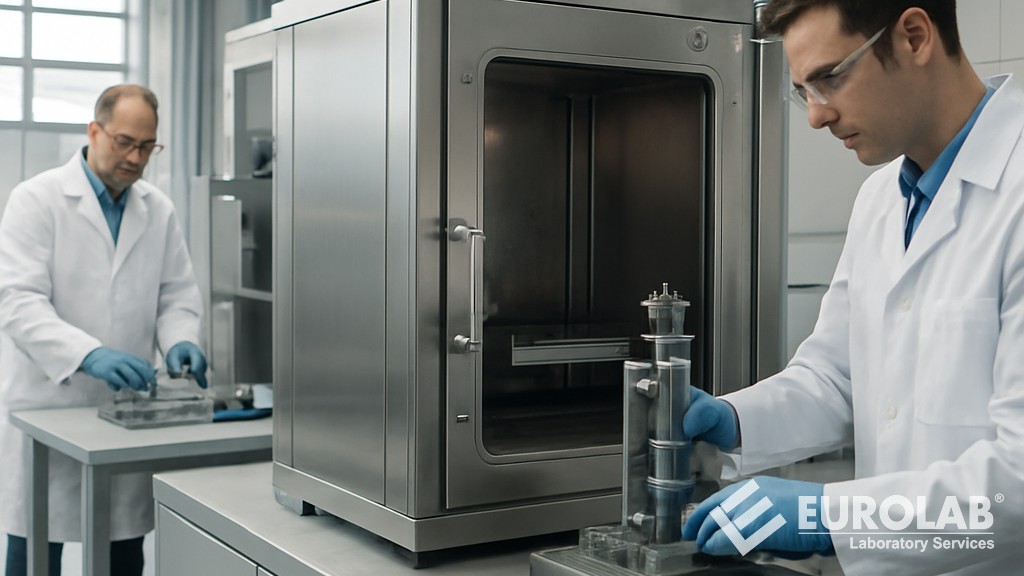
The purpose of this standard is to evaluate changes in appearance, mechanical properties, color, gloss, or other characteristics after exposure to accelerated aging.
Common applications include interior trim panels, textiles, plastics, painted/coated surfaces, and other cladding materials in DAF truck cabs.
This standard includes multiple methods (e.g., Method 1, Method 2, etc.). Test laboratories often refer to specific sections, such as Method 1. This involves visual assessment after aging exposure. This may include accelerated weathering exposure, heat aging, or combined environmental simulations.
The evaluation process primarily involves visual inspection for defects such as cracking, fading, chalking, brittleness, or discoloration. In some contexts, the visual assessment of painted surfaces is compliant with or referenced to international standards such as “DIN EN ISO 3668 Paints and varnishes - Visual comparison of paint colours”. In other cases, tests are carried out in conjunction with visual inspections, such as those based on the “DBL 7399 Enamels, paints and similar coatings and related coatings - General conditions and tests” standard, as well as Ford FLTM or GMW specifications.
This standard is critical for DAF truck suppliers in terms of material qualification. It ensures that components will withstand years of service without significant degradation, maintaining aesthetics, safety, and functionality in demanding truck environments.
The DAF KEUR 00822-115 standard does not correspond to an international standard such as ISO or DIN, but functions as an original equipment manufacturer specification used by suppliers and testing laboratories to ensure that parts meet DAF's criteria.
This standard specifically addresses the aging resistance of materials. In other words, it defines how certain materials used in vehicle components (particularly interior trim materials, foams, and similar parts) should perform when subjected to conditions simulating prolonged use or environmental stress.
In practical terms, this standard includes test procedures such as the following:
This method focuses on visual evaluation after the material has been subjected to an accelerated aging process. The evaluation checks for visible signs of deterioration, such as:
This method is closely consistent with standardized visual inspection practices for painted or coated surfaces, which are often compared to or referenced in the DIN EN ISO 3668 standard, which describes how reliable visual assessments should be carried out, usually under controlled lighting conditions.
Similar visual methods are also found in other original equipment manufacturer standards, including: DBL 7399, Ford FLTM BI 109-01, GMW 14892, and various BMW paint/coating evaluation specifications.
While Method 1 primarily involves visual assessment after exposure to aging (checking for defects such as cracks, fading, chalking, etc., usually consistent with DIN EN ISO 3668 visual comparison), Method 2 typically involves a different assessment approach. Parallel methods in many similar automotive material standards differ in the following respects:
Method 2 is often presented or packaged together with Method 1 in supplier qualification test packages.
The DAF KEUR 00822-115 standard is important for automotive manufacturers for the following reasons:
Within the broader context of original equipment manufacturer specifications, the DAF KEUR 00822-115 standard sits alongside other DAF test standards relating to lightfastness, abrasion resistance, fogging behavior, and other material performance aspects.
In short, the DAF KEUR 00822-115 standard is a proprietary material durability test focusing on the aging resistance of coating materials. It helps to guarantee long-term performance and appearance stability.
For many years, our organization, with its competent and experienced staff, has been understanding the needs of its customers, providing the advanced testing services they require, and assisting them in the establishment, implementation, and improvement of management systems. Within this framework, we also provide testing services to businesses in accordance with the DAF KEUR 00822-115 standard.
To get an appointment, to get more detailed information or to request an evaluation, you can ask us to fill in our form and reach you.

