

The DBL 5307 standard published by the Daimler automobile company describes the requirements for the flame retardant properties of interior trim parts and defines test methods.
The DBL 5307 standard mainly consists of the following parts:
This standard describes the requirements and test methods for the flame retardant properties of materials and fabrics used in the driver's cabin, passenger compartment and all adjacent areas of motor vehicles and buses. The purpose of this standard is to evaluate a fire load to prevent a fire from developing or to allow a fire to spread very slowly.
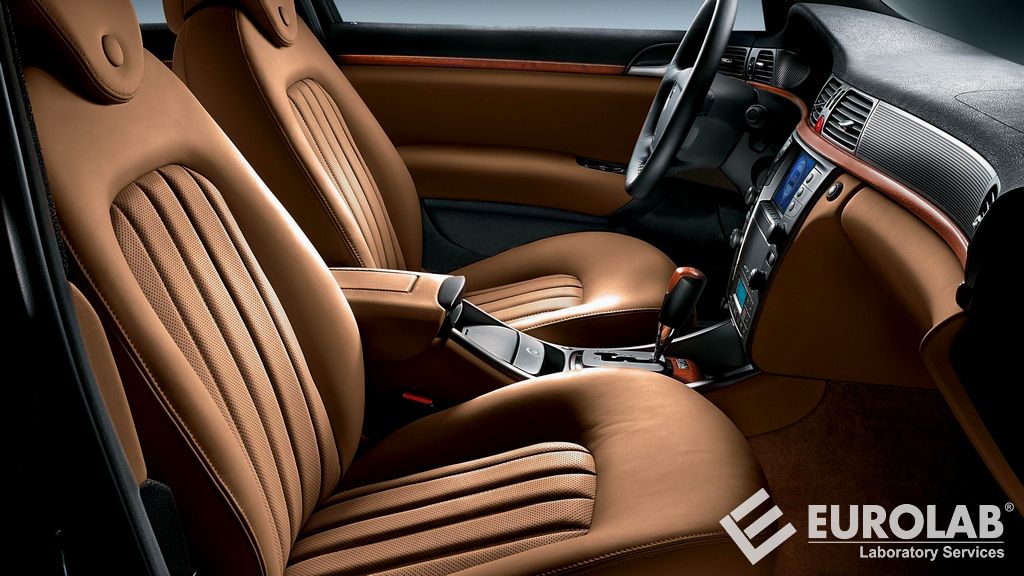
This standard covers all materials used in the passenger compartment in the form of fiber materials, coatings, adhesives, foams, compressed materials, impregnations, panels, leather, deep drawn and injection molded components, such as thermoplastics, thermoset plastics, elastomers and combinations thereof.
In addition, the following components must meet the criteria listed in this standard: seat cushions, backrests, seat belts, headliner, sunroofs, armrests, all floor panels, including door, front, rear and side panels, bulkheads, headrests, floor coverings , sun visors, curtains, sun visors, wheel hood covers, mattress covers and all other interior materials designed to absorb energy upon occupant contact in the event of a collision, including cushioning and impact-activated elements. Any material that does not adhere to other materials at each point of contact must meet the requirements when tested separately. Any material that adheres to other materials at each point of contact must meet the requirements when tested as composite with other materials.
Among the numerous test, measurement, analysis and evaluation studies it provides for businesses in various sectors, our organization also provides testing services for the flame retardant properties of interior flooring parts within the scope of the DBL 5307 standard, with its trained and expert staff and advanced technological equipment.
To get an appointment, to get more detailed information or to request an evaluation, you can ask us to fill in our form and reach you.

