

The “GME 60302 Test Method for Determining the Softness of Upholstery Materials” standard, developed by General Motors Europe (GME), is an engineering testing standard that specifies a method for determining the softness of automotive upholstery materials. This standard is primarily used to evaluate the tactile properties of materials used in a vehicle's interior and to ensure that components provide the desired level of comfort, quality, and customer satisfaction.
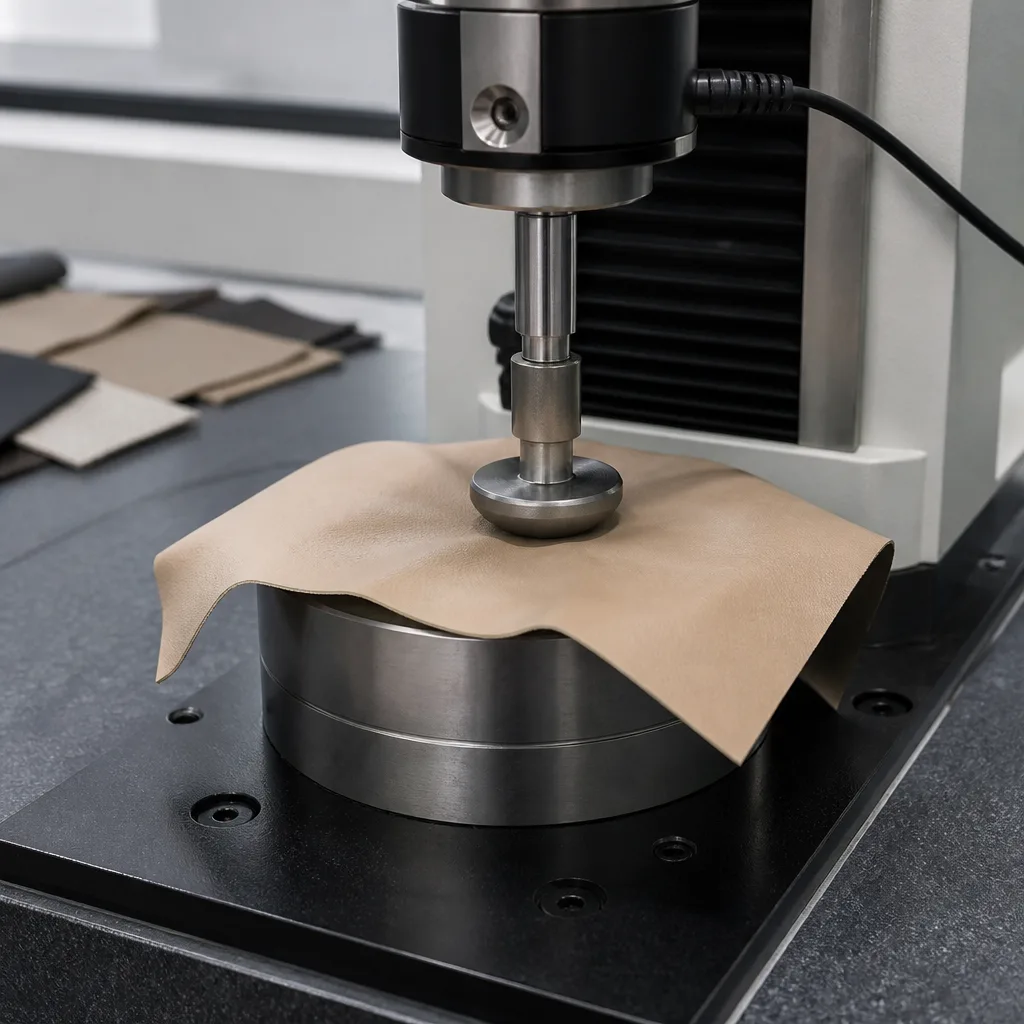
The scope of this standard is defined as a test method for determining the softness of upholstery materials, including plastic films, artificial leather, and textiles used in automotive interiors.
Modern car interiors are designed not only for durability but also for comfort and superior aesthetics. Consumers immediately notice how soft or firm a dashboard, door panel, armrest, seat cover, or center console is.
The GME 60302 standard was developed for the following purposes:
This standard establishes a repeatable laboratory procedure for assessing standard softness, rather than relying on subjective human touch.
The GME 60302 standard is widely applied to numerous automotive interior materials, including:
PVC films
These materials are commonly used in the following areas:
This standard determines a material's softness number by measuring its resistance to deformation under a controlled force. Test steps typically include:
Because the procedure is standardized, different laboratories can obtain comparable results.
Tests performed according to the GME 60302 standard generally require the following:
The equipment provides accurate and repeatable measurements.
Representative samples should include the following:
For multi-layered structures, the entire material configuration can be evaluated.
Several characteristics affect the measured softness value, including:
Proper conditioning minimizes variability caused by environmental factors.
Engineers use the GME 60302 standard in the following situations:
This method helps to provide a consistent interior feel throughout a vehicle program.
The use of the GME 60302 standard offers several advantages:
The GME 60302 standard is often used in conjunction with other General Motors material testing standards that cover additional physical characteristics, such as:
Together, these standards provide a comprehensive evaluation of automotive interior materials.
Although developed for General Motors, the GME 60302 standard test method is valuable throughout the entire automotive supply chain, including:
The tactile quality of vehicle interiors has a strong impact on customer perception. Even if two materials look visually identical, differences in softness can significantly affect the perceived quality of the vehicle. The GME 60302 standard standardizes softness measurement, enabling engineers and suppliers to:
As vehicle interiors become increasingly refined, standardized softness testing remains a vital part of automotive material development and quality assurance. This standard provides a consistent method for evaluating the tactile properties of interior materials used in vehicles, specifically addressing the determination of the “softness” of upholstery materials.
For many years, our organization, with its competent and experienced staff, has been understanding the needs of its clients, providing the advanced testing services they require, and assisting them in the establishment, implementation, and improvement of management systems. Within this framework, we also provide testing services compliant with the GME 60302 standard.
To get an appointment, to get more detailed information or to request an evaluation, you can ask us to fill in our form and reach you.

