

Developed by BMW, a multinational vehicle manufacturer, the “BMW PA-P 295 Sunscreen Compatibility Test for Painted Surfaces” standard is a specialized test standard designed to assess the compatibility of painted or coated surfaces (particularly automotive interior components) with sunscreen (sunscreen). This standard represents a crucial material and surface durability specification in the automotive industry, especially for premium vehicles where interior upholstery, painted plastics, leather, or other surfaces may frequently come into contact with personal care products carried by passengers.
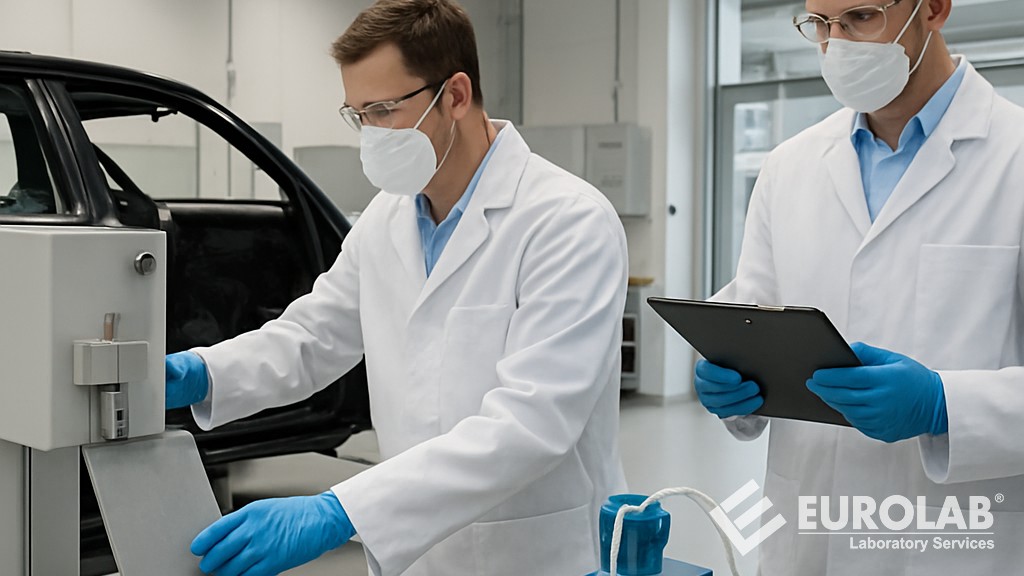
In everyday use, vehicle interiors (dashboards, door panels, center consoles, armrests) can be exposed to sunscreen lotion transferred from skin or clothing. Some lotions contain oils, emulsifiers, and active ingredients (compounds such as oxybenzone or avobenzone) that can cause:
The test method described in the BMW PA-P 295 standard simulates real-world exposure to ensure that BMW-approved materials and paint systems are resistant to these effects and maintain their appearance, feel, and functionality throughout the vehicle's lifespan. This standard specifically checks the resistance of painted surfaces (typically interior parts) to sunscreen exposure. This method is primarily applicable to interior trim parts with painted, coated, or decorated surfaces. It may also cover leather, plastics, and other materials used in vehicle interiors.
In general, this test follows these steps:
This standard is part of BMW’s broader range of paint and surface tests and includes references to the following standards:
BMW places great importance on long-term interior quality and perceived value. Failures in sunshade compatibility can lead to customer complaints, warranty claims, or lower resale value. Suppliers of interior components (e.g., plastic molders, paint applicators) must pass the BMW PA-P 295 standard to obtain approval for use in production vehicles.
Testing laboratories worldwide are accredited to perform this test. It is frequently referenced in supplier quality agreements and material approval processes.
In short, the BMW PA-P 295 standard is one of the critical chemical resistance tests that must be met. For consumers, it helps explain why BMW interiors withstand everyday substances like lotions better than some competitors. This test stems from the fact that everyday personal care products like sunscreen can cause real, visible, and often permanent damage to painted plastics, coatings, leather, and upholstery parts in vehicles.
Sunscreen is one of the most common substances to get into car interiors. Drivers and passengers apply it to their hands, arms, faces, or necks before or during driving, especially in sunny areas. Residue gets onto the steering wheel, gear lever, door panels, armrests, center consoles, instrument panel trim, and seats. Modern sunscreens contain oils, emulsifiers, chemical filters, and other active ingredients that act as solvents or plasticizers on sensitive materials. Without adequate resistance, these can lead to:
Many automotive manufacturers warn consumers that sunscreens (along with hand sanitizers and similar lotions) can react with interior materials, causing premature wear, discoloration, or cracking. Customer complaints about stubborn sunscreen stains on door panels, instrument panels, or leather are common across brands and sometimes lead to costly detailing, repairs, or warranty disputes.
Indoor durability directly affects the following:
Interior painted/coated surfaces are exposed to more chemical contact than exterior surfaces (primarily dealing with air and road contaminants). Tests show that sunscreen resistance is at least as critical indoors as UV/abrasion resistance outdoors. Suppliers must pass the BMW PA-P 295 standard, along with other chemical resistance tests, for material approval. In this way, only compliant paints, varnishes, and formulations can reach production vehicles.
In conclusion, the BMW PA-P 295 standard prevents avoidable cosmetic failures resulting from very common real-life habits, saves on repairs, and protects BMW's reputation for high-quality, durable interiors.
For many years, our organization, with its competent and experienced staff, has been understanding the needs of its clients, providing the advanced testing services they require, and assisting them in the establishment, implementation, and improvement of management systems. Within this framework, we also provide testing services in accordance with the BMW PA-P 295 standard.
To get an appointment, to get more detailed information or to request an evaluation, you can ask us to fill in our form and reach you.

