

Developed by BMW, a leading German multinational company in the automotive sector, the “BMW PR 399 Edge Thread Pull Strength” standard focuses on edge thread pull strength (edge thread unraveling strength), measuring how resistant stitched or sewn fabric edges are to pulling or tearing under tension. This standard is a specific test standard used to evaluate the quality and durability of interior textiles and materials in vehicles.
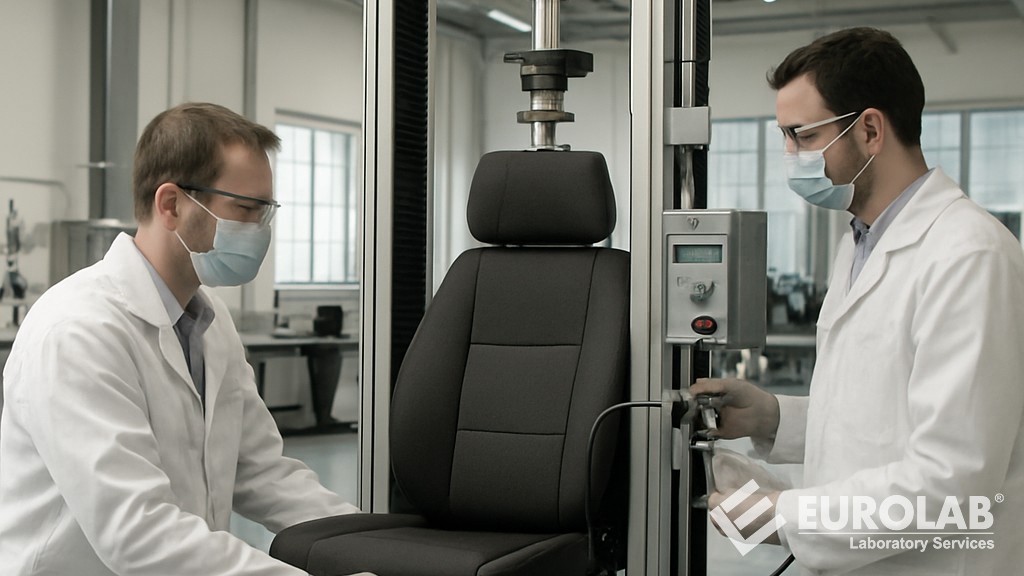
This standard is part of BMW’s broader range of interior material and component testing requirements and is often assessed alongside standards such as BMW PR 401 (felt resistance for velvet fabrics) or BMW PR 397 (decay consistency). These standards ensure that interior components such as seat upholstery, door panels, carpets, headliners, and other textile-based parts meet stringent durability, safety, and longevity criteria before being approved for production vehicles.
The BMW PR 399 standard evaluates the force required to pull threads through a seam or fabric edge. This simulates real-world wear and tear caused by passenger use, cleaning, or mechanical stress over time. This standard primarily applies to automotive textiles used in vehicle interiors. Laboratories and suppliers perform this test to verify compliance with BMW's quality standards for their supplier parts.
Interior materials in vehicles are constantly subjected to wear, UV exposure, temperature fluctuations, and mechanical loads. High tensile strength prevents premature seam deterioration, avoiding problems such as fraying, loose threads, or reduced aesthetics. This enhances BMW's reputation for high-quality workmanship and long-term durability.
Edge yarn tensile strength (edge yarn breaking strength) is a specialized mechanical property test used in the textile and automotive industries to measure how strongly yarns are held (or secured) to the cut or sewn edge of a fabric sample.
It measures the force required to pull one or more threads from the edge of a fabric sample. This simulates real-world stresses where threads can be pulled or strained in seams, hems, or cut edges, such as when passengers hold onto seat upholstery, door panels are adjusted, or fabrics are subjected to repeated friction and tension over time.
In high-resistance situations, the threads remain securely in place. This refers to seams and edges that are resistant to fraying or unraveling. In low-resistance situations, the threads break easily. This refers to loose threads, seam failure, or the potential for premature wear in vehicle interiors.
In general, this testing method follows these steps:
This method differs from standard fabric tensile strength tests (such as the ASTM D5034 gripping test or ASTM D5035 striping test) that measure the overall breaking strength of the fabric. These tests measure the overall breaking strength of the fabric itself, not specifically the edge yarn bonding.
The BMW PR 399 standard is important because it directly ensures the long-term durability, safety, and superior quality of textile-based interior components in vehicles. These elements define the vehicle's reputation for luxury and reliability.
This standard is considered important for the following reasons:
If the threads at the stitched edges are easily pulled, the seams can fray, loosen, or unravel over time. This leads to visible damage, reduced structural integrity of the upholstery, and potential safety issues (e.g., loose fabric interfering with airbags or seat mechanisms).
High durability ensures tight and clean-looking seams, preserving customer satisfaction, resale value, and brand image.
For many years, our organization, with its competent and experienced team, has been understanding the needs of its clients, providing the advanced testing services they require, and assisting them in the establishment, implementation, and improvement of management systems. Within this framework, we also provide testing services in accordance with the BMW PR 399 standard.
To get an appointment, to get more detailed information or to request an evaluation, you can ask us to fill in our form and reach you.

