

Developed by BMW, a multinational vehicle manufacturer, the “BMW AA 0257 Texture and Gloss Measurement of Painted Surfaces” standard is a specific test standard published by the BMW Group to evaluate the surface quality of painted components in automotive applications. This standard describes procedures for measuring two fundamental visual and tactile properties of painted surfaces:
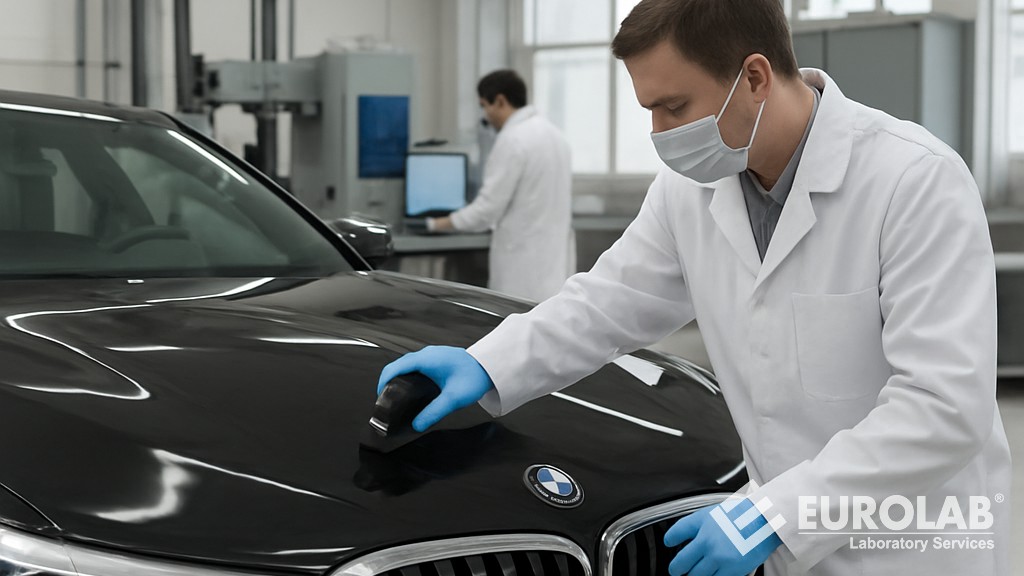
These measurements ensure that painted exterior and interior components, such as body panels, trim pieces, bumpers, or additional parts, meet BMW's stringent aesthetic and quality standards for consistency, superior appearance, and homogeneity across production batches.
This test typically involves specialized metrology equipment, including:
These parameters are crucial in the automotive industry because they directly affect perceived quality. Even small variations in gloss or surface texture can make a vehicle appear inconsistent or low-quality.
The BMW AA 0257 standard is widely referenced by independent testing laboratories and suppliers worldwide.
Suppliers must demonstrate compliance with this standard in the part approval processes to ensure that painted surfaces meet the high visual expectations of BMW vehicles. It is generally used in conjunction with related standards such as the following:
In the high-end automotive segment, surface appearance is a key differentiating factor. To help protect its brand image across global production, BMW uses the BMW AA 0257 standard, which enforces tight tolerances in paint quality. Deviations can lead to batch rejection or costly rework.
In general, BMW AA series standards are typically BMW-specific test methods or requirements for suppliers and internal quality control, and cover the following aspects:
These ensure that parts (interior and exterior trim, coatings, plastics, leather, etc.) meet BMW's expectations for superior quality, longevity, safety, and regulatory compliance in real-world conditions. The BMW AA 257 standard is a special internal testing standard developed by BMW for painted surfaces and interior materials, part of its leather range. This standard includes measurements of the structure and gloss of painted (or coated) interior parts.
Actually, the BMW AA 0257 standard is a specific BMW Group test specification, known as the BMW AA P 257 standard, that evaluates the sunscreen (sun lotion, sun protection) resistance of painted or coated interior surfaces. BMW mandates this standard because real-world customer behavior causes measurable damage to premium interiors without it:
These act as mild solvents in some paints, clear coatings, soft-touch coatings, and plastic surfaces, causing the following:
In short, the BMW AA 0257 standard is important because sunscreen is one of the most common accidental chemicals that comes into daily contact with BMW interiors, prematurely degrading many high-quality paints/coatings. (In many supplier test lists, this standard is the key specification used to specifically differentiate between interior painted parts and sunscreen.)
For many years, our organization, with its competent and experienced staff, has been understanding the needs of its clients, providing the advanced testing services they require, and assisting in the establishment, implementation, and improvement of management systems. Within this framework, we also provide testing services to businesses in accordance with the "BMW AA 0257 Measurement of structure and gloss on painted surfaces" standard.
To get an appointment, to get more detailed information or to request an evaluation, you can ask us to fill in our form and reach you.

