

Materials defined in the “Ford WSS-M8P16-B Performance, carpet, flooring and upholstery” standard, developed by Ford Motor Company (Ford), are automotive-grade carpet assemblies for floors, door panels, seat backs in open cargo bay applications, and open cargo floors, whether molded or otherwise manufactured.
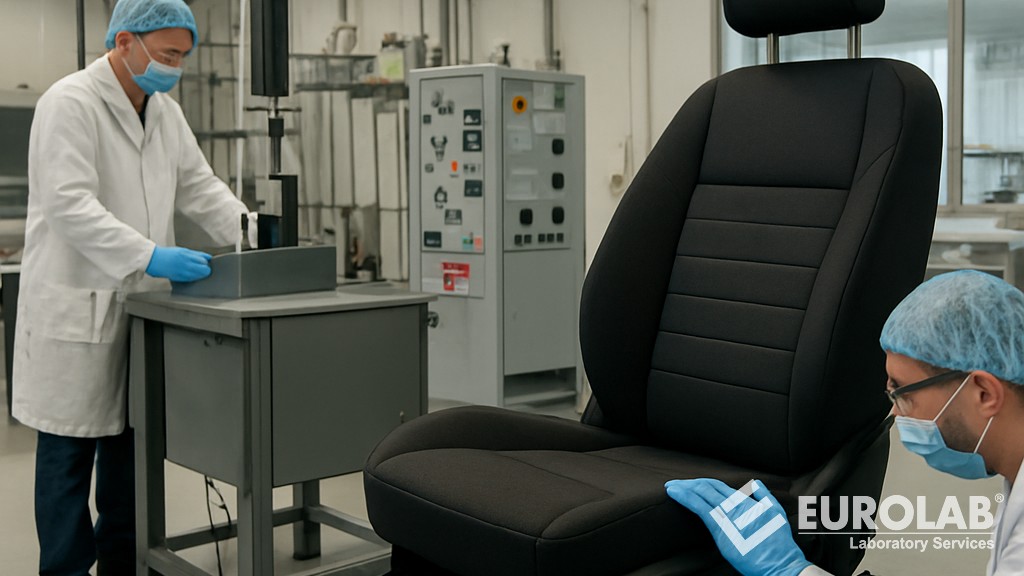
In the high-risk world of automotive manufacturing, where each component must withstand the rigors of daily use, extreme temperatures, and consumer expectations, material properties serve as the invisible guardians of quality. The Ford WSS-M8P16-B standard stands out among Ford Motor Company’s comprehensive Worldwide Engineering Standards (WSS) for its focus on carpeting—a remarkably simple yet critical element. Defining performance criteria for automotive carpet components used in upholstery and trim applications, this standard ensures that carpets in Ford vehicles not only look premium but also withstand the demands of real driving conditions.
The Ford WSS-M8P16-B standard outlines requirements for automotive-grade carpeting designed for basic interiors. These include:
These carpets, whether molded to conform to complex contours or produced and shaped flat, must meet stringent performance criteria. This standard emphasizes durability, uniformity, and integration with other vehicle systems, making it a fundamental element for interior comfort and longevity.
The Ford WSS-M8P16-B standard has been revised periodically to keep pace with advancements in materials science and environmental regulations. The current version of Ford WSS-M8P16-B, incorporating feedback from global supply chains and enhanced sustainability requirements, underscores Ford's commitment to iterative improvement.
This standard is not used alone; it should be used in conjunction with the Ford WSS-M99P1111-A standard, a broader laboratory performance and validation protocol that governs test methodologies across multiple material types. Together, these two standards provide a robust framework for quality assurance.
At first glance, carpeting might seem like an insignificant detail in vehicle design, but in an era where electric vehicles (EVs) demand quieter cabins and traditional internal combustion engine models prioritize noise, vibration, and harshness reduction, carpeting plays a crucial role. These carpets absorb sound, provide insulation against heat and cold, and offer a tactile sense of luxury. Low-performance carpets can lead to premature wear, odor retention, and even safety issues such as slipping on wet surfaces.
The Ford WSS-M8P16-B standard addresses these challenges by mandating carpets that are resistant to fading, staining, and delamination. For example, materials must withstand years of sun exposure and accelerated aging tests simulating pedestrian traffic. This is particularly important across Ford’s diverse product range, from rugged trucks where load floor carpets face dirt, spills, and heavy loads, to electric vehicles where door trim carpets provide a premium feel.
This standard details a comprehensive package of performance criteria, tailored to Ford's needs by drawing on industry standards. A breakdown of the key requirements is as follows:
These tests are typically carried out in accredited laboratories, referring to complementary specifications such as the WSS-M3H120-A standard for polypropylene velvet carpets or the WSS-M3H130-A2 standard for nylon cut pile carpets. Compliance ensures that the carpets integrate seamlessly with other interior elements, such as hard-molded coloured flooring under the WSS-M15P4-G standard.
The transition from the WSS-M8P16-A to the WSS-M8P16-B standard reflects broader trends in the automotive industry. While the initial versions focused on basic mechanical performance, the revisions also incorporate environmentally friendly requirements, such as increased use of recycled content. For example, specifications for recycled polyester nonwoven carpets are cross-referenced to promote circular economy principles.
Suppliers worldwide must certify their products to the WSS-M8P16-B standard to secure Ford contracts. This has spurred advancements in fiber technology, such as finer denier nylon for denser pile. As Ford shifts towards electrification and sustainable materials, further updates emphasizing bio-based fibers and lower carbon footprints are expected.
In short, the Ford WSS-M8P16-B standard is a testament to the meticulous engineering behind everyday driving comfort. By raising the bar in carpet performance, it helps Ford deliver vehicles that feel as good as they perform.
For many years, our organization, with its competent and experienced staff, has been understanding the needs of its customers, providing the advanced testing services they require, and assisting them in the establishment, implementation, and improvement of management systems. Within this framework, we also provide testing services to businesses in accordance with the "Ford WSS-M8P16-B Performance, carpet, floor and upholstery" standard.
To get an appointment, to get more detailed information or to request an evaluation, you can ask us to fill in our form and reach you.

