

The “BMW TL 7 376 096 Technical delivery specification for EPP molded parts and crash absorbers” standard, developed by BMW, a leading German multinational company in the automotive sector, describes the requirements for EPP molded parts (expanded polypropylene foam components), especially crash absorbers (energy-absorbing elements made of expanded polypropylene (EPP) foam, commonly used in vehicle bumpers, interior trim, or impact protection structures). This standard defines the material properties, test methods, quality criteria, and acceptance conditions that suppliers must meet when delivering such parts to BMW.
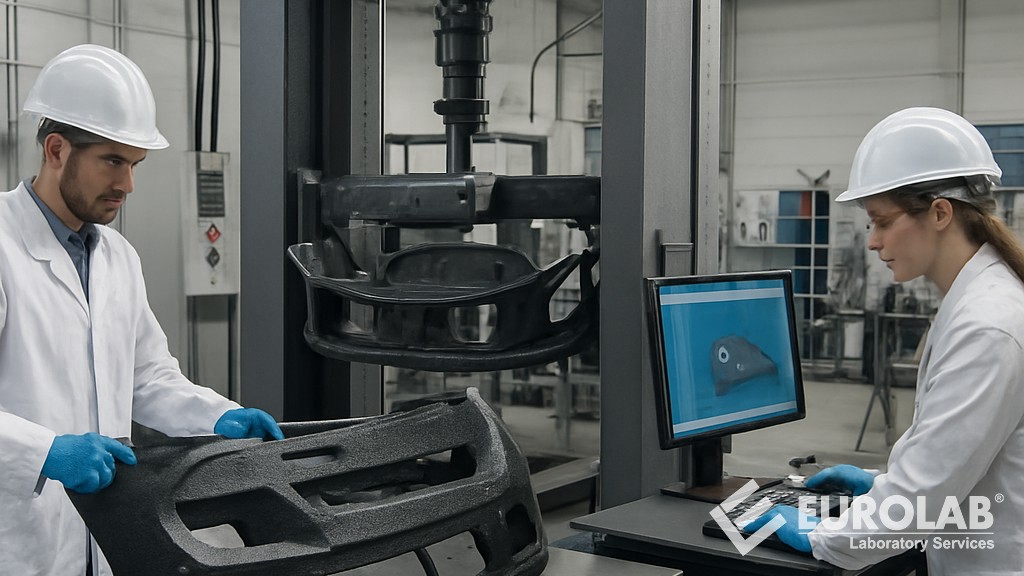
The BMW TL 7 376 096 standard is an internal technical delivery condition that defines stringent quality, material, and performance requirements for expanded polypropylene (EPP) molded components used specifically as crash absorbers (energy-absorbing foam elements) in BMW vehicles. These components play a critical role in passive safety systems. EPP crash absorbers are typically found in the following areas:
Expanded polypropylene (EPP) is preferred for these applications due to its excellent energy absorption, multi-impact capacity, low weight, and good recovery after deformation (compared to many other foams).
This standard sets out the mandatory criteria that suppliers must meet in order to obtain BMW approval and deliver series production parts. These include:
This standard is updated regularly to reflect evolving safety standards, new material developments, or manufacturing experience.
One of the most frequently cited clauses in laboratory tests and supplier quality discussions is the BMW TL 7 376 096 § 3.3.1 standard, which specifies the weld quality for EPP molded parts. This subsection defines the required weld quality between EPP weld seams or molded segments:
This subsection refers to one of the following test requirements commonly associated with EPP crash absorbers in BMW specifications:
This standard is important for the following reasons:
In BMW's technical delivery conditions (TL), the relevant sections for foams and expanded polypropylene often cover the following:
In short, the BMW TL 7 376 096 § 3.3.1 standard is important because it defines the mandatory weld quality requirement for expanded polypropylene (EPP) molded crash absorbers supplied to the BMW Group. This subsection is one of the most critical and frequently inspected parts of the entire specification, as it directly affects crash safety, structural integrity, manufacturing quality, and supplier approval.
Section “§ 3.3.1 Source Quality” is considered important for the following reasons:
Section 3.3.1 is not merely a quality detail, but a safety requirement. Poor welding undermines the entire purpose of using expanded polypropylene as a collision energy absorber in premium vehicles where passengers expect the highest level of passive safety.
For many years, our organization, with its competent and experienced staff, has been understanding the needs of its clients, providing the advanced testing services they require, and assisting them in the establishment, implementation, and improvement of management systems. Within this framework, we also provide testing services to businesses in accordance with the BMW TL 7 376 096 § 3.3.1 standard.
To get an appointment, to get more detailed information or to request an evaluation, you can ask us to fill in our form and reach you.

