

The “Volvo STD 5742-104 Phosphating Y 104” standard, developed by Volvo, covers the phosphating of iron, steel, electro-zinc coated steel plate, hot-dip galvanized steel plate, aluminum, and galvanized steel plate. It also includes the phosphating of iron and steel in conjunction with rust-preventive oil for corrosion protection, protection during break-in with lubricants, and phosphating of the flank surfaces of gear teeth. This standard is also applicable to gear parts with friction requirements.
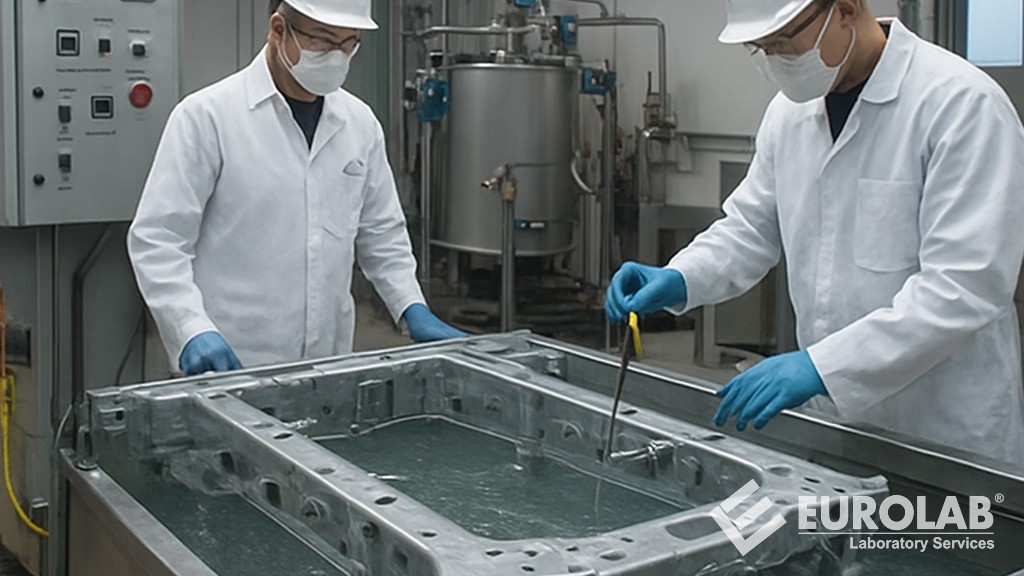
Phosphated surfaces should be matte and not polycrystalline. They must be free from uncoated areas, flaking and irregular deposits, as well as process chemical residues that could cause corrosion.
The mass of the phosphate coating must conform to the requirements specified in the table provided within the standard. Coating mass refers to the unlubricated phosphate coating and can be determined according to Volvo STD 5714-105. Where the coating mass is not specified, it should be determined according to the specified corrosion resistance requirement and, in some cases, friction.
According to Volvo STD 423-0010 standard, after testing, the coating must meet the corrosion resistance requirements specified in the table.
Y 104-2 (zinc or manganese phosphating and oil application for protection during transport and storage) must be coated with an anti-corrosion agent in accordance with Volvo STD 121-0009 standard after the phosphating process.
For Y 104-1 (zinc phosphating as a base material for paint), testing of the paint properties specified in the relevant standard is also required. An example of such a standard is Volvo STD 1281-21 Electroplating paint (EC paint).
The applications of this standard are as follows:
This standard covers brands such as Volvo trucks, Volvo construction equipment, and others – but does not apply to Volvo cars. Volvo maintains a comprehensive set of corporate standards to ensure quality, consistency, and environmental compliance across its supply chain. Among these is the Volvo STD 5742-104 standard, a technical specification dedicated to phosphating processes, focusing specifically on the Y 104 variant. This standard defines the requirements for phosphating surface treatments applied to steel components, particularly threaded fasteners and other metal parts.
Phosphating is a chemical conversion coating process that increases corrosion resistance, improves paint adhesion, and provides lubricating properties for metal surfaces. The Y 104 designation refers to a specific class or type in Volvo's phosphating system and typically involves combining manganese phosphating with lubrication.
The key features addressed in the Volvo STD 5742-104 standard are as follows:
For Volvo Group suppliers, compliance with the Volvo STD 5742-104 standard is legally binding when referenced in contracts, drawings, or purchase orders. This ensures:
In conclusion, the Volvo STD 5742-104 standard is a specific yet fundamental standard within the Volvo Group ecosystem, focusing on high-performance manganese phosphating for steel parts. It balances functional performance (corrosion protection and friction control) with environmental responsibility, a hallmark of modern automotive and heavy-duty engineering.
For many years, our organization, with its competent and experienced staff, has been understanding the needs of its customers, providing the advanced testing services they require, and assisting them in the establishment, implementation, and improvement of management systems. Within this framework, we also provide testing services in accordance with the Volvo STD 5742-104 standard.
To get an appointment, to get more detailed information or to request an evaluation, you can ask us to fill in our form and reach you.

