

The “GMW 3208 Rotary Abrasion Test - Taber Type” standard, developed by General Motors Worldwide (GMW), is a test standard used to evaluate the wear and friction resistance of automotive interior materials, utilizing the rotary Taber type abrasion test method. This method is particularly applicable to materials such as coated textiles, synthetic leather, plastics, elastomers, and films used in vehicle interiors.
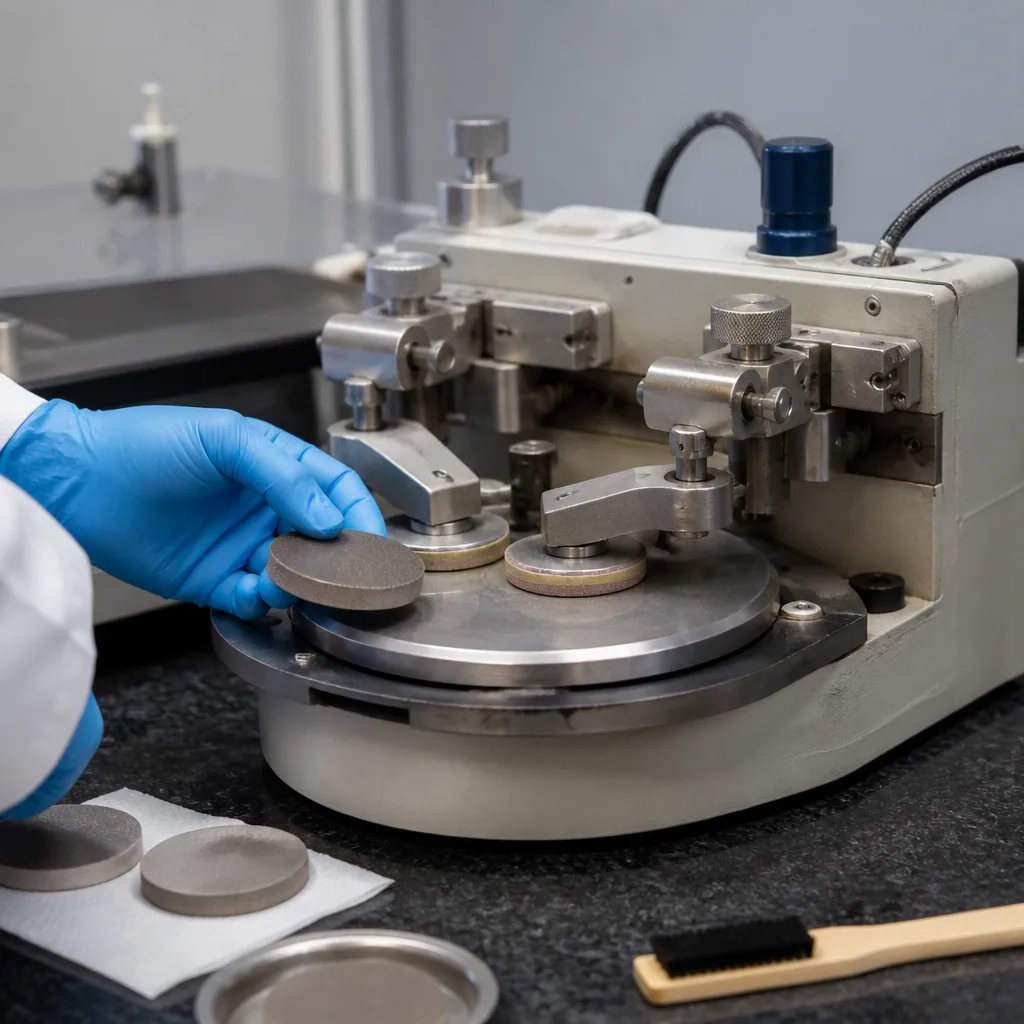
Abrasion resistance is an important property for automotive upholstery because interior surfaces may come into repeated contact with passengers, clothing, luggage, tools, and other components throughout the vehicle's lifespan.
The primary purpose of the GMW 3208 standard is to determine how well an automotive material withstands repeated mechanical friction and wear. This test can be used to assess whether the wear causes the following types of undesirable changes:
The GMW 3208 standard is commonly associated with automotive interior materials, including:
For example, advanced laboratories list the GMW 3208 standard for coated textiles, artificial leather, plastics, elastomers, and foils. This standard includes complete material specifications, sample preparation, abrasive wheels, loads, cycle counts, and evaluation criteria.
The GMW 3208 standard, in principle, uses a rotating specimen and abrasive wheels. The specimen is mounted on a rotating platform, while the abrasive wheels are brought into contact with its surface under a specific load. As the specimen rotates, the abrasive wheels create a circular wear path. Therefore, the material is subjected to controlled and repeatable mechanical wear. A simplified sequence is as follows: specimen preparation, conditioning, mounting, abrasive wheel contact, controlled rotation, a specific number of cycles, surface evaluation. This approach makes it possible to compare the wear performance of different materials under standardized laboratory conditions.
The generally described test method follows these steps:
The GMW 3208 standard primarily assesses a material's resistance to rotational wear, rather than measuring its hardness or tensile strength. The key question is essentially: how well does the material maintain the required surface condition when subjected to repeated abrasive contact? This is particularly important for coated automotive materials, as a material may retain its structural strength while its decorative or protective surface is already significantly damaged.
Automotive interior materials are constantly exposed to mechanical contact. Seat materials, door panels, instrument panel surfaces, consoles, armrests, and other components can withstand thousands of contact events over the life of a vehicle. Poor wear resistance can lead to:
In conclusion, wear testing provides manufacturers with an objective way to compare materials and verify that the selected material is suitable for the intended application.
The GMW 3208 standard belongs to a broader family of wear tests based on different test principles. For example, laboratories list this standard alongside the following standards:
Therefore, the GMW 3208 standard is primarily distinguished by its rotary Taber type wear method.
A typical test setup used in these tests includes the following:
The type of abrasive wheel and the applied load are particularly important, as they determine the severity and character of the wear.
Several factors can influence test results:
The results should not be interpreted simply as a universal ranking of materials. The acceptance criteria depend on the specific General Motors material or component requirement. For example, one application may require the surface to remain visually intact after a certain number of cycles, while another may use a different endpoint or evaluation method. Therefore, a lab report should normally state the following:
The GMW 3208 standard can support material selection and verification for applications where surface durability is important. Typical examples include:
In conclusion, the GMW 3208 standard is particularly applicable to coated textiles, synthetic leather, plastics, elastomers, and films. Automotive interior surfaces must maintain their appearance and functional surface properties despite repeated mechanical contact. This standard provides a repeatable laboratory method for evaluating surface durability and supporting material selection, development, and quality control using a controlled Taber-type etching process.
For many years, our organization, with its competent and experienced staff, has been understanding the needs of its clients, providing the advanced testing services they require, and assisting them in the establishment, implementation, and improvement of management systems. Within this framework, we also provide testing services in accordance with the GMW 3208 standard.
To get an appointment, to get more detailed information or to request an evaluation, you can ask us to fill in our form and reach you.

