

Developed by BMW, a multinational vehicle manufacturer, the “BMW AA 0334 Determination of Film Thickness on Painted Plastic Parts” standard is a proprietary internal testing specification of the BMW Group focusing on the precise measurement of dry film thickness (thickness of coating or paint layer) on painted plastic parts. This standard is part of BMW’s comprehensive “AA” series of material and component testing procedures and ensures that exterior and interior parts such as bumpers, trim pieces, mirror housings, and other plastic substrates meet the stringent quality, durability, and aesthetic requirements for mass-produced vehicles.
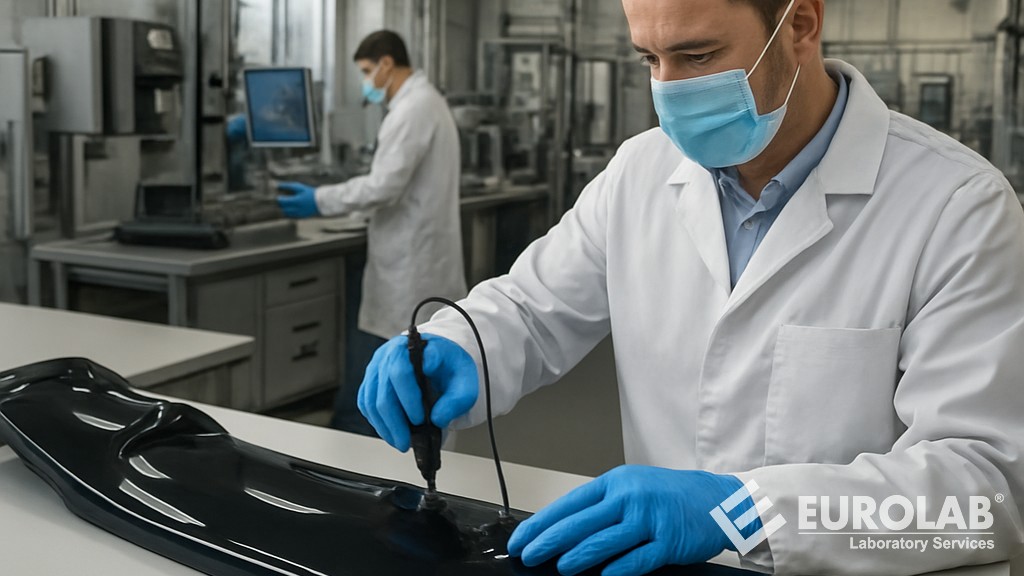
In automotive manufacturing, particularly for premium brands like BMW, controlling the paint film thickness on plastic parts is crucial. A coating that is too thin can lead to inadequate coverage, reduced UV protection, or insufficient corrosion/scratch resistance, while excessive thickness carries the risk of cracking, orange peel effect, increased weight, or adhesion failures during thermal cycling or environmental exposure. The BMW AA 0334 standard provides a standardized method for verifying compliance during supplier qualification, production audits, and quality assurance.
The materials targeted by this standard are primarily painted plastic parts (e.g., PC/ABS, PP, PA, or other thermoplastics used visibly or functionally in automotive applications). The focus of the measurement is the dry film thickness of paint layers, including primers, varnishes, or multi-coat systems, on non-metallic surfaces. This standard is required for painted exterior components (bumpers, spoilers) and interior trim where appearance, weather resistance, and longevity are important. It supports BMW's high standards for surface quality and long-term performance.
This test is usually required in conjunction with the following relevant standards:
The BMW AA 0334 standard for automotive coating thickness measurements on plastics generally follows non-destructive or minimally destructive techniques adapted for non-conductive substrates. Common approaches include:
The BMW AA 0334 standard specifies the following:
Companies supplying painted plastic parts to BMW must demonstrate compliance with the BMW AA 0334 standard through testing in accredited laboratories. Failure to meet thickness tolerances can lead to batch rejection, production delays, or warranty issues. This testing aligns with broader industry trends toward lightweighting (using plastic instead of metal) while maintaining superior surface quality. Accurate film thickness control also supports sustainability by optimizing paint usage and reducing material waste.
The main reasons why this standard is important are:
Film thickness directly affects these properties. A coating that is too thin compromises protection, leading to premature deterioration, cracking, or peeling. These problems affect aesthetics and may require repair under warranty. A coating that is too thick, on the other hand, increases the risk of cracking, solvent blistering, orange peel texture, or poor adhesion. This standard ensures precise control within BMW's specified range, achieving the intended service life.
Standardized measurement ensures consistent application quality among suppliers, reducing field failures.
In short, the BMW AA 0334 standard plays a vital role in ensuring the integrity and appearance of painted plastic components in BMW vehicles.
For many years, our organization, with its competent and experienced team, has been understanding the needs of its clients, providing the advanced testing services they require, and assisting them in the establishment, implementation, and improvement of management systems. Within this framework, we also provide testing services in accordance with the BMW AA 0334 standard.
To get an appointment, to get more detailed information or to request an evaluation, you can ask us to fill in our form and reach you.

