

The standard "BMW GS 94007 Coatings on plastic parts - Painted plastic parts - Requirements and tests," developed by BMW, a multinational vehicle manufacturer, applies to all painted plastic parts (single-coat and multi-coat paints) in the exterior, engine compartment, and interior of motor vehicles. This standard is designed to define the quality requirements and tests for coatings and surfaces.
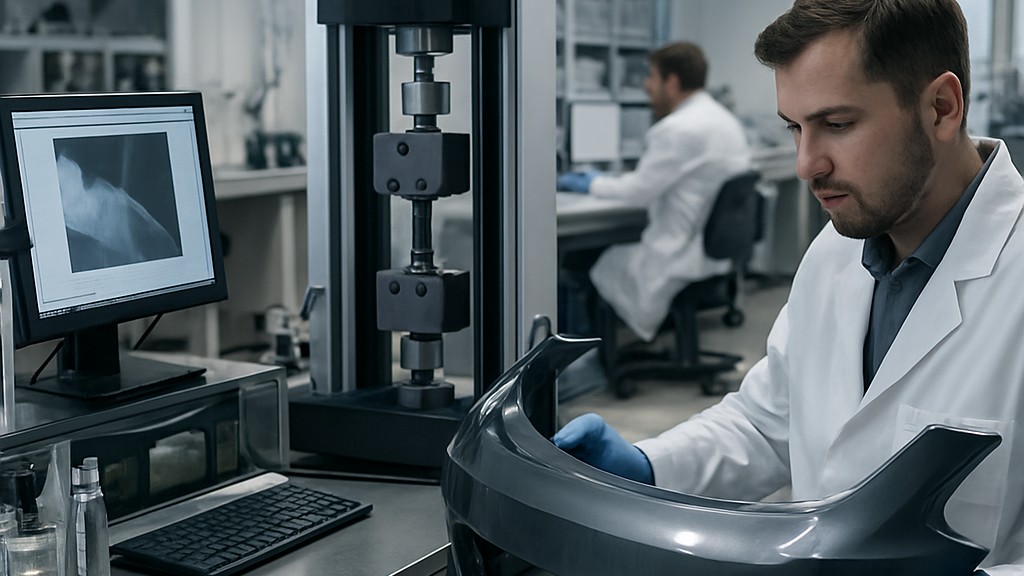
A test certificate is prepared for each component or panel series submitted for testing, entering identification data and actual test values. During initial sample inspections of painted plastic externally sourced parts, the actual values are tested by the component supplier. Approval is performed by the relevant quality control specialist.
In principle, all changes to previously approved process materials must be reported to the relevant department. Post-approval changes, such as subsupplier changes, are only permitted with a new qualification certificate. The responsible component supplier must demonstrate the subsupplier's compliance and, if an external supplier is involved, inform the quality control specialist.
The following test programs are defined in the test certificates:
In the high-stakes world of automotive manufacturing, where every detail contributes to a vehicle's performance, aesthetics, and durability, BMW sets stringent standards for suppliers to meet. One of these critical specifications is the BMW GS 94007 standard, a comprehensive guide focusing on surface testing and requirements for painted plastic parts.
The BMW GS 94007 standard outlines mandatory requirements for painted or coated plastic components used in BMW vehicles, such as dashboards, trim pieces, door handles, and interior components. This standard ensures that these parts are resistant to environmental influences, wear, and provide an excellent visual appearance. It includes detailed protocols for visual, tactile, and instrumental evaluations. Suppliers must comply with these standards to obtain BMW's "L-mark" certification for production-ready parts.
Plastic components are ubiquitous in modern vehicles and are valued for their lightweight properties that improve fuel efficiency and electric range. However, painting these parts presents challenges: adhesion failures, color inconsistencies, or surface imperfections can compromise safety (e.g., blurring of instrument clusters) or a luxurious appearance.
The BMW GS 94007 standard addresses these issues by requiring tests that simulate real-world conditions, from UV exposure to abrasion. Compliance is not mandatory for suppliers; non-compliance can lead to requalification processes under standards such as "BMW GS 90018-1 Product and process requalification." The BMW GS 94007 standard promotes sustainability as well as quality. By standardizing durable coatings, it reduces waste from rejected lots and aligns with BMW's circular economy objectives.
The BMW GS 94007 standard divides tests into categories such as visual inspection, mechanical stress and chemical resistance:
Suppliers typically work with accredited laboratories for certification.
Achieving BMW GS 94007 certification requires iterative prototyping and documentation. BMW's international purchasing conditions integrate this standard into contracts and ensure ongoing compliance with inspections. Challenges include sourcing environmentally friendly paints that pass abrasion tests without compromising recyclability.
As BMW moves rapidly toward electrification with new models, this standard continues to evolve. This standard not only protects the BMW brand but also drives innovation throughout the entire supply chain.
Our organization, with its competent and experienced team, has been understanding the needs of its customers for years, providing them with the advanced testing services they need, and assisting them in the establishment, implementation, and improvement of management systems. In this context, we also provide testing services in accordance with the "BMW GS 94007 Coatings on Plastic Parts - Painted Plastic Parts - Requirements and Testing" standard.
To get an appointment, to get more detailed information or to request an evaluation, you can ask us to fill in our form and reach you.

