Ford FLTM BI 113 Coatings' Resistance to Staining and Soiling Caused by Various Substances.
The Ford FLTM BI 113 standard series, developed by Ford Motor Company (Ford), describes test methods used to evaluate the resistance of automotive coatings, painted surfaces, plastics, textiles, and interior upholstery materials to staining and soiling caused by substances encountered during normal vehicle use. This standard series is part of Ford’s material validation program and helps ensure that vehicle surfaces maintain their appearance, durability, and customer satisfaction throughout the vehicle’s lifespan.
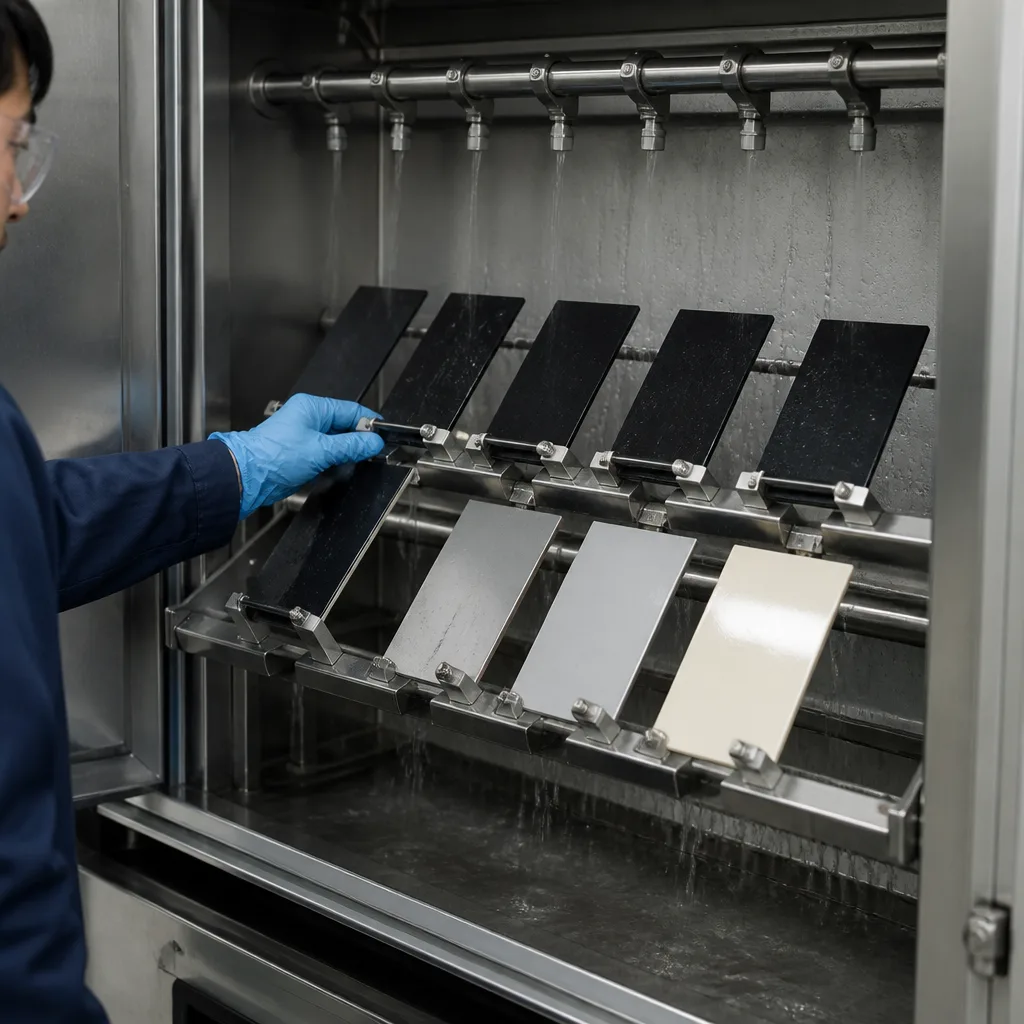
The Ford FLTM BI 113 standard series includes several individual test methods, each addressing a specific source of staining or contamination:
- FLTM BI 113-01 Water and soap stain resistance.
- FLTM BI 113-02 Acid stain resistance
- FLTM BI 113-03 Synthetic sweat stain resistance
- FLTM BI 113-05 Acid stain resistance on painted panels and finished parts.
- FLTM BI 113-06 Sweat resistance
- FLTM BI 113-07 Synthetic sweat stain resistance
- FLTM BI 113-08 Sunscreen and insect repellent resistant.
Modern automotive surfaces are routinely exposed to environmental and consumer-derived pollutants such as those listed below:
- Rainwater and lime deposits
- Car wash detergents
- Acid rain
- Human sweat
- Sun creams
- Insect repellent substances
- Cleaning chemicals
- Cosmetics
These substances can cause discoloration, loss of gloss, staining, abrasion, softening, or permanent surface damage if materials are not properly designed and verified. This series of standards evaluates a material's resistance to such degradation.
Each procedure is different, but the testing process generally follows these steps:
- Preparation of coated or treated test specimens.
- The application of a specific contaminant or staining substance.
- Samples are exposed to controlled temperature and humidity conditions.
- Allowing the pollutant to remain for the specified period.
- Cleaning the surface according to procedure.
- Assessment of visual and physical changes such as:
- Staining
- color change
- Loss of brightness
- Surface wear
- Softening
- Coating deterioration
Performance is generally evaluated using Ford's acceptance criteria and appearance ratings.
The Ford FLTM BI 113 standard series is typically used in the following areas:
- Exterior painted body panels
- Plastic trim components
- Interior decorative surfaces
- Steering wheels
- Seat upholstery
- Door panels
- consoles
- Coated metal parts
- Contact surfaces that are frequently exposed to human contact or environmental pollutants.
Substandards include the following:
- Ford FLTM BI 113-01 Water and Soap Stain Resistance: This standard defines a test method used to determine the resistance of painted surfaces of metal and plastic automotive parts to water and soap stains. This standard evaluates whether exposure to water and detergent residue will permanently damage the appearance or performance of a coating system.
Automotive painted surfaces are constantly exposed to the following:
- Rain water
- Hard water from irrigation systems
- Car wash detergents
- Soap residue
- Road jumps
- Stagnant water pools
As water evaporates, minerals such as calcium and magnesium can remain on the surface, forming stains or abrasions. Repeated exposure can cause permanent coating damage, loss of gloss, staining, or visible cosmetic defects. This standard was developed to assess a coating's resistance to these effects.
- Ford FLTM BI 113-02 Acid Stain Resistance: This standard defines a test method used to evaluate the resistance of automotive paint and coating systems to acid stains. This test determines whether acidic contaminants can cause visible or permanent damage to painted vehicle surfaces.
Vehicle exteriors are frequently exposed to acidic substances such as the following:
- Acid rain
- Industrial pollution
- Air pollutants
- Bird droppings
- Insect remains
- Tree sap decomposition products
- Environmental pollutants
These substances can attack the paint surface, causing stains, abrasions, loss of gloss, discoloration, or permanent surface defects. This standard was developed to assess a coating's ability to withstand such exposure and maintain its appearance.
This standard applies primarily in the following areas:
- Automotive exterior paint systems
- Transparent varnishes
- Primer / clear varnish coatings
- Painted metal panels
- Painted plastic components
- Vehicle parts painted for manufacturing purposes.
Ford FLTM BI 113-03 Synthetic Sweat Stain Resistance: This standard defines a test method used to determine the resistance of painted and coated automotive surfaces to staining caused by synthetic sweat (artificial sweat). This method simulates prolonged contact between vehicle surfaces and human sweat, evaluating whether staining, discoloration, loss of gloss, or other changes in appearance occur.
Many vehicle components are regularly touched by passengers and exposed to sweat from hands, arms, and clothing. Human sweat contains water, salts, amino acids, and organic compounds that can damage coatings and decorative surfaces over time. This standard was developed to assess whether materials can withstand these conditions without visible deterioration. Typical areas of exposure include:
- Steering wheels
- Interior trim panels
- Center consoles
- Door handles
- Painted interior components
- Decorative coated surfaces
- Frequently touched exterior parts such as door handles and mirror components.
This standard specifically evaluates resistance to staining from synthetic sweat, which is a laboratory simulation of real human sweat.
The method described is used for the following:
- Painted surfaces
- Coated plastic parts
- Decorative coatings
- Automotive upholstery components
- Internal touch surfaces
- Production and development material evaluations
Ford FLTM BI 113-05 Acid Stain Resistance on Painted Panels and Finished Parts: This standard defines a test method used to evaluate the resistance of painted automotive surfaces to acid stains. Unlike the Ford FLTM BI 113-02 standard, which focuses on general acid stain resistance, this standard specifically evaluates painted test panels and actual production parts, making it particularly important for verifying real vehicle components and production finishes.
Vehicle exteriors are constantly exposed to acidic pollutants, including:
- Acid rain
- Industrial fallout
- Atmospheric pollutants
- Bird droppings
- Insect remains
- Tree sap by-products
- Environmental chemical deposits
These contaminants can chemically attack paint films, leading to the following:
- Surface wear
- Reduced brightness
- Staining
- Discoloration
- Transparent coating deterioration
- Permanent cosmetic defects
This standard was developed to ensure that automotive coating systems can withstand such exposures without unacceptable damage. The test method typically applies to:
- Painted steel panels
- Painted aluminum panels
- Painted plastic components
- Exterior trim pieces
- Tampons
- Mirror housings
- Manufacturing painted vehicle parts
- Development and proficiency test panels
Ford FLTM BI 113-06 Sweat Resistance: This standard defines a test method used to determine the resistance of non-metallic automotive materials to sweat. This standard evaluates whether prolonged exposure to human sweat causes deterioration, staining, softening, blistering, peeling, or loss of adhesion to vehicle interior and exterior components.
Vehicle occupants are constantly in contact with interior surfaces through their hands, arms, and clothing. Human sweat includes:
- Salts
- Organic acids
- Metabolites
- Gender
- Alkaline and acidic compounds
Over time, these substances can damage coatings, polymers, textiles, and decorative surfaces. This standard was developed to ensure that materials maintain their appearance and performance after repeated exposure to perspiration.
This standard applies to all non-metallic materials, including:
- Interior trim components
- Soft-touch surfaces
- Steering wheels
- Armrests
- Door panels
- Painted plastic parts
- Coated fabrics
- Synthetic leather materials
- Decorative polymeric components
Ford FLTM BI 113-07 Synthetic Sweat Stain Resistance: This standard defines a test method used to evaluate the resistance of automotive surfaces to staining from artificial sweat. It measures how well coatings and materials maintain their appearance when exposed to sweat-like chemicals from human contact.
Vehicle interior and exterior contact surfaces are frequently exposed to human sweat, which contains salts, acids, amino acids, and organic compounds. Over time, this can lead to the following:
- Visible staining
- color change
- Reduced brightness
- Surface dulling
- Chemical residue on coatings
This standard simulates these conditions using a synthetic sweat solution, helping manufacturers ensure long-term appearance durability. This test is commonly applied in the following areas:
- Painted interior and exterior upholstery
- Coated plastic parts
- decorative surfaces
- Steering wheel and frequently touched parts
- Automotive leather and synthetic materials
Ford FLTM BI 113-08 Sunscreen and Insect Repellent Resistance: This standard defines a test method used to evaluate the resistance of automotive interior and exterior surfaces to contamination from sunscreens and insect repellents.
Modern vehicle surfaces, especially interior contact points, are frequently exposed to the following types of consumer products:
- Sun creams
- Insect repellents (e.g., DEET-based products)
- Body care chemicals that are transmitted through skin contact.
These substances can interact with coatings and polymers, potentially leading to the following:
- Permanent staining
- Softening or swelling of coatings
- Brightness change
- Discoloration
- Surface degradation
This standard ensures that materials maintain their appearance and durability after exposure to these chemicals. The test is typically applied to:
- Interior upholstery plastics
- Painted decorative surfaces
- Steering wheels and contact surfaces
- Coated exterior components
- Polymer-based flooring components
- Leather-like and synthetic materials
In conclusion, the Ford FLTM BI 113 standard series is a critical group of durability and appearance standards that evaluates the resistance of automotive materials and coatings to staining agents encountered in daily vehicle use. This standard series verifies resistance to water stains, acids, sweat, sunscreens, insect repellents, and other contaminants, helping Ford ensure long-term aesthetic quality, durability, and customer satisfaction for both interior and exterior vehicle components.
For many years, our organization, with its competent and experienced team, has been understanding the needs of its customers, providing the advanced testing services they require, and assisting them in the establishment, implementation, and improvement of management systems. Within this framework, we also provide testing services compliant with the Ford FL™ BI 113 standard.



