ISO 16750-3 Road Vehicles - Environmental Conditions and Testing of Electrical and Electronic Equipment - Part 3: Mechanical Loads
The standard "ISO 16750-3 Road vehicles - Environmental conditions and testing of electrical and electronic equipment - Part 3: Mechanical loads," developed by the International Organization for Standardization (ISO), specifies the requirements for vehicle electrical and electronic systems and components, including electric drive systems and components with maximum operating voltages according to voltage class B. This standard describes potential environmental stresses and includes recommended test methods and requirements for specific mounting locations on or within the vehicle. This standard describes mechanical loads. However, this standard does not apply to the environmental requirements or testing of systems and components for motorcycles and mopeds.
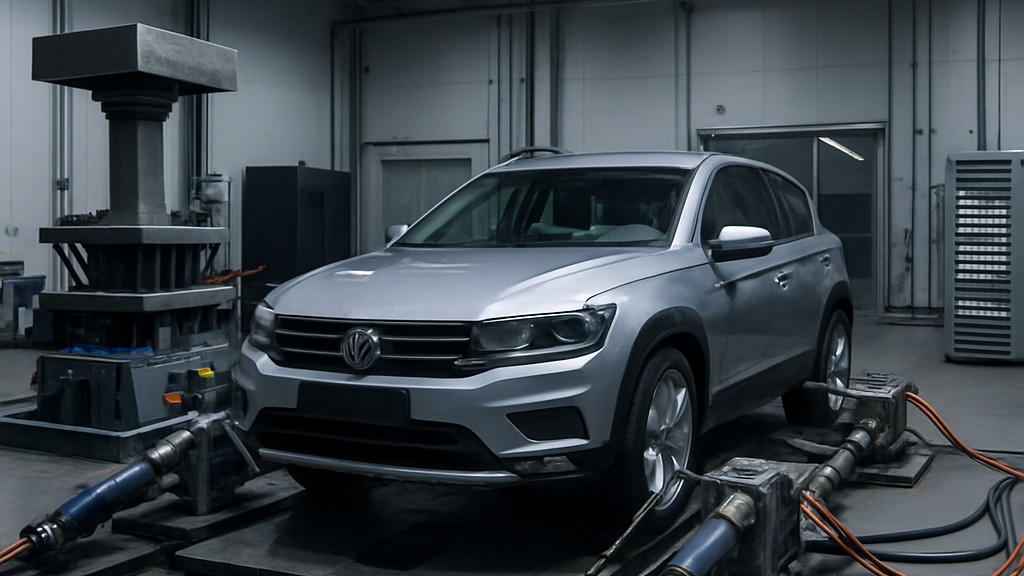
The ISO 16750-3 standard is a critical document in the automotive industry. It outlines the requirements and test procedures for electrical and electronic systems and components in road vehicles, with a particular focus on mechanical stresses. This standard ensures that these components can withstand the harsh environmental conditions encountered during vehicle operation, improving reliability and safety.
This standard applies to electrical and electronic systems and components used in road vehicles, including electric drive systems with maximum operating voltages classified as Class B voltage. It describes the potential mechanical stresses that these components may experience depending on their mounting location in or on the vehicle. However, this standard explicitly excludes systems and components for motorcycles and mopeds.
This standard addresses mechanical loads such as vibrations, shocks, and other physical stresses that can affect the performance or durability of electrical and electronic equipment. It provides a framework for manufacturers to design and test components to ensure they meet the stringent requirements of automotive environments.
The main features of the ISO 16750-3 standard are:
- Environmental stresses: This standard defines the various mechanical loads that components may experience. These include:
- Vibration: Continuous or intermittent vibrations caused by engine operation, road conditions or vehicle dynamics.
- Shock: Sudden impacts from events such as potholes or collisions.
- Other mechanical strains: These may include strains resulting from assembly, thermal expansion, or component interactions.
These strains are tailored to the specific installation location (e.g. engine compartment, chassis or passenger compartment) to reflect real-world conditions.
- Testing and requirements: This standard specifies detailed test methods for simulating mechanical loads. These tests ensure that components can withstand the stresses they will encounter during their operational life. This standard provides recommended requirements for passing these tests and ensuring that components maintain their functionality under specified conditions.
- Functional status: As defined in ISO 16750-1, this standard requires components to maintain a functional status of Class A (fully functional) in normal operating mode and Class C (limited functionality) in other modes. This ensures that components perform reliably under typical driving conditions while allowing for performance degradation in non-critical scenarios.
In the latest update of this standard, requirements have been harmonized and differences introduced to better meet modern vehicle designs and components.
The ISO 16750-3 standard is part of the broader ISO 16750 series, which covers a variety of environmental conditions such as temperature, humidity, and electrical stresses. It is vital in the automotive industry for:
- Ensuring durability: By specifying stringent mechanical load tests, components are ensured to withstand the vibrations and impacts typical of automotive environments.
- Improving safety: Reliable electrical and electronic systems are critical for vehicle safety, especially with advanced driver assistance systems and electric vehicles.
- Standardization of testing: Provides a globally recognized framework that enables manufacturers to design and test components consistently, reducing variability and improving quality.
- Supporting innovation: Updates to the standard ensure compatibility with new technologies, reflecting the increasing complexity of modern vehicles, including electric and hybrid systems.
The basic test methods defined in the ISO 16750-3 standard are:
- Vibration testing: The purpose of this test is to evaluate the component's ability to withstand continuous or intermittent vibrations caused by engine operation, road conditions, or vehicle dynamics. Test methods include:
- Random vibration: Simulates random vibrations experienced under real-world driving conditions. The standard specifies frequency ranges, acceleration levels, and test durations depending on the component's mounting position (e.g., sprung or unsprung masses).
- Sinusoidal vibration: Tests the component's response to sinusoidal vibrations, usually using swept sine waves over a specific frequency range.
- Test parameters: Parameters such as acceleration, frequency range, and duration are set according to the mounting position (e.g., body-mounted or engine-mounted components).
During tests, different vibration profiles are applied depending on whether the component is mounted on the body, chassis or engine, reflecting different intensities of vibrations in these areas.
- Mechanical shock testing: The purpose of this test is to evaluate the component's resistance to sudden impacts, such as hitting potholes, speed bumps, or other sudden events. The test methods were:
- Shock testing: Involves exposing the component to controlled shocks, typically in accordance with IEC 60068-2-27. The test applies a specified number of shocks with a specified peak acceleration and duration.
- Drop test: For components that may be subjected to handling or assembly stresses, a drop test can be performed to simulate accidental drops.
Shock tests are customized to the component's location and expected impact exposure. They are more severe for components on unsprung masses (e.g., wheels or axles).
- Free-fall test: The purpose of this test is to simulate the mechanical stress of a component being dropped during transportation, assembly, or maintenance. During this test, the component is dropped from a specified height onto a hard surface, typically in accordance with IEC 60068-2-31. The number and direction of drops depend on the component's design and intended use. This test is primarily applicable to portable or detachable components.
- Mechanical load testing for specific mounting locations: The purpose of this test is to address mechanical stresses specific to the component's mounting location, such as thermal expansion, assembly forces, or interactions with adjacent components. Test methods include:
- Static load testing: Applies constant mechanical force to simulate stresses caused by assembly or vehicle weight.
- Dynamic load testing: Simulates cyclic stresses or dynamic interactions such as thermal expansion or component movement.
Tests are tailored to the specific environment (e.g. engine compartment components face higher thermal and vibration stresses than cabin components).
- Combined environmental testing: The purpose of this test is to evaluate component performance under combined mechanical and environmental stresses (e.g., vibration combined with temperature changes). While this test method focuses on mechanical loads, it may reference combined tests from other parts of the ISO 16750 series to more accurately simulate real-world conditions. This test is used when components are expected to withstand simultaneous mechanical and thermal stresses.
Consequently, the ISO 16750-3 standard plays a crucial role in ensuring the reliability and safety of electrical and electronic components in road vehicles by addressing mechanical loads. Comprehensive testing protocols and requirements help manufacturers produce robust components that can withstand the harsh conditions of vehicle use. As automotive technology advances, this standard continues to evolve, supporting the industry's drive for innovation and quality.
Our organization, which has been operating for many years and meticulously follows global developments in science and technology, employs a team of experienced professionals and a broad infrastructure to conduct testing, measurement, and analysis in a wide range of areas for businesses across all sectors. In this context, we also provide testing services in accordance with the ISO 16750-3 Road vehicles - Environmental conditions and testing of electrical and electronic equipment - Part 3: Mechanical loads standard.



