

The “BMW AA 0420 Leather Hydrolysis” standard, developed by BMW, a multinational vehicle manufacturer, describes the leather hydrolysis test method. As a premium manufacturer, BMW places very high demands on the durability and quality of all interior materials, especially leather upholstery used in seats, armrests, door panels, and steering wheels. To ensure the leather does not deteriorate, fade, or become sticky even under extreme conditions (high humidity, heat, perspiration, cleaning agents), BMW employs a comprehensive system of internal testing standards.
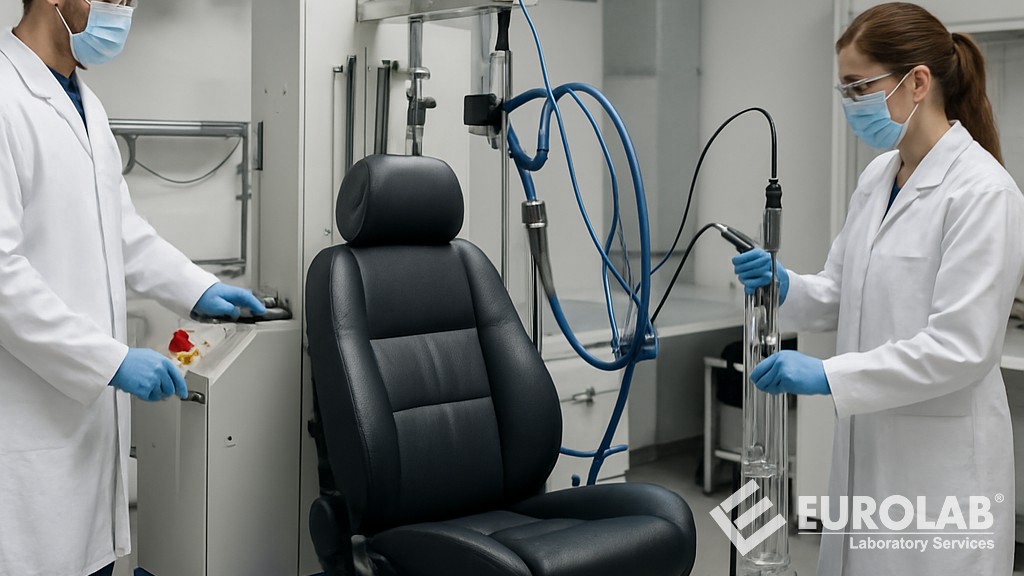
Hydrolysis is a chemical reaction in which water (usually combined with heat and acids/bases) breaks down the bonds in the leather (especially in chrome-tanned leather or coatings). Typical consequences of poor leather quality include:
These problems typically emerge after a few years, especially in vehicles with hot and humid climates or frequent exposure to sunlight. The BMW AA 0420 standard includes a material testing method used to evaluate how automotive leather will withstand real-world environmental conditions. This method is part of BMW's internal quality and durability testing for leather used in vehicle interiors. This standard measures how the leather reacts when exposed to moisture and humidity, essentially testing its hydrolysis resistance.
Hydrolysis is a chemical process in which water breaks down the molecular structure of leather, potentially leading to weakening, discoloration, stickiness, brittleness, or other premature deterioration. This is particularly important for car interiors where leather is exposed to varying temperatures, humidity, and human contact (e.g., sweat, rain, spills).
Leather used in automotive interiors must remain durable and attractive for many years of use. This standard ensures that the selected leather can withstand conditions that accelerate aging, particularly moisture-related reactions. The main objectives of this standard are:
Without these types of tests, the leather could deteriorate unevenly or prematurely, potentially damaging BMW's reputation for interior quality.
Hydrolysis tests typically include the following:
This type of evaluation helps engineers and quality teams determine whether a leather supplier's material meets the required performance criteria for BMW vehicles.
BMW applies these tests to leather used in various interiors, including:
All these surfaces must withstand moisture, sweat, and ambient humidity while maintaining their strength, color, and texture.
In conclusion, the BMW AA 0420 standard stipulates that the leather inside the vehicle:
Ultimately, this standard is considered important for the following reasons:
The main reasons why BMW created and uses this standard are as follows:
This standard simulates these effects in a laboratory, accelerated in order to understand long-term durability.
For many years, our organization, with its competent and experienced team, has been understanding the needs of its clients, providing the advanced testing services they require, and assisting them in the establishment, implementation, and improvement of management systems. Within this framework, we also provide testing services in accordance with the BMW AA 0420 standard.
To get an appointment, to get more detailed information or to request an evaluation, you can ask us to fill in our form and reach you.

