Ford FLTM BI 168-01 Chassis and Exterior Materials Accidental Liquid Exposure Resistance
The “Ford FLTM BI 168-01 Chassis and Exterior Materials Fluid Resistance to Accidental Exposure” standard, developed by Ford Motor Company (Ford), describes a test method used to evaluate the resistance of chassis, exterior, and under-hood materials to accidental or occasional contact with automotive fluids. This standard helps determine whether a material can maintain its appearance, adhesion, and structural integrity after exposure to fluids commonly encountered during vehicle operation and maintenance.
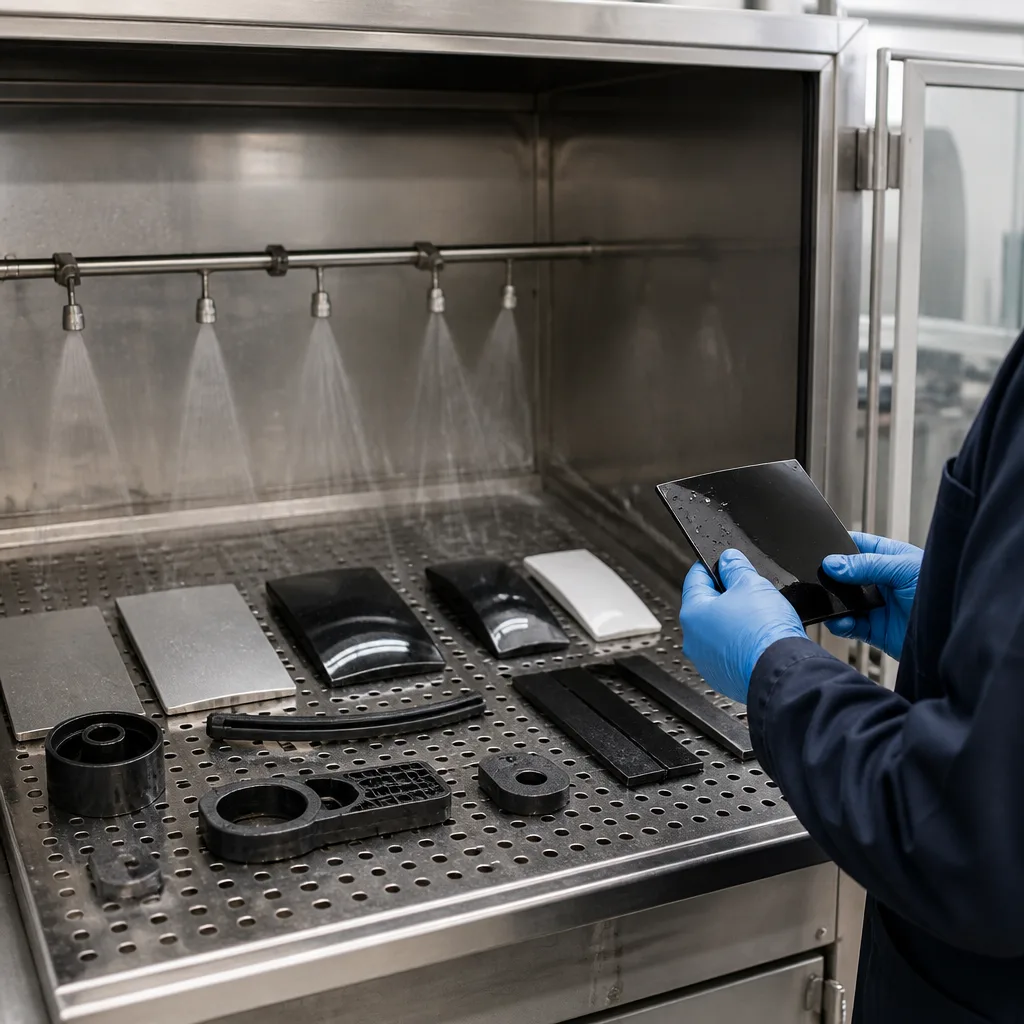
Automotive components are routinely exposed to the following substances:
- Petrol
- Diesel fuel
- Engine oil
- coolant
- Brake fluid
- Transmission fluid
- Windshield washer fluid
- Battery acid
- Cleaning chemicals
- Water and salt solutions
The Ford FLTM BI 168-01 standard evaluates how these fluids affect painted surfaces, plastics, elastomers, and coated components under short-term, accidental, rather than continuous, exposure.
The described test method is applicable to the following:
- Painted steel components
- Painted plastic parts
- Molded colored plastic parts
- Natural colored plastic parts
- Elastomeric materials
- Exterior trim components
- Chassis components
- Under-the-hood materials
This testing method simulates real-world liquid spills or splashes on vehicle surfaces. Samples are conditioned under the following conditions:
- Temperature 23 degrees plus/minus 2 degrees
- 50 percent plus/minus 5 percent relative humidity
- At least 24 hours before the test
The testing process generally follows these steps:
- The sample is heated in a convection oven at 50 degrees plus/minus 2 degrees for at least 30 minutes.
- Approximately 5 mL of test liquid is applied to the heated surface.
- The sample is stored for 24 hours.
- The liquid application cycle is repeated two more times in the same location.
- The final assessment is made 72 hours after the third exposure cycle.
- For some gaskets and irregularly shaped components, a short dip application method can be used instead of the drop application technique.
The evaluation is carried out using the following methods:
- Method A Coated parts and low-visibility components: The sample is examined from the following perspectives:
- Softening
- Staining
- blistering
- Loss of paint adhesion
- Exfoliation
- Break
- Cracking
- Layer separation
- Surface adhesion
Paint adhesion is also verified using Method B.
- Method B Appearance and uncoated components: In addition to the defects listed above, inspectors assess the following:
- Brightness change
- Blur
- Wrinkle
- Sparkle
- Blooming
- color change
Color variation is typically assessed using ISO color evaluation procedures.
The components may fail the test for the following reasons (typical failure modes):
- Paint blistering
- Surface discoloration
- Softening of plastics
- Loss of coating adhesion
- Chemical attack on elastomers
- Cracking or breaking
- Permanent reduction in brightness.
- Separation of multi-layered systems
The Ford FLTM BI 168-01 standard is commonly used for:
- Tampons
- Fender components
- Wheel arch covers
- Lower body protectors
- Engine covers
- External molds
- Chassis coverings
- Plastic tanks
- Gaskets and seals
The Ford FLTM BI 168-01 standard is necessary because vehicles are routinely exposed to a variety of automotive fluids that can damage paints, coatings, plastics, rubber components, and other exterior materials. Without a standardized test method, materials that appear acceptable during the development phase may exhibit premature failure in real-world service. The key reasons why this standard is considered important are:
- Prevents material degradation: Automotive fluids contain chemicals that can damage materials in various ways:
- Fuels can soften plastics and coatings.
- Brake fluids can damage paint surfaces.
- Motor oils can leave stains on surfaces.
- Coolants can affect color and gloss.
- Cleaning chemicals can cause discoloration or cracking.
This standard helps identify these weaknesses before materials are approved for production.
- It ensures a long-term appearance: Customers expect vehicle surfaces to retain their original appearance for the life of the vehicle. Liquid contact can cause:
- Staining
- Loss of brightness
- color change
- blistering
- Wrinkle
- Surface adhesion
This standard verifies that materials can withstand accidental liquid contact without unacceptable cosmetic damage.
- It maintains coating performance: Paints and protective coatings serve both aesthetic and functional purposes. Chemical attack can lead to:
- Loss of adhesion
- Peeling
- Exfoliation
- Layer separation
This standard helps provide continuous protection against environmental damage and corrosion by evaluating coating integrity after liquid contact.
- It improves vehicle durability: Vehicle components located in the engine compartment, chassis area, and exterior surfaces frequently come into contact with liquids in the following situations:
- Maintenance procedures
- Refueling
- Liquid leaks
- Road usage conditions
These tests ensure that these components remain functional and durable despite occasional chemical exposure.
- Reduces warranty costs: Material failures due to chemical exposure can lead to:
- Customer complaints
- Warranty repairs
- Part replacements
- Costs of repainting or coating
- By identifying sensitive materials during the development phase, Ford and its suppliers can avoid costly field failures.
- It supports material selection and supplier approval: This standard provides a consistent method for evaluating materials from different suppliers. This allows Ford engineers to:
- To objectively compare the candidate materials.
- To define minimum performance requirements.
- To characterize new materials and technologies.
- Maintaining quality consistency in global production programs.
- This section discusses modern automotive fluids: Today's vehicles use increasingly complex fluids, including:
- Ethanol blended fuels
- Biodiesel fuels
- Advanced coolants
- Synthetic lubricants
- Special cleaning products
These fluids can interact differently with vehicle materials than traditional fluids. This standard helps ensure compatibility with modern automotive chemical environments.
In conclusion, the Ford FLTM BI 168-01 standard incorporates a critical durability testing method that evaluates how automotive chassis and exterior materials react to exposure to fuels, oils, coolants, cleaners, and other automotive chemicals. This standard helps ensure that vehicle components maintain their appearance, functionality, and protective properties throughout the vehicle's service life by identifying material degradation before production.
For many years, our organization, with its competent and experienced staff, has been understanding the needs of its customers, providing the advanced testing services they require, and assisting them in the establishment, implementation, and improvement of management systems. Within this framework, we also provide testing services compliant with the Ford FLTM BI 168-01 standard.



