

Developed by the French automotive manufacturer PSA Group, now part of Stellantis, the “PSA D44 1115 Nonmetallic materials – Exposure test for determination of adhesion” standard is a material specification standard and falls under the scope of internal nonmetallic material testing protocols. This standard specifically addresses thermoplastic, thermoset, thermoplastic elastomer, and rubber materials used in vehicle components.
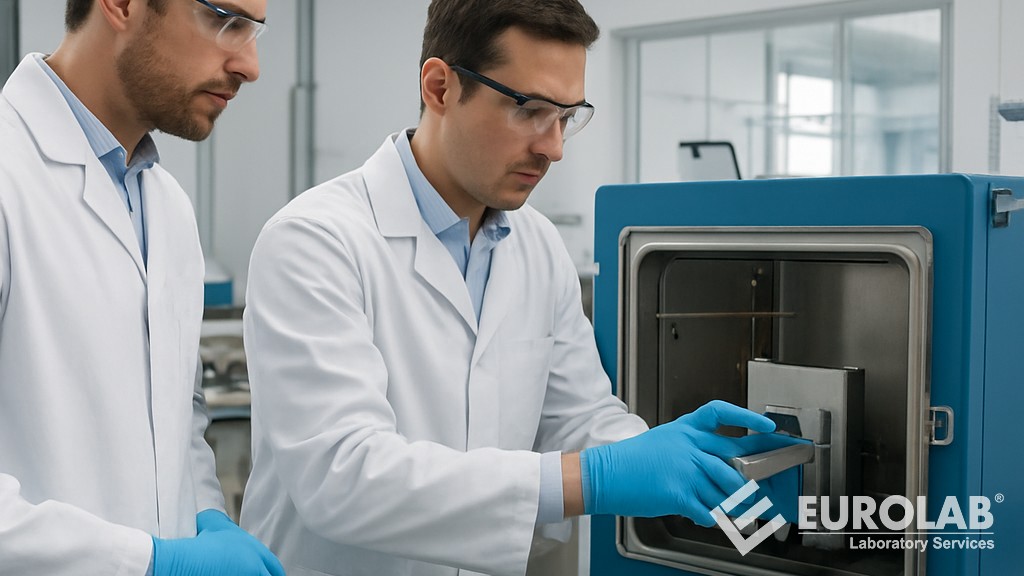
The purpose of this standard is to define a test method for evaluating the adhesion (stickiness or surface bonding feel) of polyolefin-based materials (e.g., polypropylene, polyethylene, or related compounds) after exposure to controlled environmental conditions.
This method is important for automotive interior and exterior parts where surface feel, durability, and resistance to becoming sticky over time (due to heat, humidity, UV, or chemical exposure) are critical. Stickiness can affect user experience, perceived quality, and long-term performance in vehicle upholstery, instrument panels, handles, gaskets, or other plastic/rubber components.
The procedure typically involves exposing samples to accelerated aging conditions (e.g., heat, humidity, or specific environments) and then evaluating surface adhesion sensorially or instrumentally. This helps ensure that the materials do not transform into an undesirable sticky state. This state can attract dust, give an unpleasant feel, or indicate migration of additives/plasticizers.
PSA maintains a comprehensive set of material standards to ensure suppliers meet quality and performance requirements. The PSA D44 1115 standard is included in the lists of thermoplastic/rubber classifications and exposure tests. Related standards within the same family include resistance tests (e.g., D44 1119 for soft rubber/plastic resistance).
This standard is part of the broader PSA B62-0300 series of standards relating to the classification and specification of thermoplastics, thermosets, elastomers, and rubbers.
In short, the PSA D44 1115 standard specifies a method for evaluating the adhesion of non-metallic materials, particularly polyolefin-based plastics used in automotive components. This standard applies primarily to interior and exterior plastic parts, ensuring that materials do not become undesirably adhesive when exposed to environmental influences.
The primary objectives of this standard are as follows:
This standard is particularly important for visible or tangible components such as instrument panels, trims, and gaskets.
The PSA D44 1115 standard applies to the following:
This standard is commonly used to verify the following:
The PSA D44 1115 standard defines an exposure-based assessment method. Generally, the testing process follows these steps:
According to technical references, this method is defined as an exposure test used to determine the adhesion of polyolefin parts.
Materials are generally graded according to the following criteria:
A material will fail under the following conditions:
The PSA D44 1115 standard is part of a broader set of PSA material standards that are often used together. For example,
For example:
Together, these ensure complete verification of interior materials.
In automotive design, the PSA D44 1115 standard plays a critical role in the following areas:
The materials may fail the PSA D44 1115 test for the following reasons:
In conclusion, the PSA D44 1115 standard is a fundamental automotive test. This standard focuses on the surface adhesion of polyolefin materials. By ensuring that plastic components are dry, stable, and feel pleasant to the touch, it directly contributes to:
This standard is a key part of PSA’s broader materials validation system and helps manufacturers deliver high-quality, reliable automotive interiors.
In vehicles, polyolefin parts are widely used due to their cost-effectiveness and lightweight properties. Over time, exposure to environmental influences can cause the low molecular weight components to bloom or migrate, leading to sticky surfaces. Standards such as PSA D44 1115 help manufacturers qualify materials to prevent warranty issues, customer complaints, or safety concerns (e.g., slippery controls).
For many years, our organization, with its competent and experienced team, has been understanding the needs of its clients, providing the advanced testing services they require, and assisting them in the establishment, implementation, and improvement of management systems. Within this framework, we also provide testing services compliant with the PSA D44 1115 standard.
To get an appointment, to get more detailed information or to request an evaluation, you can ask us to fill in our form and reach you.

