

A European standard, “EN 589 Automotive fuels - LPG - Requirements and test methods”, describes the requirements and test methods for marketed and delivered automotive LPG (liquefied petroleum gas).
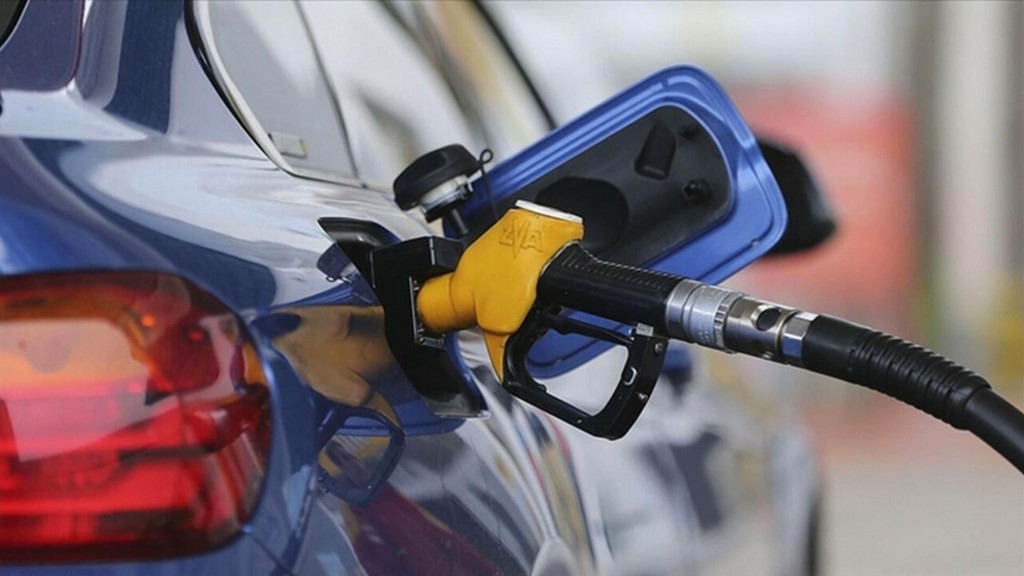
LPG is defined as a low-pressure liquefied gas composed of one or more light hydrocarbons, mainly propane, propene, butane, butane isomers, butenes with traces of other hydrocarbon gases.
The standard in question is applicable to automotive LPG used in LPG engine vehicles designed to operate with automotive LPG.
Attention is drawn to the risk of fire and explosion when working with LPG and the health hazards that arise from inhaling excessive amounts of LPG.
LPG is a highly volatile hydrocarbon liquid normally stored under pressure. If the pressure is released, large volumes of gas are produced that form flammable mixtures with air in the range of approximately 2 percent (V/V) to 10 percent (V/V).
This European standard covers the sampling, handling and testing of LPG. Naked flames, unprotected electrical equipment, electrostatic hazards and similar hazards are ignition sources for LPG. In addition, LPG in liquid form can cause frostbite on the skin. LPG is heavier than air and will accumulate in cavities. There is a risk of asphyxiation if LPG is inhaled in high concentrations.
For the purposes of this standard, liquefied petroleum gas (LPG) means petroleum gas that can be stored or processed in liquid phase under moderate pressure conditions and at ambient temperature, consisting predominantly of propane and butane gases, with small proportions of propene, butenes and pentanes/pentenes.
LPG samples for testing should be taken as described in the standard “BS EN ISO 4257 Test methods for petroleum and its products – Liquefied petroleum gases – Sampling method” or in accordance with the requirements of national standards or regulations for sampling automotive LPG. National requirements should be detailed or referenced in a national annex to this standard.
In view of the sensitivity of some of the test methods referred to in this standard, particular care should be taken to comply with any guidance on sampling containers contained in this standard. It is important that the sampling procedure is followed in detail to avoid evaporation losses. Before sampling from the distributor hose, 20 l of product should be pumped or recirculated to obtain a representative sample.
The information and label dimensions to be marked on distribution pumps and nozzles used in automotive LPG distribution must comply with the “EN 16942 Fuels - Determination of vehicle compatibility - Graphical expression for consumer information” standard.
In this standard, the requirements and test methods are described as follows:
Among the numerous testing, measurement, analysis and evaluation studies that our organization has carried out for businesses in various sectors, it also provides testing services defined in the “EN 589 Automotive fuels - LPG - Requirements and test methods” standard with its trained and expert staff and advanced technological equipment.
To get an appointment, to get more detailed information or to request an evaluation, you can ask us to fill in our form and reach you.

