

The standard "FVV R607 Test method for the suitability of cooling additives for cooling media," developed by the Combustion Engine Research Association (FVV), describes a test method for assessing the suitability of cooling additives for cooling media in internal combustion engines and alternative powertrains under thermal flow dynamic conditions. This standard builds on the previous standard FVV R530 by incorporating more comprehensive simulations of real-life stress conditions.
The development of this standard required close collaboration with manufacturers and operators of combustion engines and alternative powertrains, as well as manufacturers of cooling additives, to ensure its validity and applicability within the industry.
The FVV R607 standard is important because it provides a scientifically sound and industry-relevant method for evaluating coolant additives under realistic thermal and flow conditions. Key reasons for this standard's importance include:
In short, this standard ensures engine durability, efficient coolant development, and consistent testing practices—all vital for modern vehicle performance and longevity.
The FVV R607 test checks whether a coolant (the fluid used to prevent engines from overheating) is safe for engine components. By simulating how coolant moves through an engine—fast, hot, and with a lot of turbulence—it sees if it causes erosion, particularly on metals like aluminum or cast iron. If a coolant passes this test, it's less likely to damage the engine over time. This makes it safe for use in real cars, trucks, or even alternative powertrains (like hybrids or electric vehicles with cooling needs).
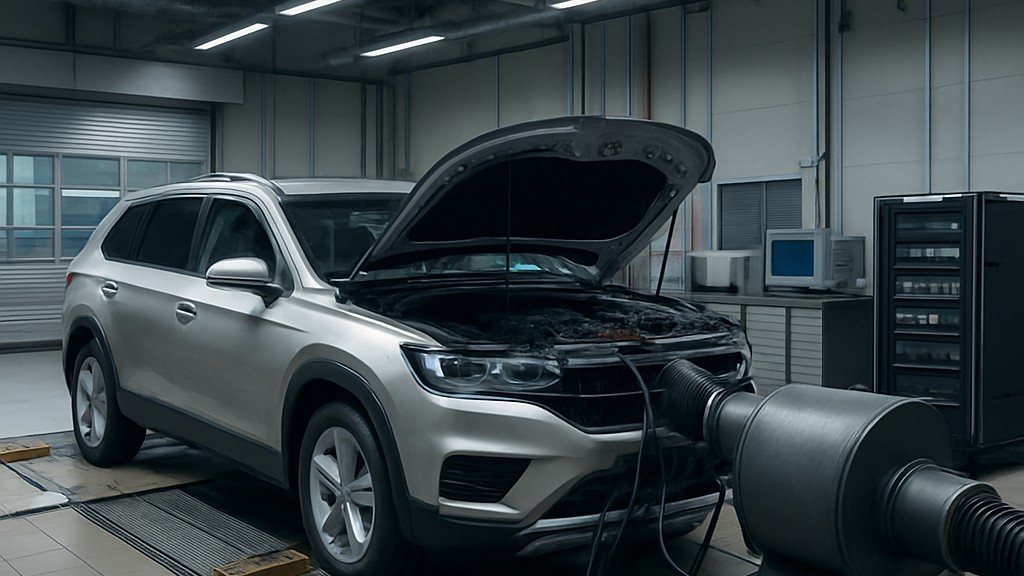
In the tests, a circulation system is used to pump coolant through a test loop. This loop contains metal test specimens (erosion targets), a pump, heater, flow control system, and sensors to monitor temperature, flow rate, and pressure. This system simulates realistic engine conditions, including:
The test typically lasts several hundred hours, long enough to produce measurable wear. After the test, the mass loss of the metal samples is measured (using precision weighing) to determine wear. Surface analysis (microscopy, profilometry) can be used to check for pitting or surface wear. The coolant composition is also analyzed to ensure it remains stable and does not degrade.
A coolant is considered acceptable if:
If such tests are not performed, a bad coolant can gradually corrode the engine block, clog passages with metal debris, or cause overheating or leaks.
Results from FVV R607 testing better represent what happens inside a real engine, unlike simplified laboratory tests that may miss key effects such as turbulence and thermal cycling.
Our organization, which has been supporting businesses across all sectors for years through a wide range of testing, measurement, analysis, and evaluation activities, has a strong team of employees who closely follow global developments in science and technology and are constantly improving themselves. In this context, we also provide testing services in accordance with the "FVV R607 Test Method for the Compatibility of Cooling Additives for Cooling Media" standard.
To get an appointment, to get more detailed information or to request an evaluation, you can ask us to fill in our form and reach you.

