

In the competitive automotive manufacturing world, the tactile and visual quality of interior surfaces plays a significant role in customer satisfaction and brand perception. LP.7M023 and similar standards, developed by Fiat Chrysler Automobiles (FCA), now part of Stellantis, provide manufacturers, suppliers, and quality control teams with precise methodologies to ensure consistency in surface textures.
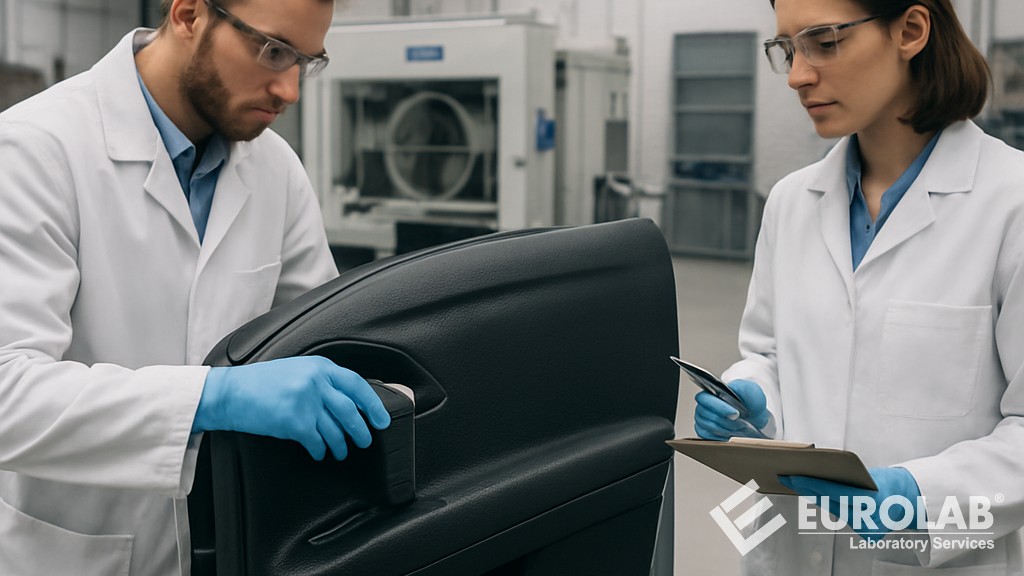
Developed by Stellantis, a multinational automotive manufacturer, the “Stellantis LP.7M023 Evaluation of Textures in Aesthetic and Tactile Surfaces” standard addresses the subjective yet critical aspects of how materials feel and look under various conditions. As vehicles evolve toward more premium and customizable interiors, adhering to the LP.7M023 standard helps mitigate issues such as inconsistent surfaces that could lead to costly recalls or reputational damage.
The purpose of this standard is to define the methodology, equipment, and process parameters required to complete the instrumental (objective) evaluation of the following:
This standard also provides a glossary of agreed-upon tissue-related processes, terminology, definitions, and units of measurement required for instrumental evaluation reporting.
If the assessment results in a nonconformity, the project's perceived quality expert is responsible for establishing acceptance criteria using different tolerances, taking into account vehicle fit/matching objectives. Acceptance of the assessment described herein is formalized using a technical approval report with the signature of the perceived quality expert.
This standard is designed for use in the supply of textured, molded, coloured or painted plastic interior, exterior trim, under-hood and functional components to Stellantis or its affiliates under purchase orders. This standard applies to new, modified or repaired (if any) components defined as specified appearance elements. This standard represents the minimum requirements for Stellantis and its suppliers.
The Stellantis LP.7M023 standard is a specific interior material performance standard. This standard includes test and evaluation methods for assessing the textural qualities of surfaces in vehicle interiors and components. It focuses on both aesthetic (visual) and tactile (touch) properties to ensure consistency in materials such as plastics, fabrics, leather, or trim used in instrument panels, seats, upholstery, and other contact points.
The primary aim of this standard is to provide guidelines for measuring and characterizing surface textures to meet quality criteria in terms of appearance, feel, and durability. This helps maintain brand consistency across Stellantis vehicle models. Texture assessment is critical in automotive design to improve user experience, reduce perceived cheapness, and align with premium expectations.
Updates to this standard include improved metrics for production consistency or compliance with changing legal regulations or customer requirements.
Test methods generally include the following:
This standard is part of Stellantis’ broader range of material specifications. It is applied during supplier qualification, part approval processes, and quality inspections. For example, it can be referenced in the evaluation of instrument panel trims or door panel inserts to prevent issues such as orange peel texture or inconsistent texture that could lead to customer complaints.
The Stellantis LP.7M023 standard aims to standardize the evaluation of texture in surfaces designed for both aesthetic and tactile interaction. Aesthetic surfaces prioritize visual appeal (such as glossy piano black accents), while tactile surfaces emphasize feel (such as grainy vinyl that mimics leather). This standard covers:
This standard does not cover structural integrity testing (this is covered by standards such as LP-463TB-3-01 for foam), but it integrates with them for holistic material approval. By offering repeatable measurements, this standard reduces subjectivity in quality control and enables global suppliers to meet FCA's stringent specifications without the need for iterative redesigns.
The Stellantis LP.7M023 standard is widely used in FCA tool programs. Suppliers use this method in the design verification and process verification phases to qualify materials. For example,
This methodology also influences competitors. The Ford WSS-M15P2 standard or the GMW 14093 standard have similar texture metrics. One study found that compliance with these standards was associated with a 15 percent reduction in warranty claims for interior defects.
In short, the Stellantis LP.7M023 standard exemplifies how a car's interior can be transformed from purely functional to a sensory experience.
For many years, our organization, with its competent and experienced staff, has been understanding the needs of its clients, providing the advanced testing services they require, and assisting in the establishment, implementation, and improvement of management systems. Within this framework, we also provide testing services to businesses in accordance with the "Stellantis LP.7M023 Evaluation of textures on aesthetic and tactile surfaces" standard.
To get an appointment, to get more detailed information or to request an evaluation, you can ask us to fill in our form and reach you.

