GME 60335 Determination of Laminated Adhesion Strength of Artificial Leather and Other Laminated Upholstery Materials
The “GME 60335 Test Method for Determining the Laminate Adhesion Strength of Artificial Leather and Other Laminated Upholstery Materials” standard, developed by General Motors Europe (GME), is a material and component specification. Like other standards in the GME 603xx series, this standard defines technical requirements, test procedures, and acceptance criteria for automotive materials/components to ensure consistent performance, durability, safety, and quality in vehicle applications.
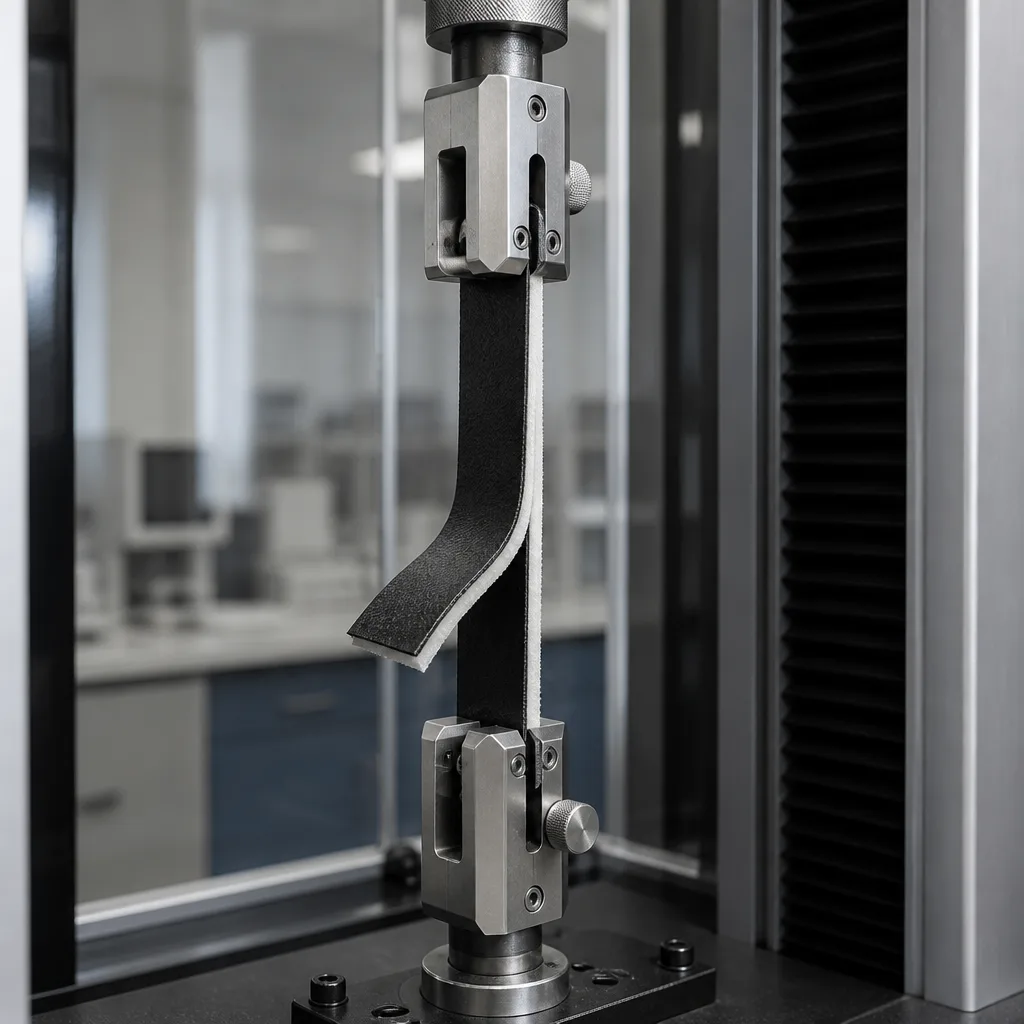
The GME 603xx family of standards is primarily associated with testing automotive interior materials, particularly polymers, textiles, coatings, foams, upholstery, and related components.
The primary purpose of the GME 60335 standard is to establish a controlled method for evaluating the performance of automotive materials before they are approved for vehicle use. This standard helps General Motors ensure that materials meet the following criteria:
- To maintain the necessary mechanical properties throughout the vehicle's lifespan.
- To show resistance to environmental influences.
- Ensuring consistent quality among suppliers.
- Meeting customer expectations in terms of appearance and durability.
- To perform reliably in automotive operating conditions.
Automotive interiors are subjected to a number of stresses, including:
- temperature changes
- Gender
- UV radiation
- Mechanical loading
- Cleaning chemicals
- Wear and tear
- Passenger contact
This standard provides a standardized approach to verifying that materials can withstand these conditions.
The GME 60335 standard is applicable to materials used in the following types of vehicle components:
- instrument panels
- Door trims
- Armrests
- Seat components
- decorative surfaces
- Textile coatings
- Plastic inner parts
- Coated surfaces
Typical material categories evaluated under GME specifications include:
- thermoplastics
- elastomers
- foams
- fabrics
- Synthetic leather
- Coatings and decorative films
GME material standards generally address the following performance areas:
- Appearance and surface quality: Evaluation may include:
- Color consistency
- Brightness level
- Surface imperfections
- Grain appearance
- Tissue preservation
This ensures that visible interior components maintain an acceptable appearance throughout the vehicle's lifespan.
- Mechanical performance: Mechanical properties may include:
- Tensile strength
- Elongation
- Tear resistance
- Compression behavior
- Flexibility
- Adhesion strength
These tests confirm that the materials do not fail during assembly or vehicle operation.
- Environmental resilience: Automotive materials must withstand harsh conditions, including:
- High and low temperatures
- Moisture exposure
- Thermal cycle
- UV aging
- heat aging
Environmental testing prevents problems such as the following:
- Cracking
- Shrinkage
- Fragility
- Color fading
- Layer separation
Chemical resistance: Indoor materials can come into contact with many chemicals. For example,
- Cleaning agents
- suntan cream
- Hand lotions
- Food scraps
- Automotive fluids
Tests ensure that exposure does not cause the following:
- Staining
- Surface degradation
- Loss of adhesion
- color change
The GME 60335 standard is important because automotive suppliers are required to offer materials that remain functionally and visually acceptable for many years. This standard ensures the following:
- Supplier quality control: Different suppliers can evaluate materials using the same criteria, reducing variation between production sources.
- Improved vehicle reliability: Tests reduce the risk of failures such as:
- Cracking on the inside
- Surface wear
- Material separation
- Premature aging
- Customer satisfaction: Internal quality greatly influences a customer's perception of vehicle quality. GME 60335 and similar standards help maintain superior appearance and durability.
- Regulatory and corporate compliance: General Motors uses engineering specifications, such as GME standards, as part of its global supplier approval and verification processes.
The GME 60335 standard belongs to a larger group of General Motors engineering standards that cover different material specifications. Other examples from the same family include:
- GME 60329 Determination of the resistance of flooring materials to fiber breakage.
- GME 60330 Determination of the color fastness of textiles and coated fabrics to friction.
- GME 60331 Test method for determining pilling resistance in flooring materials.
- GME 60334 Determination of tear strength of textiles and coated fabrics (single tear method)
- GME 60341 Test method for determining the seam strength of flooring edge materials.
These standards work together to create a complete materials qualification system.
The GME 60335 standard is considered important for the following reasons:
- Ensures consistent material quality: This standard provides standardized testing requirements that allow materials from different suppliers to be evaluated using the same criteria. This reduces variation between production batches and different production facilities.
- Enhances vehicle durability: Automotive materials are exposed to harsh conditions such as temperature variations, humidity and moisture, UV radiation and sunlight, mechanical stress, and cleaning chemicals and consumer products. This standard helps verify that materials retain their properties throughout the vehicle's lifespan.
- It supports supplier qualification and the product part approval process. Suppliers must demonstrate that their materials meet the relevant requirements during the product approval process.
- It protects the interior and exterior appearance: This standard focuses on preventing problems such as discoloration, surface deterioration, loss of texture, cracking or brittleness, and the effects of staining or soiling.
- Ensures compatibility between materials: Modern vehicles incorporate combinations of materials such as plastics, coatings, textiles, foams, adhesives, and elastomers. This standard helps ensure that these materials perform correctly when combined in vehicle components.
In conclusion, the GME 60335 standard is a crucial engineering specification designed to ensure automotive materials achieve the required levels of durability, appearance, and reliability. By defining standardized testing and acceptance criteria, this standard helps General Motors and its suppliers produce vehicle interiors and components that remain safe, attractive, and functional throughout the vehicle's lifespan.
For many years, our organization, with its competent and experienced staff, has been understanding the needs of its clients, providing the advanced testing services they require, and assisting them in the establishment, implementation, and improvement of management systems. Within this framework, we also provide testing services compliant with the GME 60335 standard.



