

Developed by Navistar (now International Motors), a manufacturer of commercial trucks, buses, and engines, as part of its corporate engineering materials specifications (CEMS), the standard, "Navistar CEMS GT-31 Accelerated Weathering of Non-Metallic Materials," describes test methods for evaluating the durability and accelerated aging of non-metallic materials (e.g., polymers, coatings, plastics, textiles, and composites) used in automotive and heavy-duty vehicle applications under environmental conditions such as ultraviolet (UV) light, heat, humidity, and atmospheric pollutants. This standard ensures that materials can withstand environmental degradation from UV exposure, humidity, and thermal cycling without significant loss of performance, appearance, or mechanical properties.
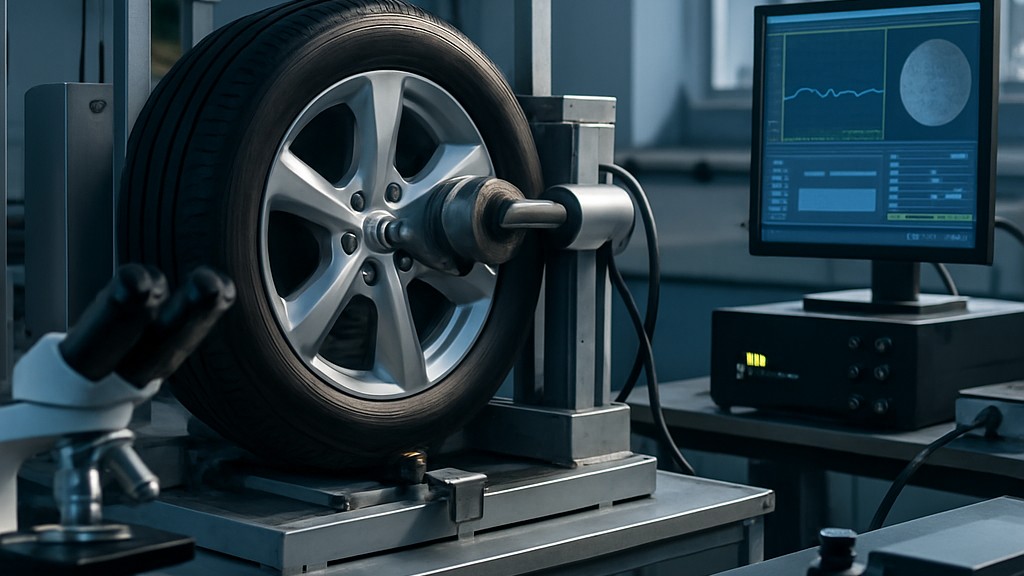
This standard evaluates the durability, performance and appearance of a material against prolonged outdoor exposure over a compressed time period, typically for applications in industries such as automotive, construction, aerospace and consumer goods.
The primary objective of this standard is to predict material durability by simulating long-term outdoor exposure in a controlled laboratory environment, accelerating the effects of sunlight, humidity, and temperature. This standard is critical for components such as interior trim, exterior panels, gaskets, and paints exposed to harsh conditions.
This standard applies to non-metallic materials. It refers to xenon arc or similar UV exposure devices to simulate natural weathering. The latest update to this standard was published under Navistar MPAPS-GT-31, a material, part, and process specification (MPAPS), and is still active.
This standard specifies accelerated weathering using equipment such as the Weather-Ometer (xenon arc lamp system) that simulates solar radiation. The key elements are:
Testing generally follows ASTM G155 Standard Practice for Operating a Xenon Arc Lamp for Exposure to Materials or ISO 4892-2 Plastics - Methods for Exposure to Laboratory Light Sources for Procedural Compliance. All materials tested must also meet MPAPS B-50 for essential properties such as flammability and chemical resistance.
The Navistar CEMS GT-31 standard is similar to SAE J1960 or ASTM D2565 for automotive plastics. Accelerated wear helps reduce real-world exposure time (e.g., 1.000 hours in the Florida sun is approximately 2-5 years).
Accelerated decomposition is carried out using special equipment that mimics natural conditions at an intensified level:
Major areas of use for this standard include:
The Navistar CEMS GT-31 standard is considered important for the following reasons:
Our organization, with its competent and experienced team, has been understanding the needs of its customers for years, providing them with the advanced testing services they need, and assisting them in the establishment, implementation, and improvement of management systems. In this context, we also provide testing services in accordance with the Navistar CEMS GT-31 Accelerated Corrosion of Non-Metallic Materials standard.
To get an appointment, to get more detailed information or to request an evaluation, you can ask us to fill in our form and reach you.

